
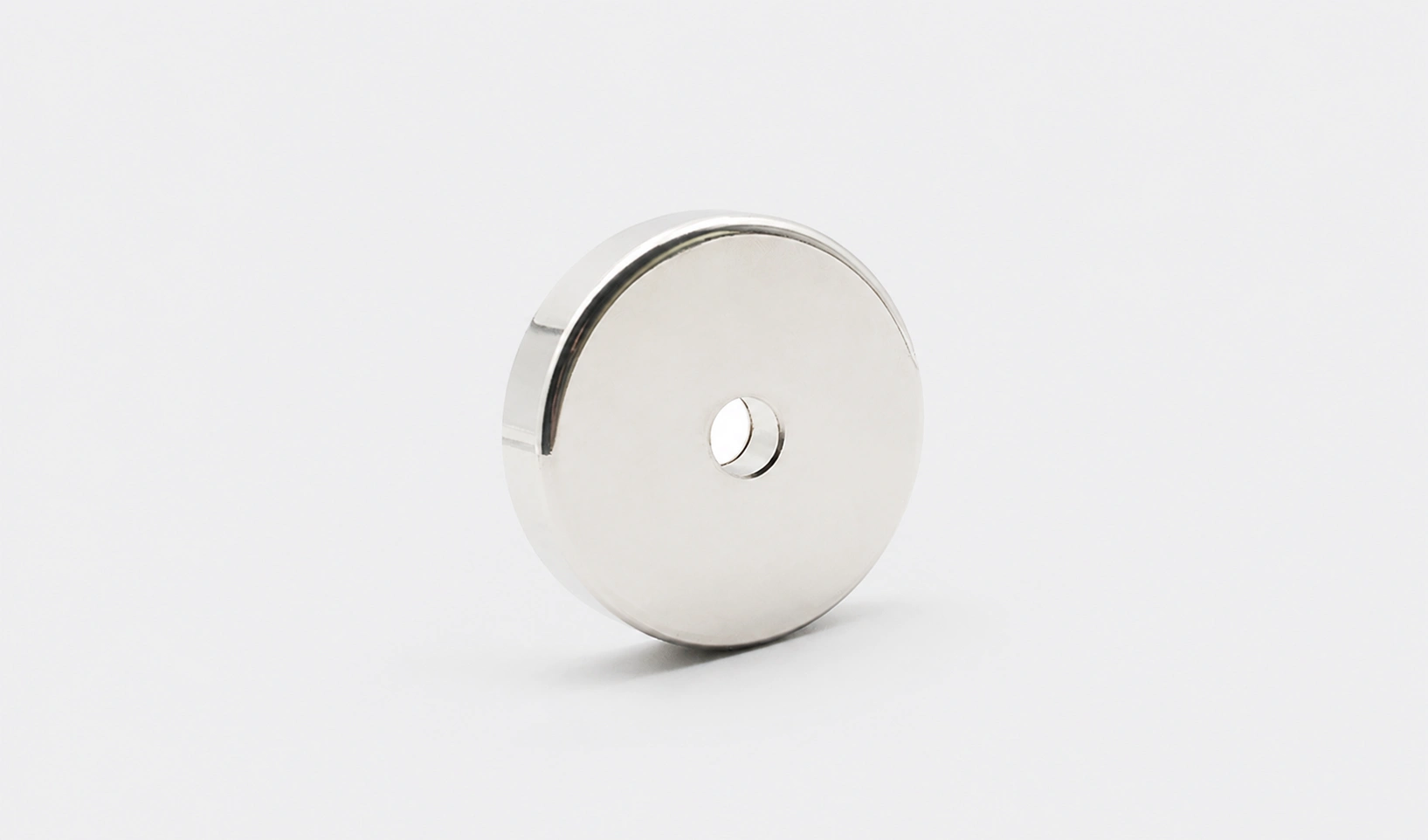
Small-Diameter NdFeB Ring Magnets
Compact sintered NdFeB ring magnets manufactured with custom OD, ID, thickness, tolerances, coating and magnetization.

GX Magnet supplies custom sintered NdFeB ring magnets manufactured to customer drawings for motors, encoders, sensors and industrial assemblies. We review the outer diameter (OD), inner diameter (ID), thickness, grade, coating, magnetization and operating conditions before quotation and sampling.
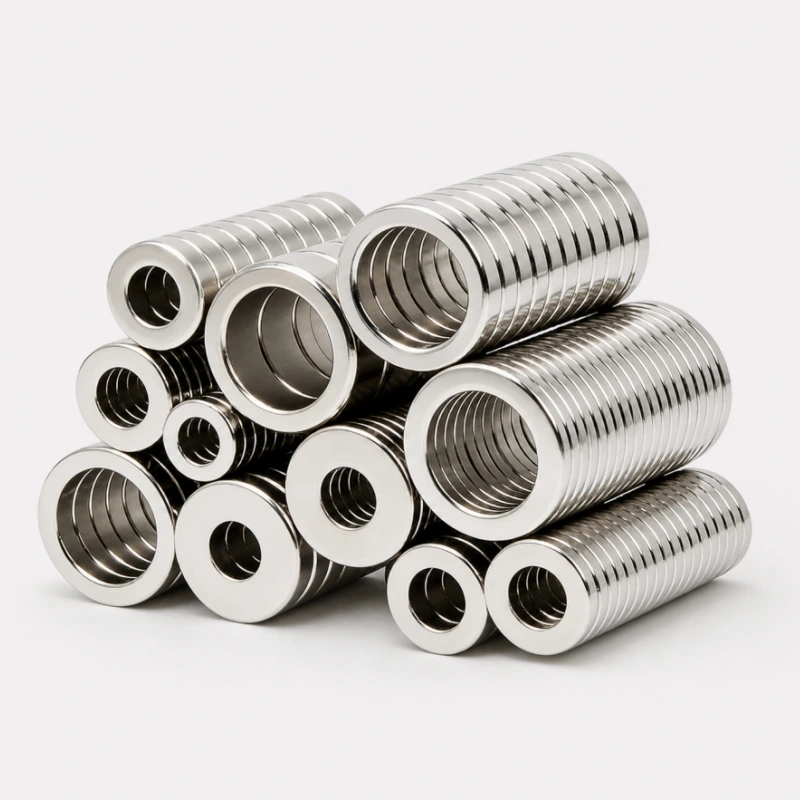
GX manufactures permanent magnets and magnetic components to customer drawings for appliance, automotive, pump and industrial motor applications.










Send the available information below for a faster, more accurate quotation. A drawing is the best starting point. If some details are still open, GX will help identify what needs to be confirmed.
Send a 2D or 3D drawing showing the OD, ID, thickness, tolerances, edge details and assembly interface.
Specify the NdFeB grade or required magnetic properties. For magnetic flux or surface flux density requirements, include the target value, measurement position and test conditions.
Provide the magnetization direction, pole count or pole pattern, operating temperature, coating, environmental conditions and assembly method.
Provide the end application, sample quantity, estimated annual volume, target delivery date and any inspection, packaging or compliance requirements.
NdFeB Ring Magnet Options Available from GX
GX supplies small-diameter, large-diameter, thin-wall, custom-bore, multipole-magnetized and coated sintered NdFeB ring magnets to customer drawings.
Compact sintered NdFeB ring magnets manufactured with custom OD, ID, thickness, tolerances, coating and magnetization.
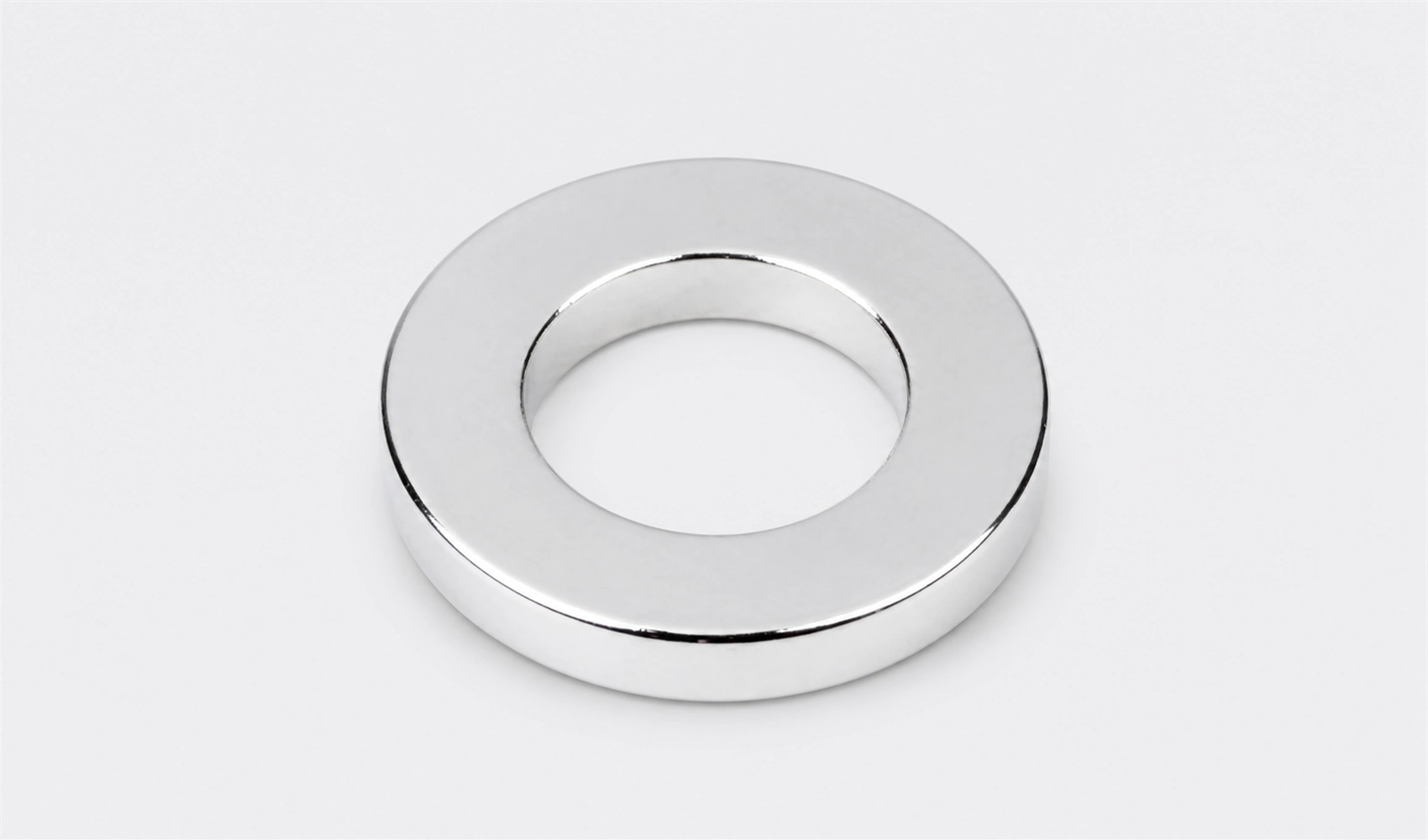
Large-diameter sintered NdFeB ring magnets manufactured to specified OD, ID, thickness, grade, coating, tolerances and magnetization.
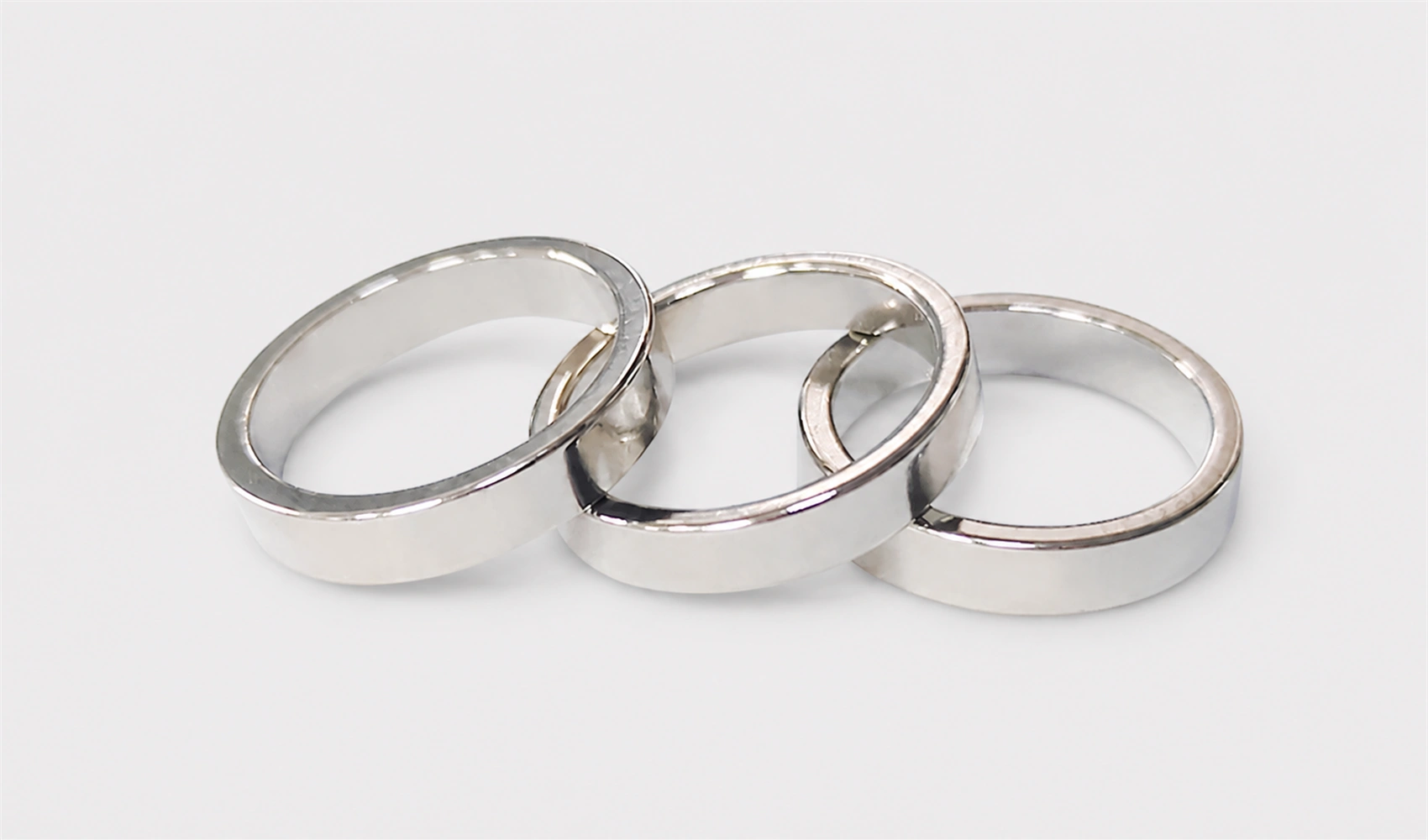
Thin-wall sintered NdFeB ring magnets for space-constrained assemblies, with wall thickness, concentricity, edge details and fit defined by the drawing.
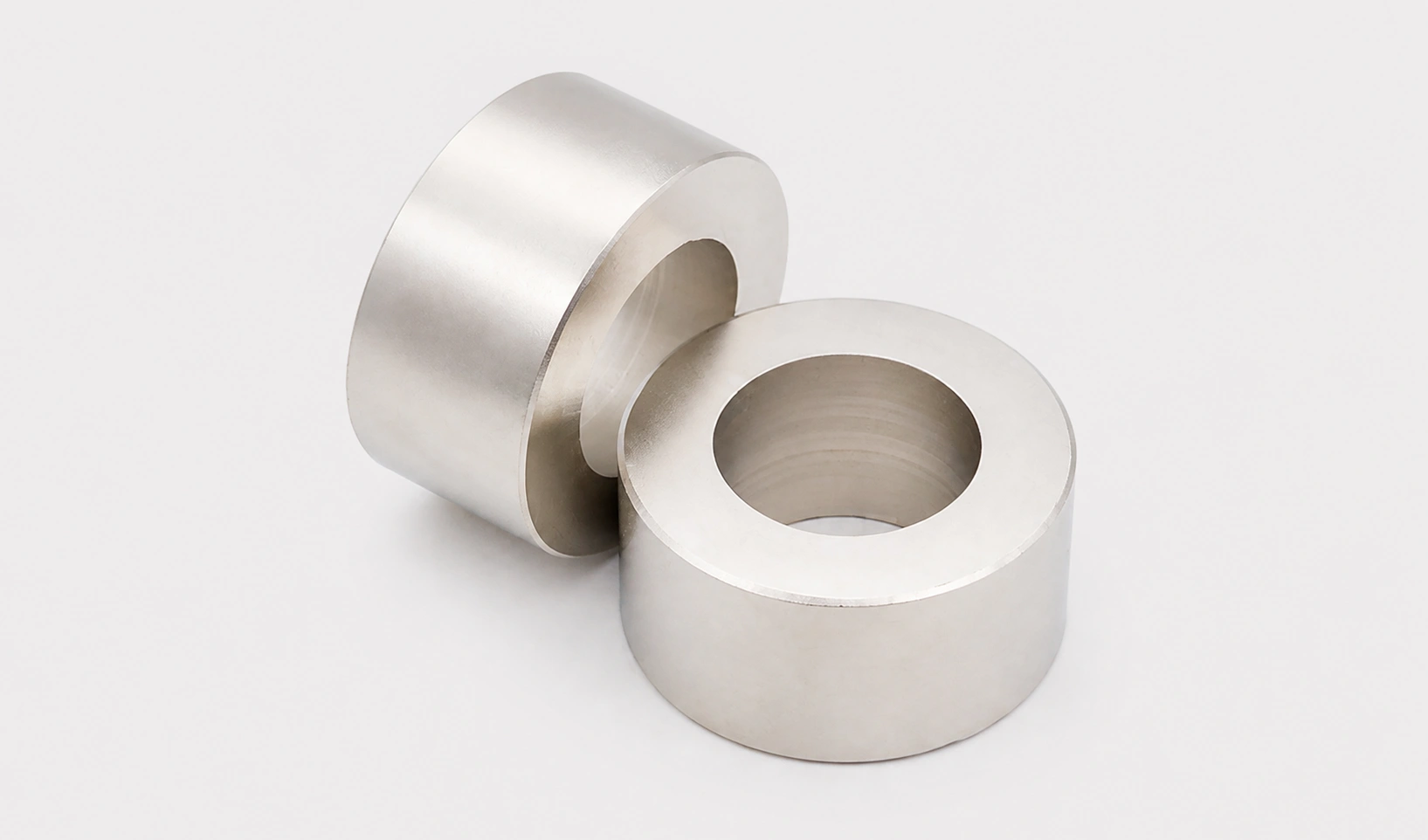
Ring magnets with enlarged or custom bores, manufactured to the specified ID, shaft interface, fit tolerances, coating and magnetization.
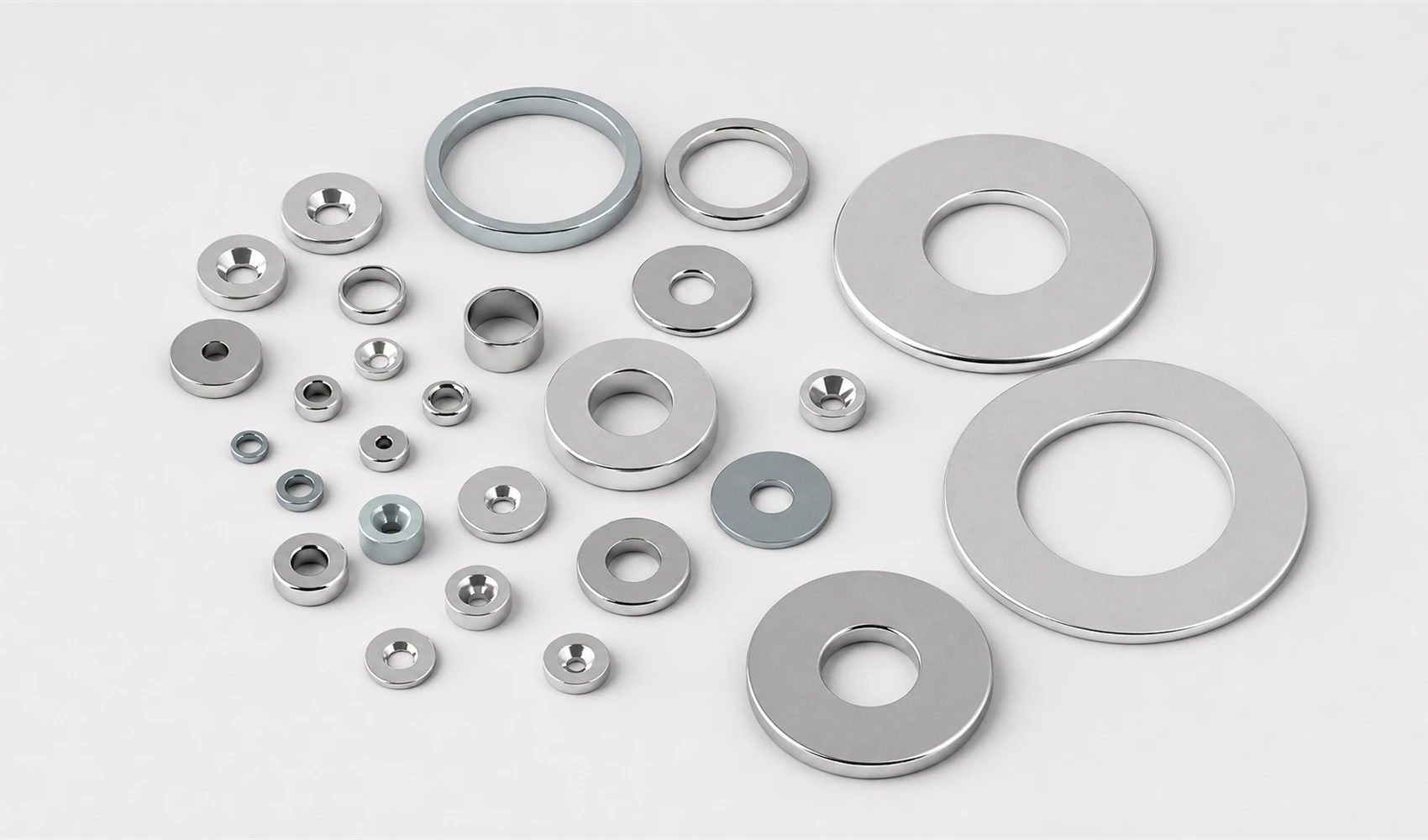
Multipole-magnetized ring magnets with project-defined pole count, pole pitch, orientation and polarity marking for rotary or sensing assemblies.
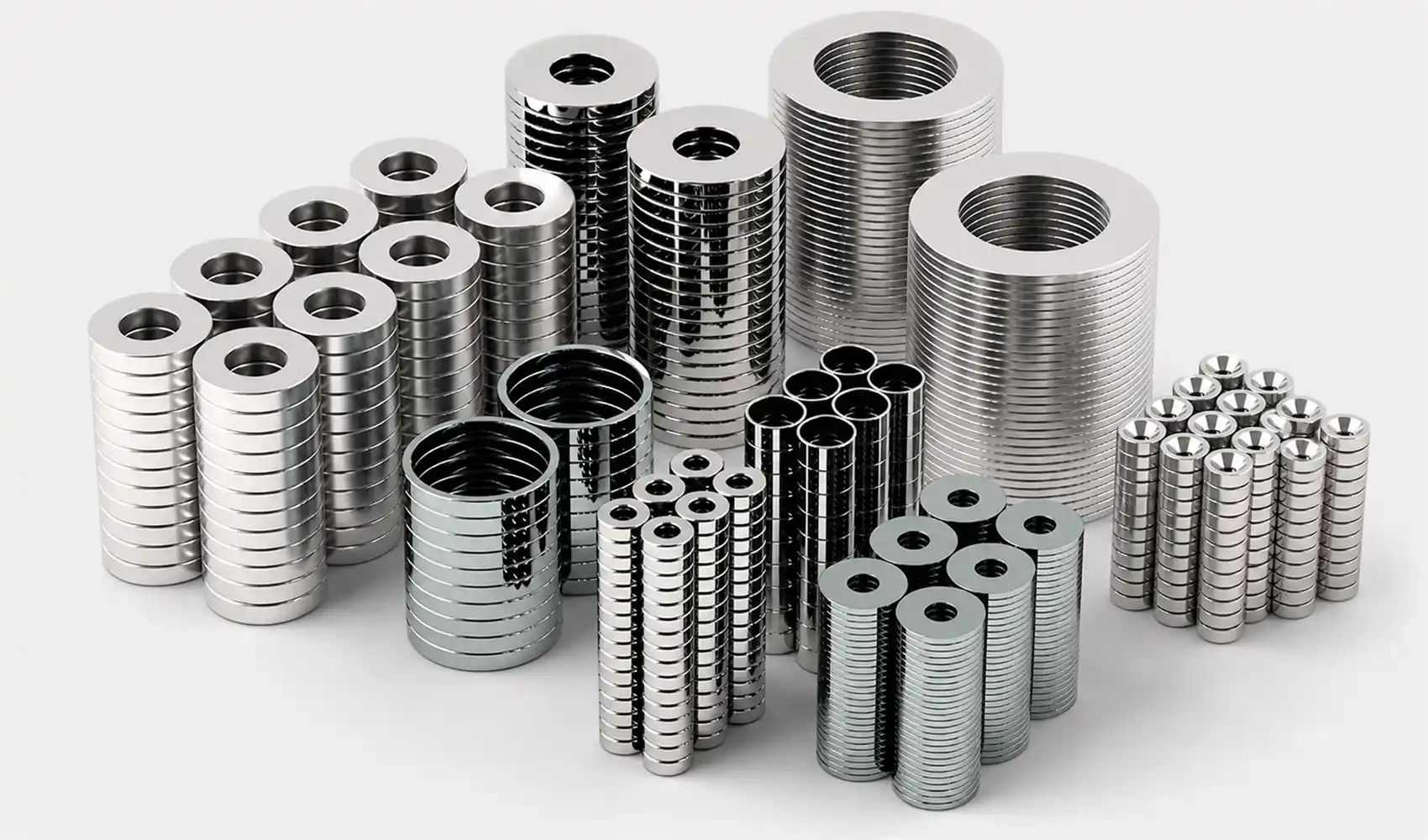
Sintered NdFeB ring magnets supplied with project-specified coatings or surface finishes based on handling, assembly and environmental requirements.
GX combines scalable manufacturing capacity, broad NdFeB grade coverage, application-specific engineering and automotive-grade quality control through its integrated manufacturing resources.
GX’s integrated manufacturing resources provide at least 3,000 metric tons of documented annual sintered NdFeB capacity, A phased expansion project is planned to reach 10,000 metric tons per year by 2028. This manufacturing network supports prototype development, production ramp-up and recurring high-volume supply for customers in more than 30 countries.
GX supports sintered NdFeB grades ranging from standard N grades to M, H, SH, UH, EH and AH/TH high-coercivity families. Grain boundary diffusion, microstructure control and heavy-rare-earth-reduction technologies help balance remanence, intrinsic coercivity and thermal stability for demanding operating conditions. Grade selection is evaluated against the magnet geometry, magnetic circuit, operating point and acceptable irreversible magnetic loss.
GX supplies blocks, discs, rings, arc segments, radially oriented rings, multipole magnets, irregular parts and magnet assemblies for automotive systems, home appliances, industrial motors, renewable energy, sensors, electronics and medical equipment. Magnetic-field simulation, tooling design, precision machining, coating selection and custom magnetization are incorporated into the engineering review, enabling an efficient response to complex geometries, demanding tolerances and application-specific magnetic criteria.
Quality systems across GX’s integrated manufacturing resources include ISO 9001 and IATF 16949. Depending on project requirements, quality planning and production controls can include APQP, PPAP, FMEA, control plans, Cpk studies, batch traceability and 100% inspection of specified characteristics. RoHS and REACH requirements are addressed through product-specific material declarations and compliance documentation.
A neodymium ring magnet, also called an NdFeB ring magnet, is a sintered rare-earth permanent magnet with a central bore. Its geometry is defined by the outer diameter (OD), inner diameter (ID), thickness, wall thickness, edge details and drawing tolerances.
Custom NdFeB ring magnets are used in motor rotors, encoders, sensors and industrial magnetic assemblies. Selection must account for the grade, geometry, coating, magnetization, assembly interface and operating conditions.
OD, ID and thickness alone do not define the finished part. Wall thickness, concentricity, magnetization direction, pole configuration and the magnetic circuit can all affect assembly fit and magnetic output.
OD, ID, thickness, wall thickness, edge details and critical tolerances are reviewed against the customer drawing and assembly interface.
The NdFeB grade and required magnetic properties are reviewed with the operating temperature, magnetic circuit and finished-part acceptance criteria.
Magnetization direction, pole configuration and finished-part magnetic criteria are defined for the final rotor, sensor, encoder or magnetic assembly.
Coating, operating conditions, sample acceptance criteria, estimated demand and packaging requirements are defined for each project.
GX reviews the ring geometry, grade, magnetic requirements, magnetization, coating, assembly interface and operating conditions before quotation and sampling.
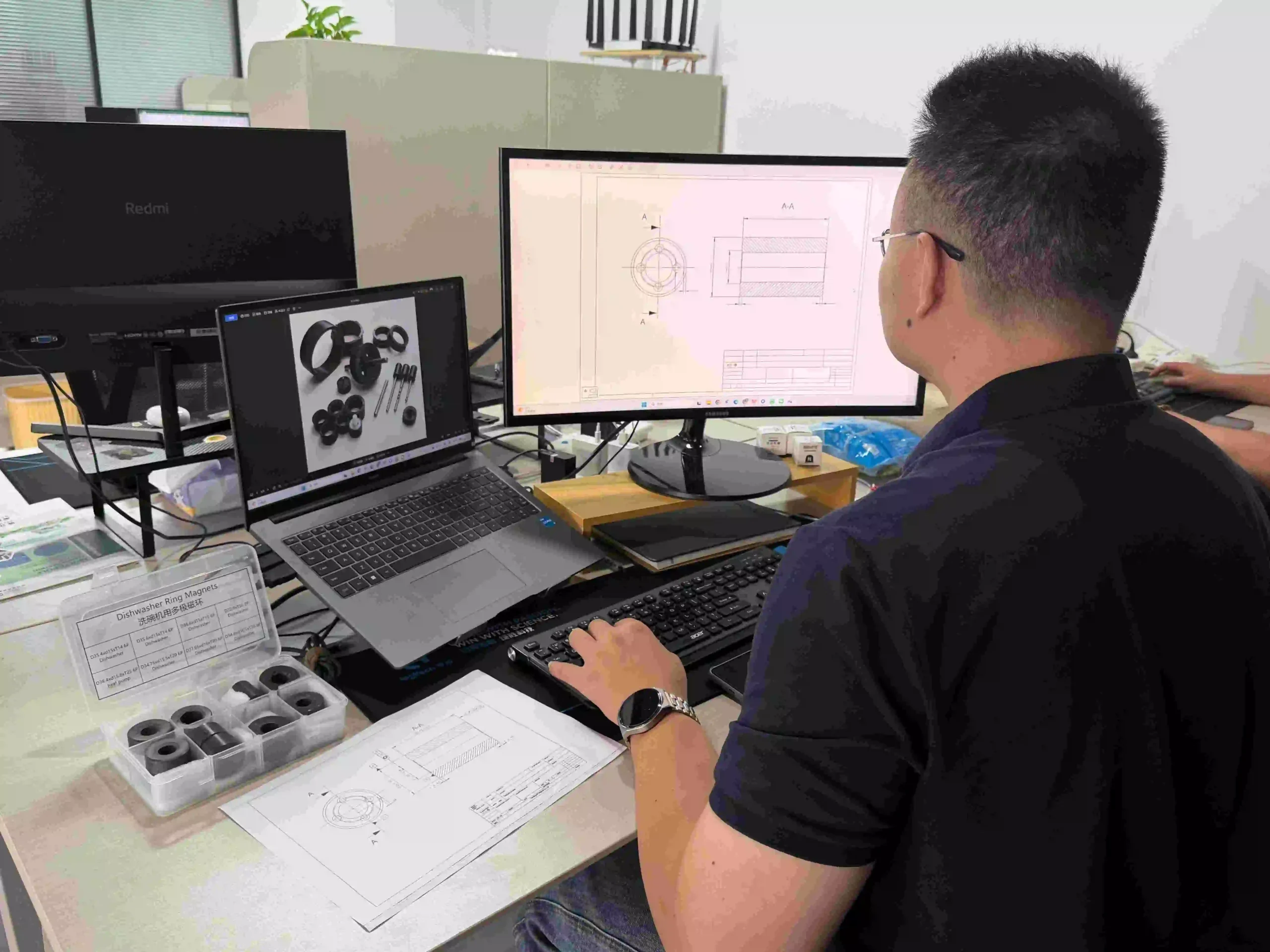
Define outer diameter, inner diameter, thickness, wall thickness, edge details and the critical fit requirements for the mating shaft, rotor or housing.
Specify the required NdFeB grade or magnetic properties together with the magnetic circuit, operating temperature and finished-part acceptance criteria.
Confirm the magnetization direction, pole count or pole pattern, polarity marking and finished-part magnetic criteria.
Define the coating, environmental exposure, assembly process, handling method and application-specific validation conditions.
Send the available ring magnet drawing, application details, magnetic requirements, critical dimensions and expected quantity. The approved drawing and sample acceptance criteria establish the basis for production planning and recurring supply.
Final specifications are defined by the approved ring magnet drawing, NdFeB grade, magnetization requirements, test conditions and sample validation results. Material properties and finished-part magnetic criteria are documented separately where applicable.
| Custom NdFeB Ring Magnet Specification Framework | |||
|---|---|---|---|
| Parameter | Available or Reviewed Scope | Buyer Input | Approval Basis |
| Ring geometry | Outer diameter, inner diameter, thickness, wall thickness, edge details and drawing-defined ring features | 2D/3D drawing, critical dimensions, datums and assembly interface | Approved drawing and sample inspection |
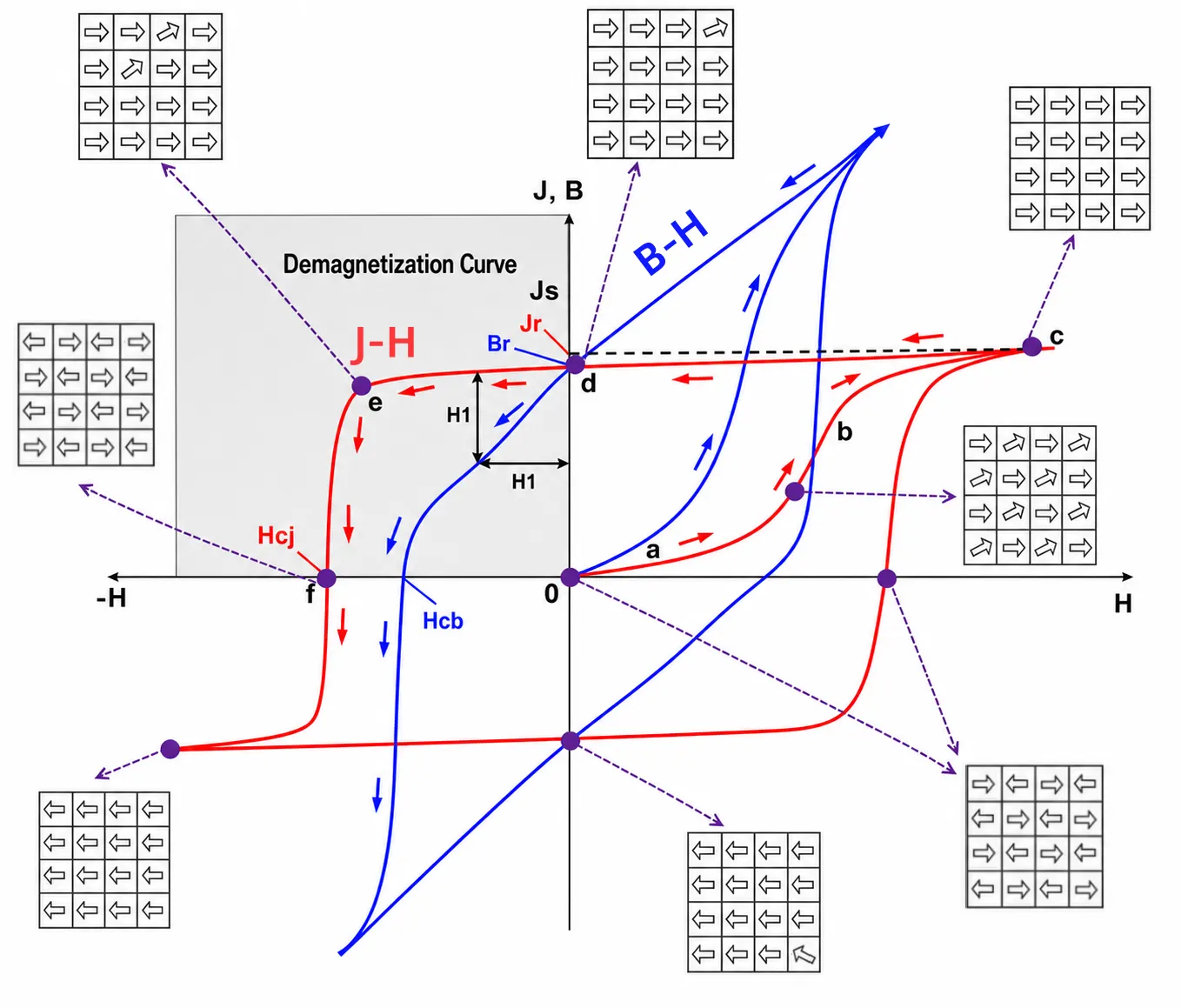
| NdFeB grade | Project-specific NdFeB grade or required material-property range, reviewed with the operating temperature and magnetic circuit | Required Br, Hcb, Hcj and (BH)max values where applicable, plus the operating-temperature requirement | Approved material specification and sample results |
| Magnetization & magnetic criteria | Magnetization direction, pole configuration and finished-part magnetic characteristics measured under defined conditions | Direction, pole count or pattern, polarity marking, target value, measurement position and test method | Approved magnetization and inspection specifications |
| Dimensional tolerances | Tolerances defined according to ring geometry, critical dimensions, machining route and assembly-fit requirements | Critical tolerances, concentricity requirements and fit-related dimensions | Approved drawing and sample inspection |
| Coating & appearance | Coating and appearance criteria reviewed according to handling, assembly process and operating environment | Required coating, environmental exposure and appearance criteria | Approved drawing and sample inspection |
| Operating conditions | Temperature, humidity, corrosion exposure, mechanical load and installation method reviewed for the final application | Environmental profile, duty cycle and validation plan | Project-specific test agreement |
| Application interface | Shaft, rotor, encoder, sensor or other mating component interface reviewed together with the ring geometry | Assembly drawing, air gap, mounting method and functional requirement | Drawing review and sample validation result |
| Supply requirements | Sample quantity, packaging, identification and recurring batch requirements reviewed for the project | Sample quantity, estimated annual volume, target delivery date and packaging requirements | Approved project plan |
Send the available ring magnet drawing together with the required grade or magnetic properties, coating, magnetization, operating conditions and application details. OD, ID and thickness alone do not determine finished-part magnetic output, assembly fit or the validation method.
The approved drawing, material specification, magnetization requirements and sample validation results establish the controlled specification for production.
Review the available ring magnet drawing, end application, assembly interface, operating conditions and project requirements.
Define OD, ID, thickness, critical tolerances, NdFeB grade, magnetic requirements, coating and acceptance criteria.
Confirm the magnetization direction, pole count or pattern, polarity marking and finished-part magnetic acceptance criteria.
Prepare NdFeB ring magnet samples according to the reviewed drawing and agreed technical specification.
Evaluate sample dimensions, magnetic characteristics, coating, assembly fit and application-specific acceptance criteria before production planning.
Release the part for batch production after the drawing, sample results, inspection criteria, packaging and supply requirements are approved.
Before shipment, NdFeB ring magnets are checked against the approved drawing and the agreed dimensional, magnetic, coating, appearance, packaging and identification requirements.
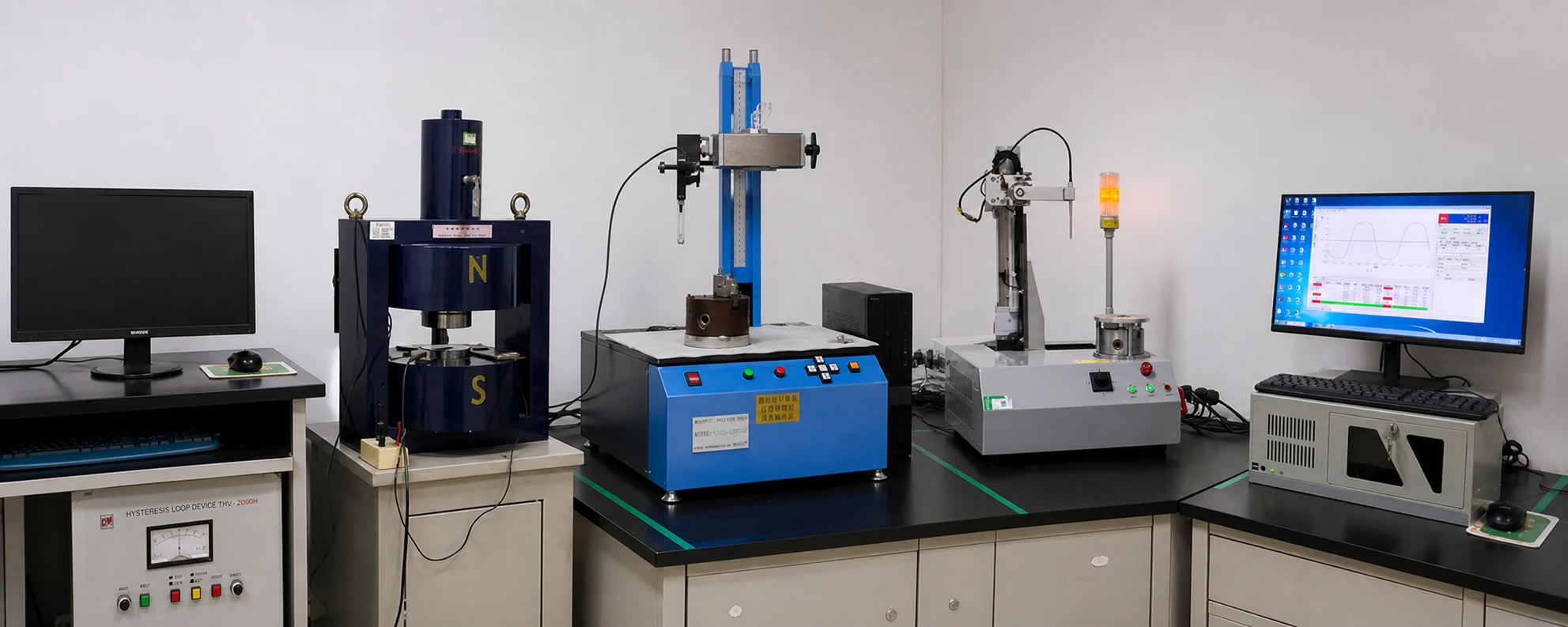
| NdFeB Ring Magnet Inspection and Release Items | ||
|---|---|---|
| Inspection Item | Control Approach | Why It Matters |
| Ring dimensions & visual condition | OD, ID, thickness, critical dimensions, edges and agreed appearance requirements are checked using the applicable inspection method. | Supports assembly fit, shaft interface, air-gap control and acceptable product appearance. |
| Magnetization & polarity | Magnetization direction, pole configuration and polarity identification are verified where required by the project specification. | Helps prevent incorrect installation or mismatch with the final magnetic circuit. |
| Packaging & shipment identification | Packaging method, product identification and shipment documentation are prepared according to agreed delivery requirements. | Supports receiving, traceability and handling at the customer location. |
Critical ring geometry, tolerances, magnetization, coating and appearance requirements follow the approved drawing and project specification.
Approved sample dimensions, magnetic results, coating and application-specific criteria establish the production acceptance baseline.
Batch release and shipment preparation follow the agreed inspection, identification and packaging requirements for the project.
NdFeB ring magnets are commonly specified for rotary magnetic assemblies. Selection depends on ring geometry, magnetic-circuit design, magnetization configuration, assembly interface and the operating conditions of the final product.
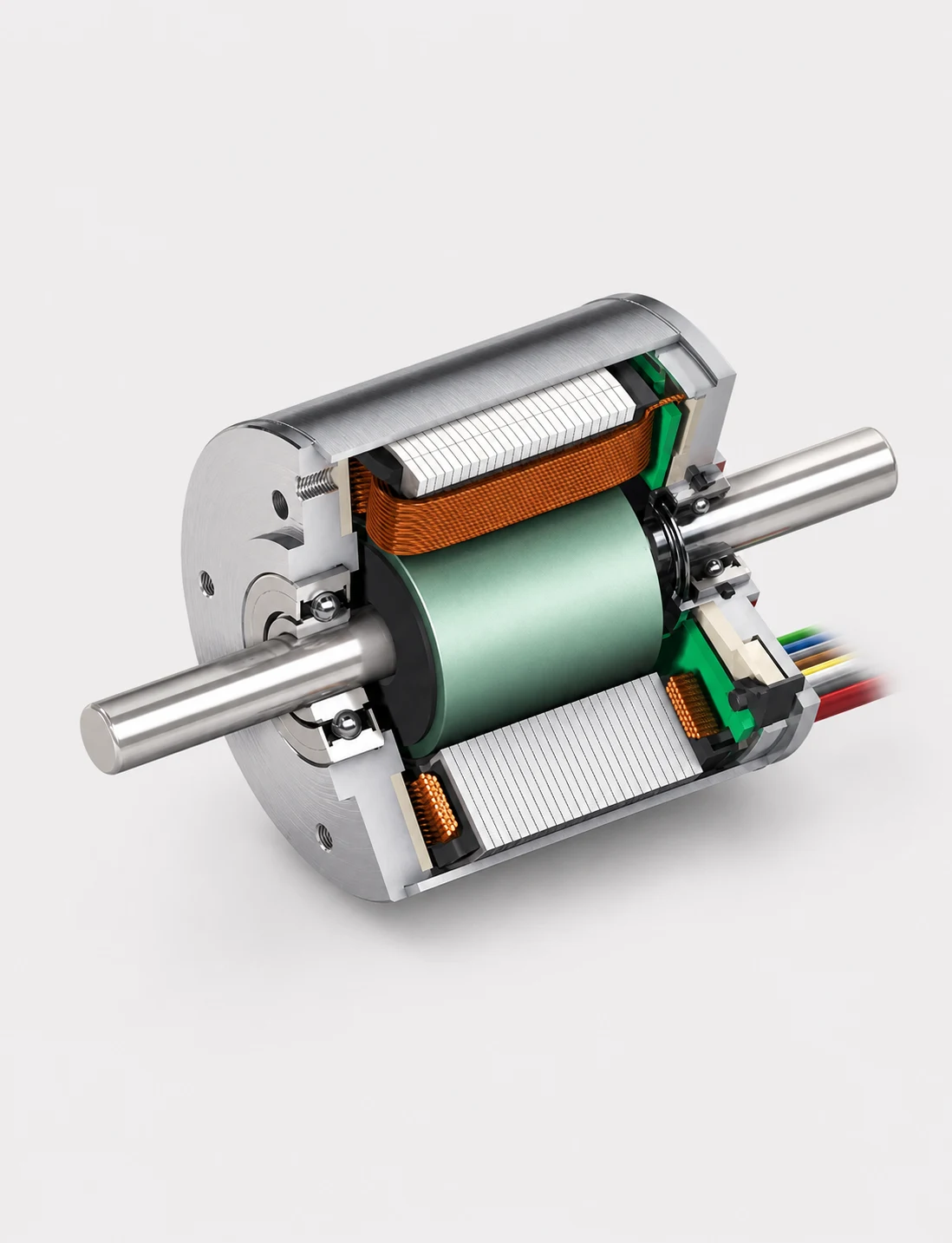
NdFeB ring magnets can be reviewed for compact motor rotors and rotary assemblies. OD, ID, thickness, pole configuration, air gap and rotor-interface requirements are defined for the project.
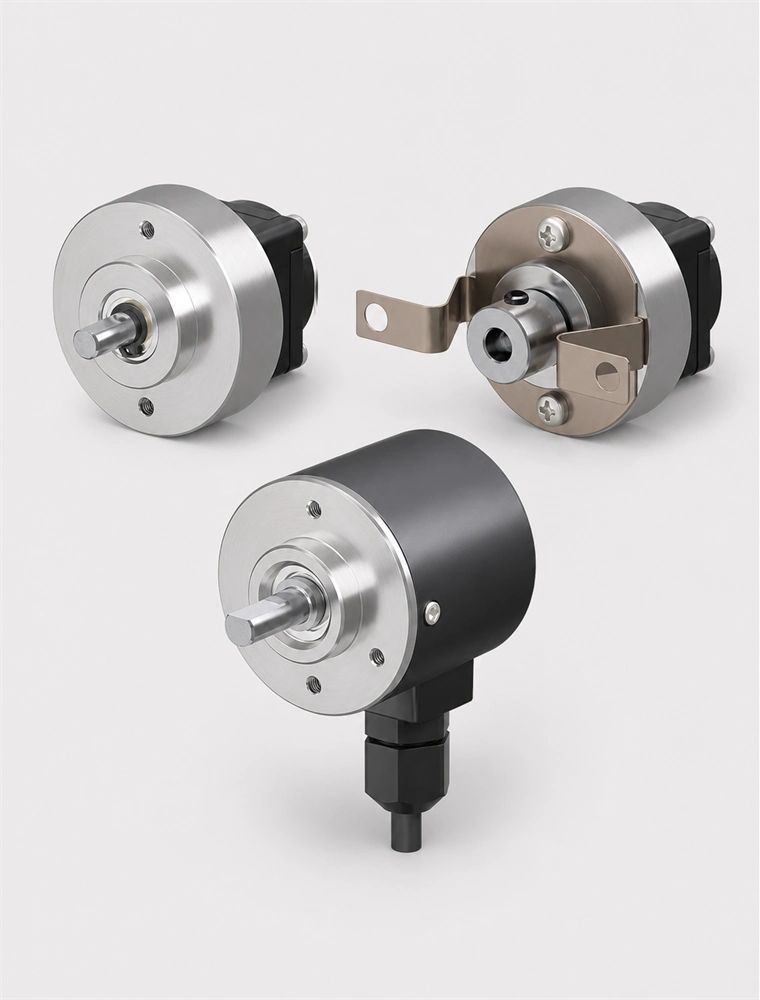
Ring magnet configurations are used in encoder and sensing assemblies where concentricity, magnetization pattern, mounting position and signal-related requirements must be considered together.
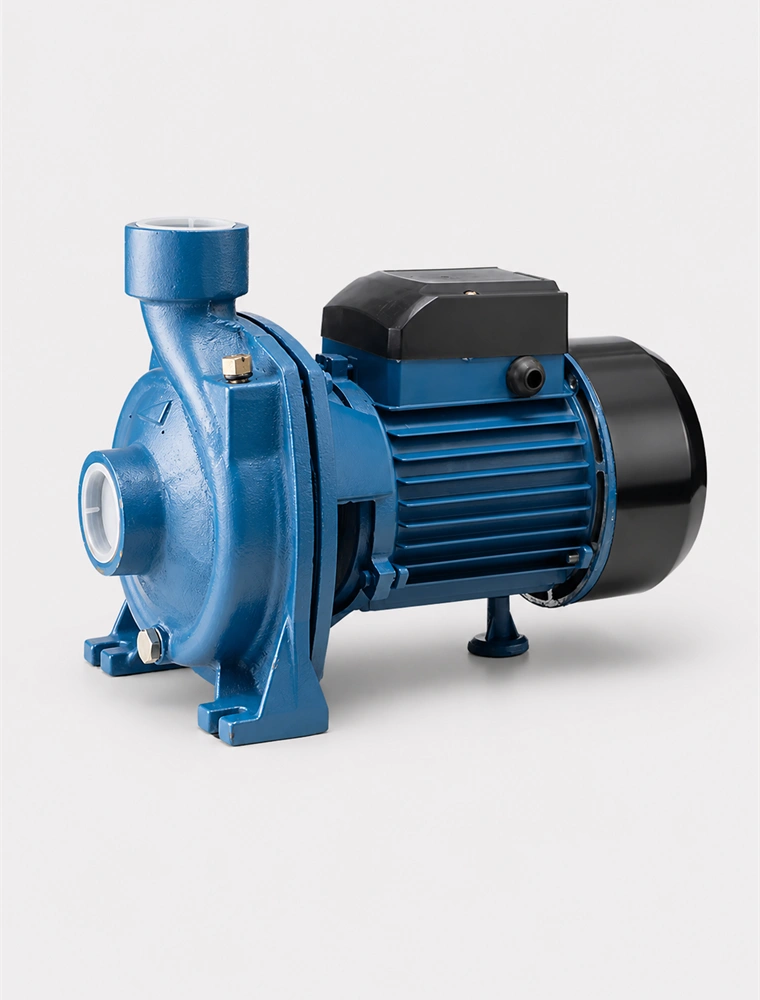
For appliance motors, pump assemblies and actuator projects, the ring magnet is reviewed with the shaft interface, operating environment, magnetic requirement and sample validation plan.
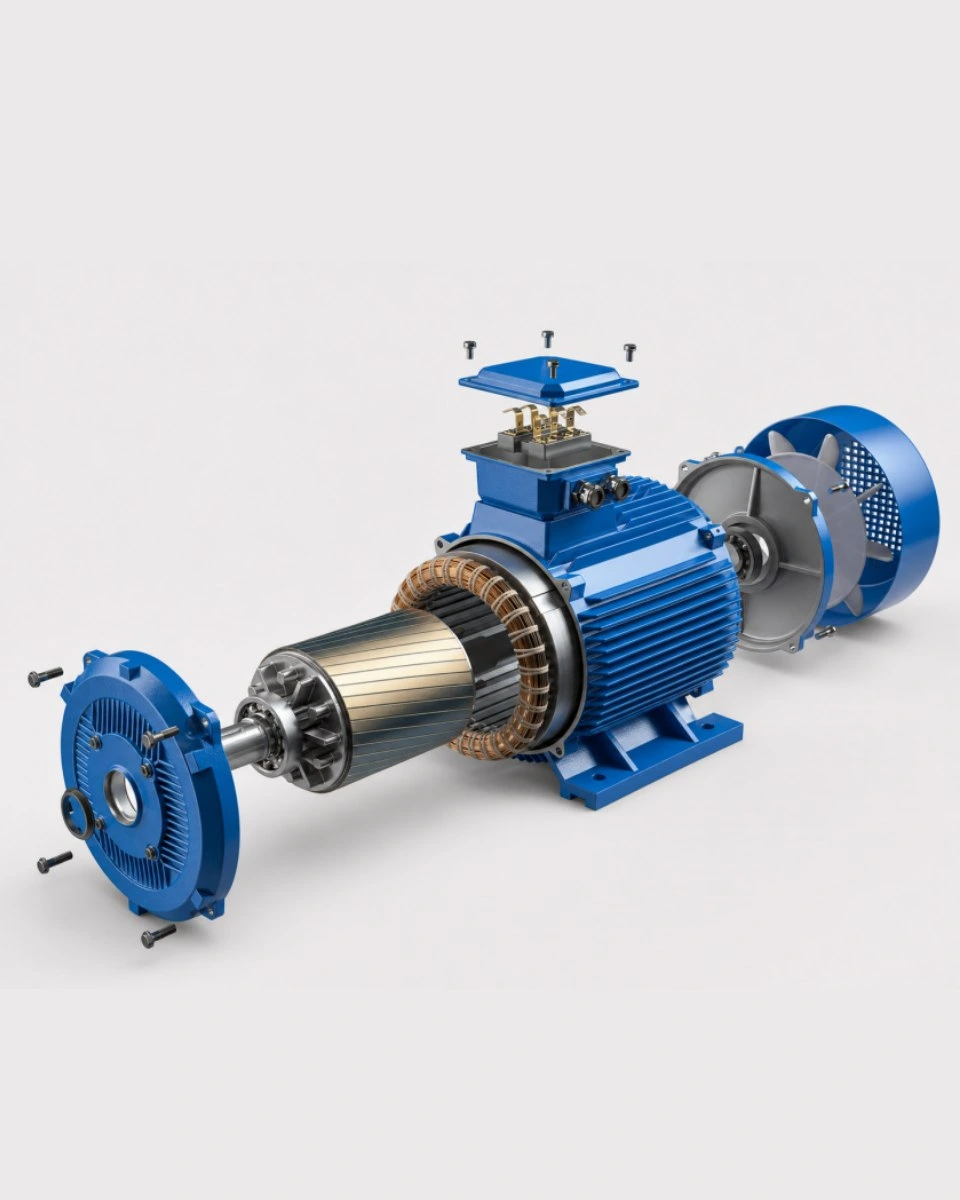
For industrial motor and automation projects, NdFeB ring magnet specifications are developed around the assembly drawing, critical dimensions, magnetization requirement and expected operating conditions.
Repeat orders are reviewed against the current approved drawing, sample acceptance baseline and delivery specification. Changes to the assembly interface, operating conditions, packaging or demand plan should be communicated before the next production release.
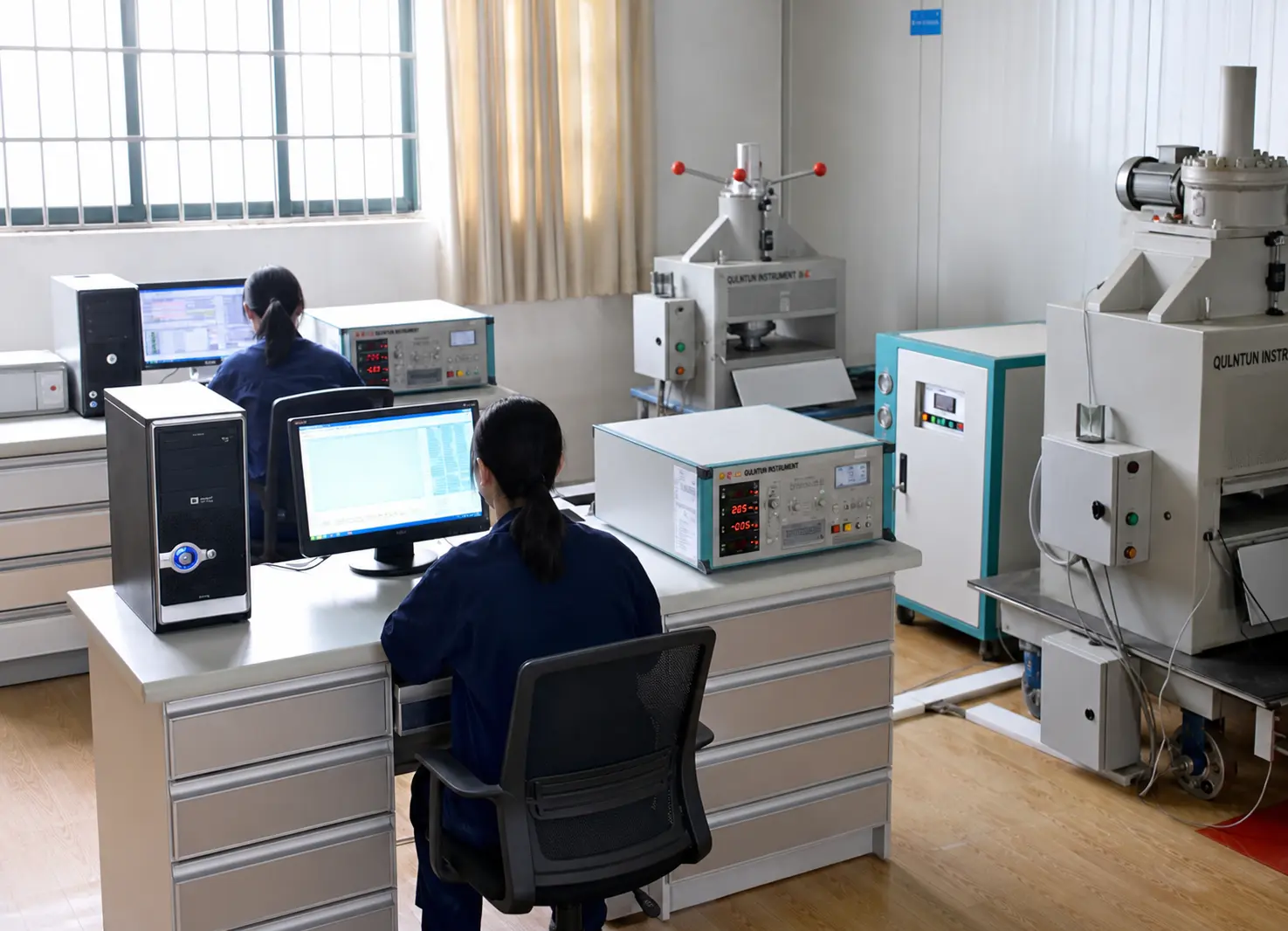
Feedback related to assembly fit, identification, packaging or agreed product requirements can be reviewed against the approved project specification.
Changes to ring geometry, NdFeB grade, magnetization, coating or operating conditions should be evaluated before the next production release.
Future batch requirements, delivery schedules and packaging requirements can be aligned with the approved drawing and current project requirements.
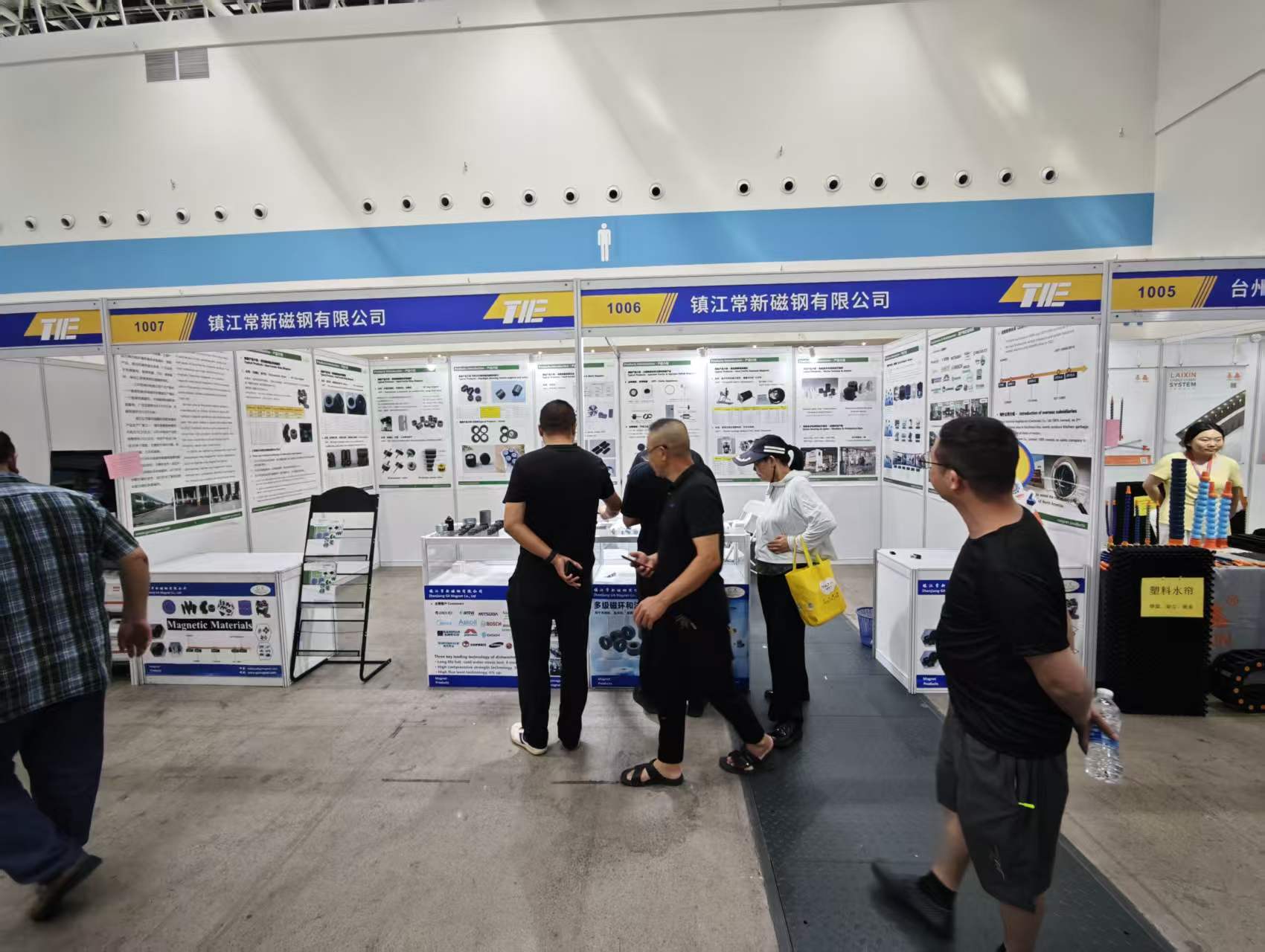
GX Magnet presents custom NdFeB ring magnets for motor rotors, encoders, sensors and concentric magnetic assemblies at industry exhibitions. Engineers and buyers can discuss ring geometry, bore and wall dimensions, magnetization patterns and sourcing requirements before submitting a drawing.
Answers to common purchasing and engineering questions for custom neodymium ring magnet projects.
Need help defining the bore, magnetization or assembly fit of your NdFeB ring magnet?
Send your drawing and project requirements to our engineering and sales team for technical review, a custom quotation or a factory-visit or audit request. We will review the information and confirm the next steps.