GX MAGNET Logo
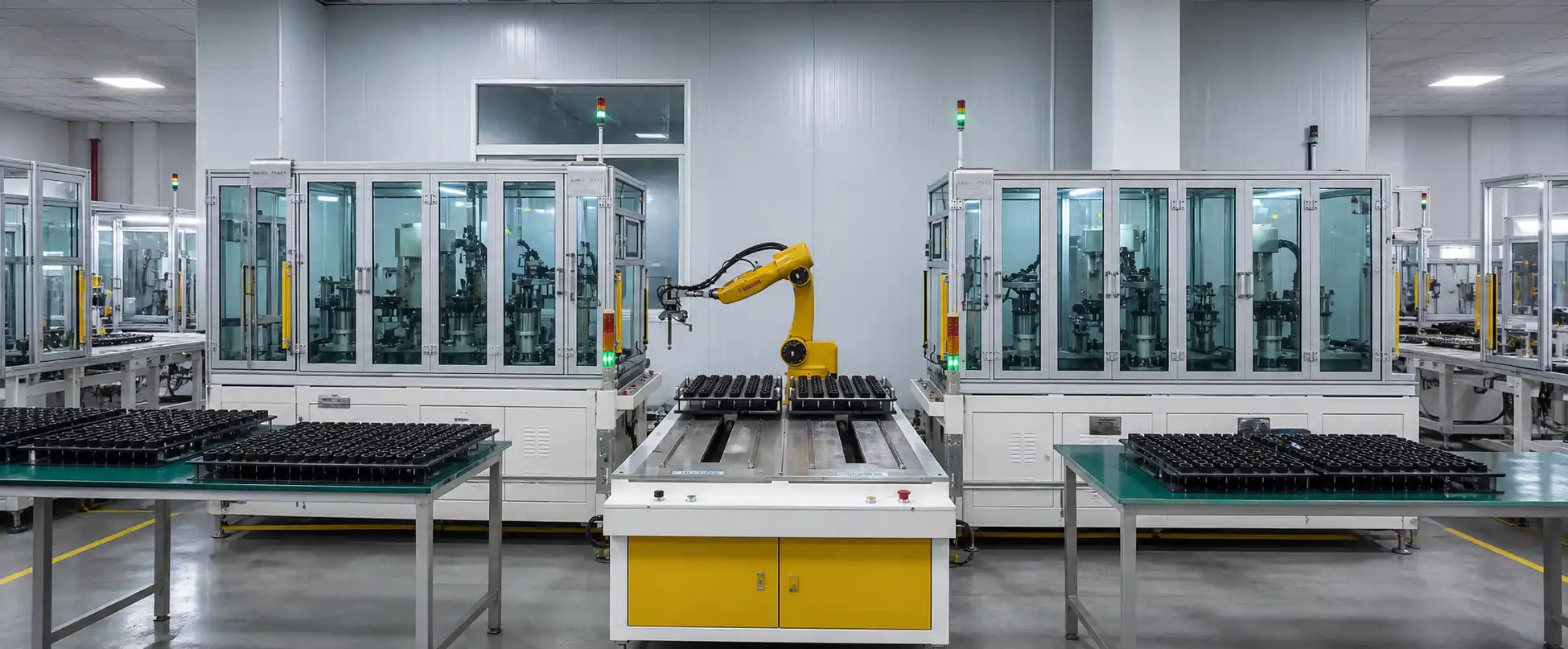
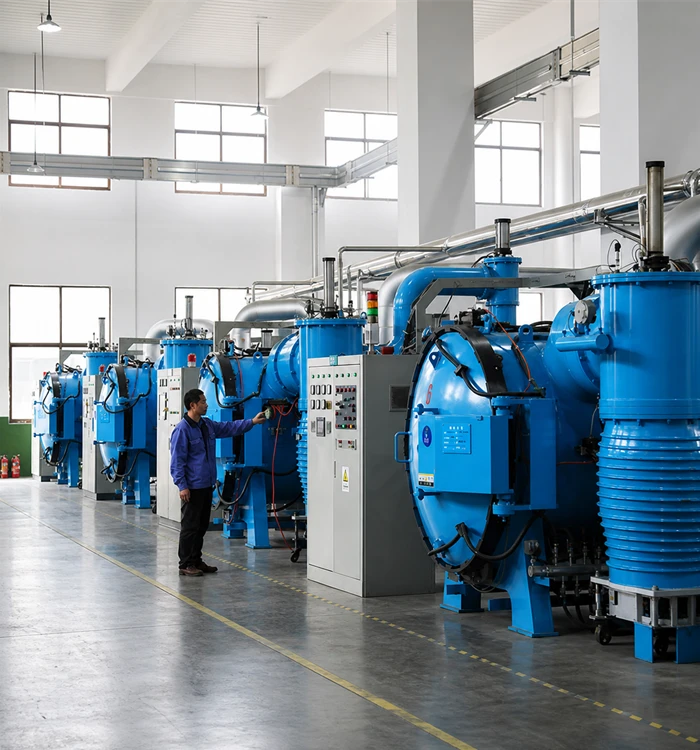
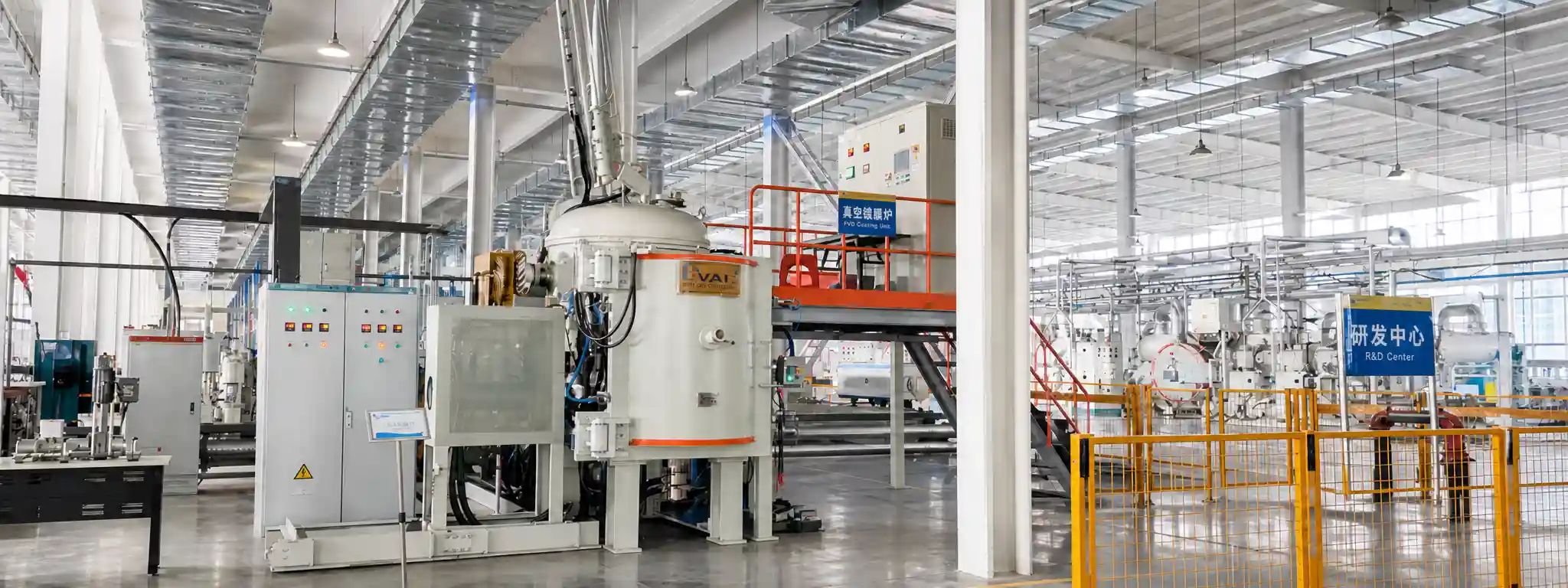
Automated NdFeB Bar Magnet Production Line

NdFeB Bar Magnet
Manufacturer

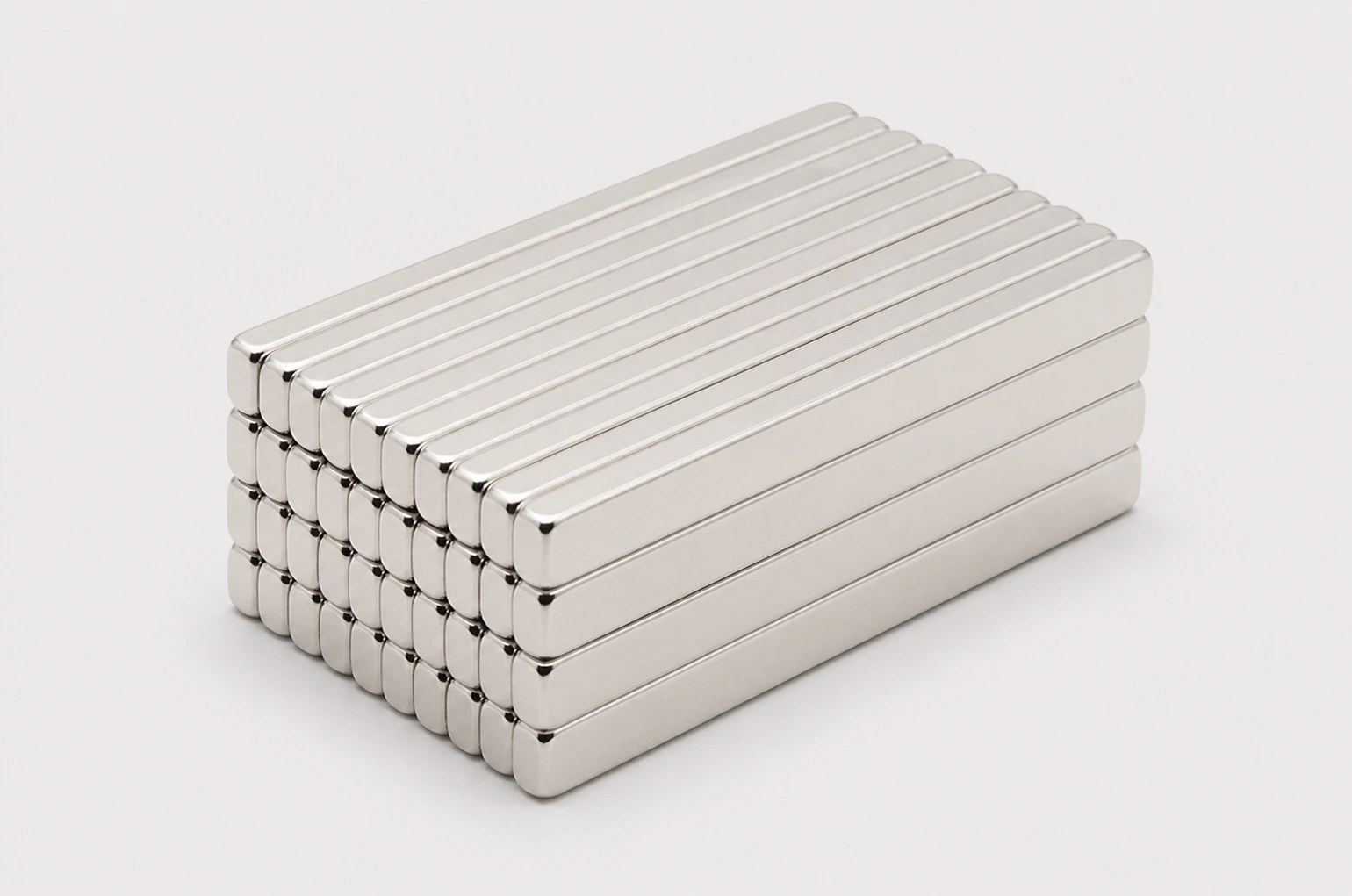
GX Magnet supplies sintered NdFeB bar magnets according to customer drawings for motor, sensor, actuator and industrial magnetic-component projects. Length, width, thickness, material requirement, magnetization direction and assembly conditions are reviewed before quotation and sampling.

  • Length, width, thickness and critical tolerances reviewed to customer drawings
  • NdFeB material requirement, magnetization direction and magnetic target defined for the assembly
  • Sample validation and batch supply planning based on the approved project specification
Contact on WhatsApp
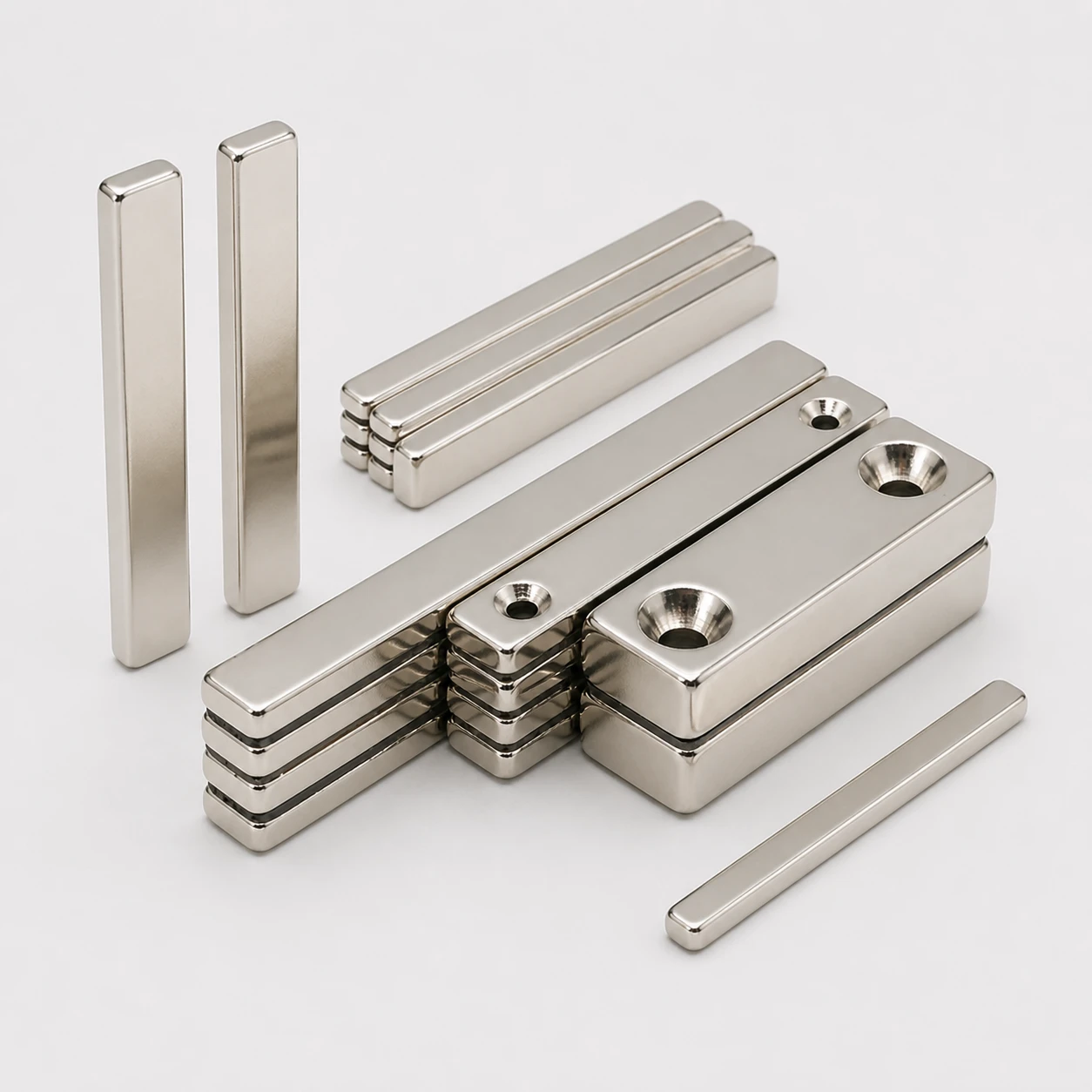
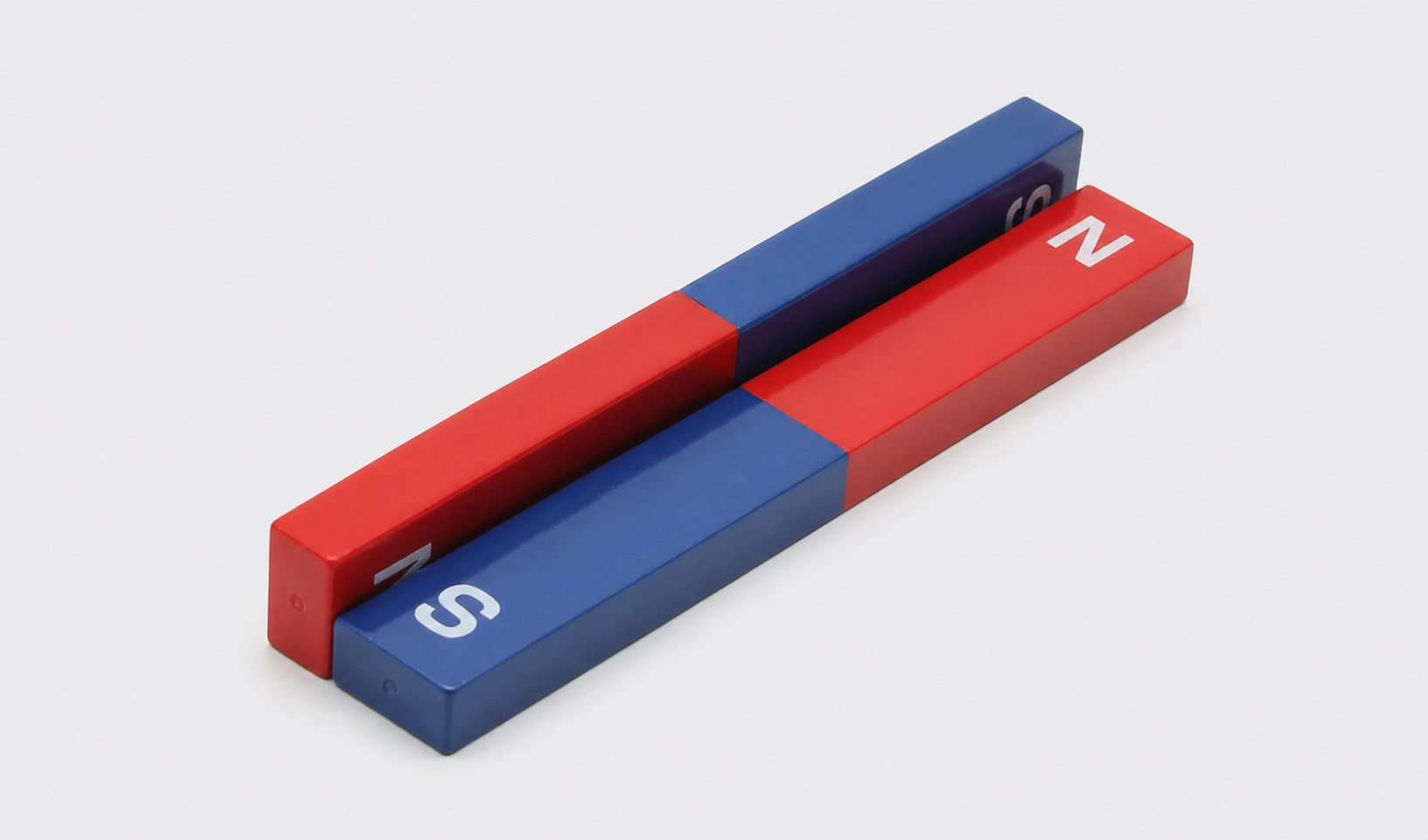
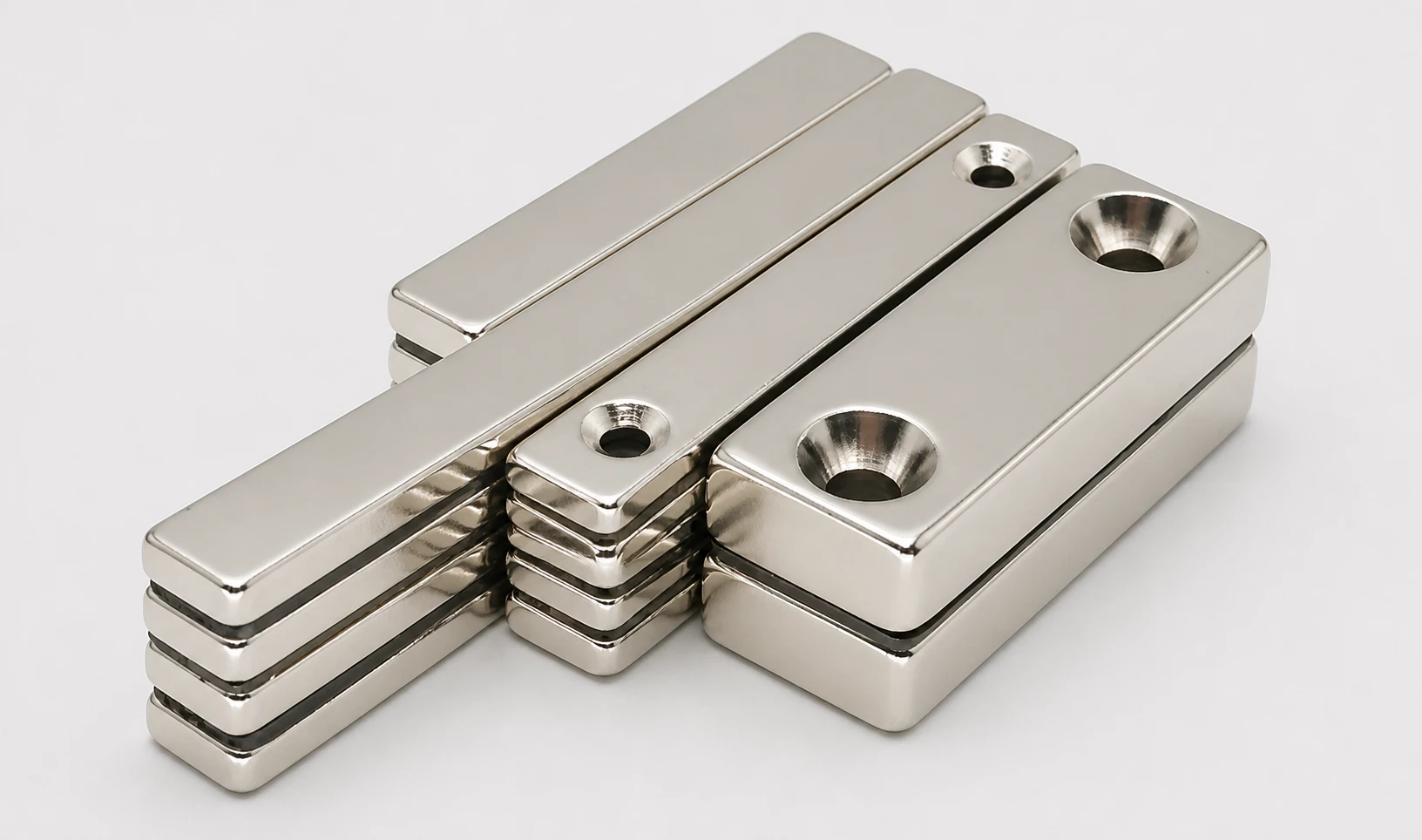
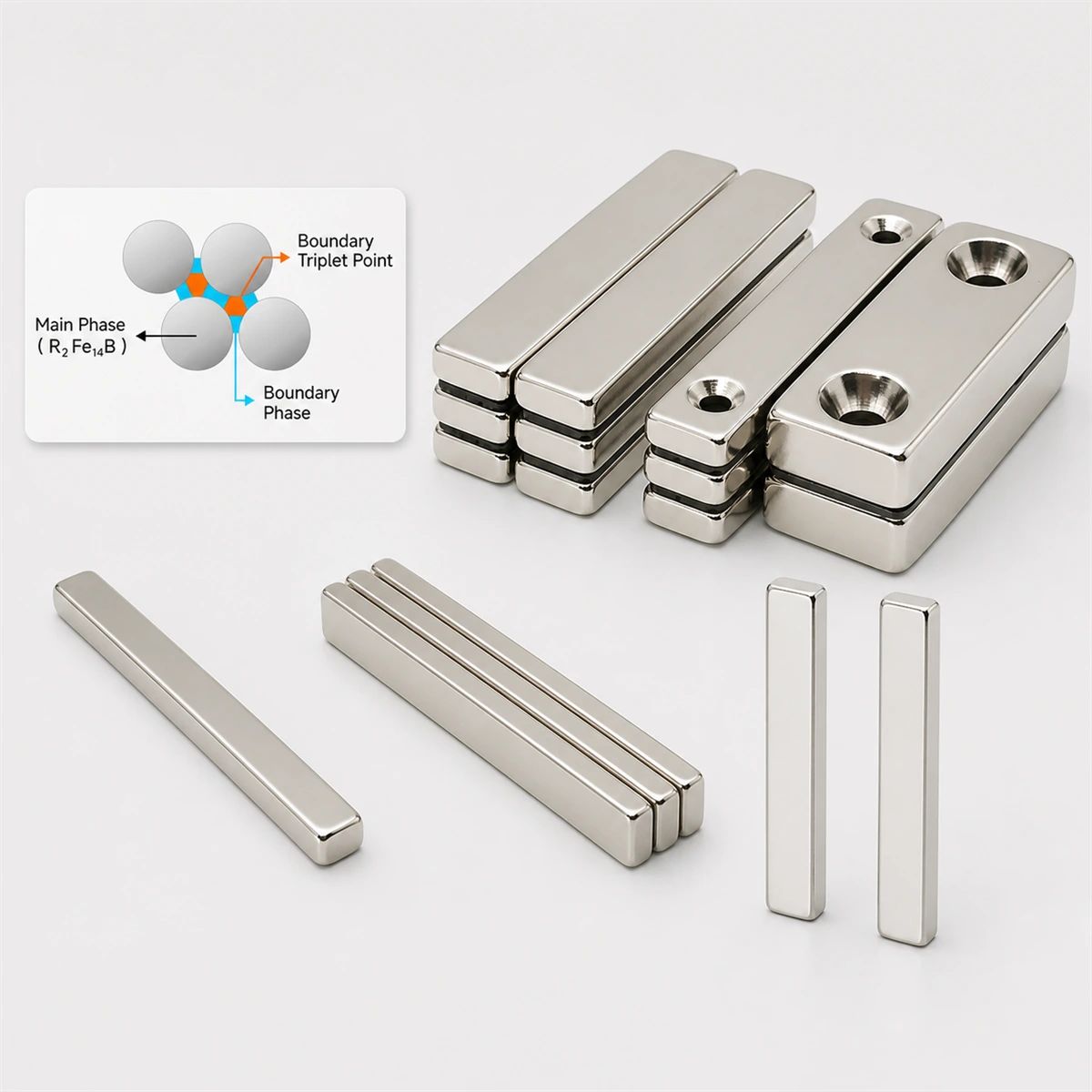
Neodymium Bar Magnet Display
Bosch logo
Midea logo
Siemens logo
WEG logo
Gree logo
Shimge logo
Copreci logo
Buhler logo
Samsung logo
Nidec logo
Project Review

Get a Faster Quote:
Key Requirements for
NdFeB Bar Magnet

Before quotation or sampling, GX reviews the bar-magnet drawing, material requirement, critical dimensions, magnetization and application conditions for the project.

BAR GEOMETRY

Define length, width, thickness, edge details, mounting features and the critical dimensions required by the mating component. Tolerances should follow the customer drawing and the required assembly fit.

Material Requirement

Provide the required NdFeB material grade or magnetic target together with the operating-temperature requirement. A grade name alone does not define the magnetic result for every bar-magnet size and geometry.

Magnetization Configuration

Specify the magnetization direction, polarity marking, pole configuration and magnetic requirement where available. These inputs should be reviewed with the installed magnetic circuit and assembly orientation.

Application Conditions

Share the end application, operating environment, sample quantity, estimated annual demand and validation requirements. These details help define the sample scope and production plan for the project.

GX NDFEB BAR MAGNET CAPABILITIES

Custom NdFeB Bar Magnet Solutions from GX

Explore sintered NdFeB bar magnet configurations forprojects. Length, width, thickness, magnetization, surface requirement and assembly interface are reviewed according to the customer drawing and final application.

Rectangular NdFeB Bar Magnets

Rectangular NdFeB Bar Magnets

Characteristics:

Axial magnetization is standard. Custom options include transverse, oblique, and multipole magnetization on one face to match application-specific magnetic-circuit designs.
Specification Focus:
● Standard tolerances: ±0.05 to ±0.10 mm for general-purpose holding, standard motor, and routine industrial applications
● Precision tolerances: ±0.02 mm or tighter for servo motors, precision sensors, and high-accuracy assemblies

Thin NdFeB Bar Magnets

Thin NdFeB Bar Magnets

Characteristics:

Low-profile NdFeB bar magnets with thicknesses ranging from 0.20 to 3.00 mm. Available in ultrathin configurations from 0.20 to 1.00 mm and standard thin configurations from 1.00 to 3.00 mm for space-constrained assemblies and precision magnetic circuits.
Specification Focus:
● Thickness tolerance: ±0.01 to ±0.03 mm for precision linear-motor applications; ±0.05 mm for general-purpose holding applications
● Length and width tolerances: ±0.03 mm for precision applications; ±0.10 mm for standard applications

Long NdFeB Bar Magnets

Long NdFeB Bar Magnets

Characteristics:
Elongated NdFeB bar magnets with a length-to-width ratio of 5:1 or greater, ranging from miniature bars with a 2 × 3 mm cross-section to heavy-duty industrial magnetic rails more than 500 mm long with a 20 × 30 mm cross-section.
Specification Focus:
● Cross-sectional tolerances: ±0.02 mm for precision motor and sensor applications; ±0.05 mm for industrial applications; ±0.10 mm for general-purpose holding applications
● Overall length tolerances: ±0.05 mm for short bars; ±0.10 to ±0.20 mm for meter-long magnetic rails

Custom-Dimension NdFeB Bar Magnets

Custom-Dimension NdFeB Bar Magnets

Characteristics:
Custom dimensions with controlled geometric tolerances for straightness, flatness, twist, and end-face squareness. These magnets are suitable for segmented long-stroke magnetic tracks and high-precision assemblies.
Specification Focus:
● Cross-sectional tolerances for thickness and width: ±0.02 mm or tighter for precision applications; ±0.05 mm for standard applications; ±0.10 mm for cost-sensitive custom applications
● Length tolerances: ±0.05 mm for short precision bars; ±0.10 to ±0.30 mm for long bars, with tighter tolerances available for segmented or butt-jointed assemblies

Custom-Magnetization NdFeB Bar Magnets

Custom-Magnetization NdFeB Bar Magnets

Characteristics:
Application-specific magnetization options include single- or double-sided multipole magnetization, oblique magnetization, and Halbach-type magnetization patterns. Magnetic-circuit simulation and manufacturing-feasibility review can be completed before sampling.
Specification Focus:
● Key parameters: total pole count, pole pitch, pole width, and pole duty ratio
● Pole-positioning accuracy: ±0.01 to ±0.03 mm for precision encoders and sensors; ±0.05 to ±0.10 mm for general applications
● Additional options: defined starting-pole position, polarity matching for segmented assemblies, and application-specific encoded pole patterns

Surface-Protected NdFeB Bar Magnets

Surface-Protected NdFeB Bar Magnets

Characteristics:

Multiple corrosion-protection options are available. Coating processes can be adapted to long-bar geometries to control coating-thickness uniformity, minimize edge buildup, and maintain finished dimensional accuracy.
Specification Focus:
● Coating options: zinc plating, Ni-Cu-Ni plating, epoxy coating, zinc-aluminum coating, and Parylene coating
● Specified salt spray performance may range from 48 h to more than 1,000 h, depending on the coating system and agreed test conditions
● Coating-thickness variation: within ±20% of the nominal thickness over the full length, with continuous coverage on edges and end faces

Why Choose GX for Custom Neodymium Bar Magnets?

Engineering precision, flexible magnetization, and proven reliability for high-performance linear motion and sensor applications.

Process Optimization for Stable Geometric Accuracy

Long, slender NdFeB magnets are particularly susceptible to bending and warpage. GX applies dedicated cutting and grinding controls to maintain dimensional and geometric accuracy over extended lengths.

Thickness tolerances can be consistently controlled to ±0.02 mm, with precision parts reaching ±0.01 mm. Straightness can be controlled to ≤0.05 mm per 1,000 mm, supporting segmented long-stroke magnetic tracks.

Flexible Magnetization with Consistent Output

GX supports application-specific magnetization patterns, including through-thickness, through-width, and longitudinal magnetization.

Advanced options include longitudinal multipole magnetization for magnetic-scale applications, with pole-pitch accuracy of ±0.01 to ±0.03 mm and magnetic-field variation along the full length controlled within ±2%.

Surface Protection & Structural Reinforcement

Long bar magnets require special attention to coating coverage at edges and end faces. GX adapts its plating processes to control coating-thickness uniformity while minimizing edge buildup.

Salt spray performance up to 1,000+ hours is available. Optional adhesive backing, stainless steel reinforcement, and overmolding improve resistance to impact and fracture.

Comprehensive Customization

GX supports full customization across all parameters:

  • Dimensions: Ultrathin from 0.20 mm to large-cross-section tracks.
  • Features: Through holes, countersunk holes, slots, notches, and custom chamfers.
  • Lead Time: Sampling in 5–10 days; initial production in 15–20 days.

Automotive-Grade Quality Control

GX applies quality-control practices developed through programs serving global customers. Dimensional, geometric, and magnetic-property consistency is strictly controlled.

Within-batch variation in remanence (Br) can be controlled within ±1%. Project-specific validation includes thermal shock, salt spray, and vibration testing to ensure long-term stability.

Proven Volume-Production Experience

Our NdFeB bar magnets are trusted in volume-production applications including automotive motors, industrial linear-motion modules, and precision sensors.

Engineering support is available from the early design stage, including magnetic-circuit simulation and manufacturability assessment, helping identify technical risks before sampling.

Ready to optimize your magnetic assemblies?

Consult with our engineering team for custom NdFeB bar magnet solutions. From initial magnetic-circuit simulation to stable volume production, we strengthen the technical and commercial viability of your design.

Or contact us directly: eddyliu@gxmagnet.com +86 13505189254
Precision NdFeB Bar Magnet Engineering

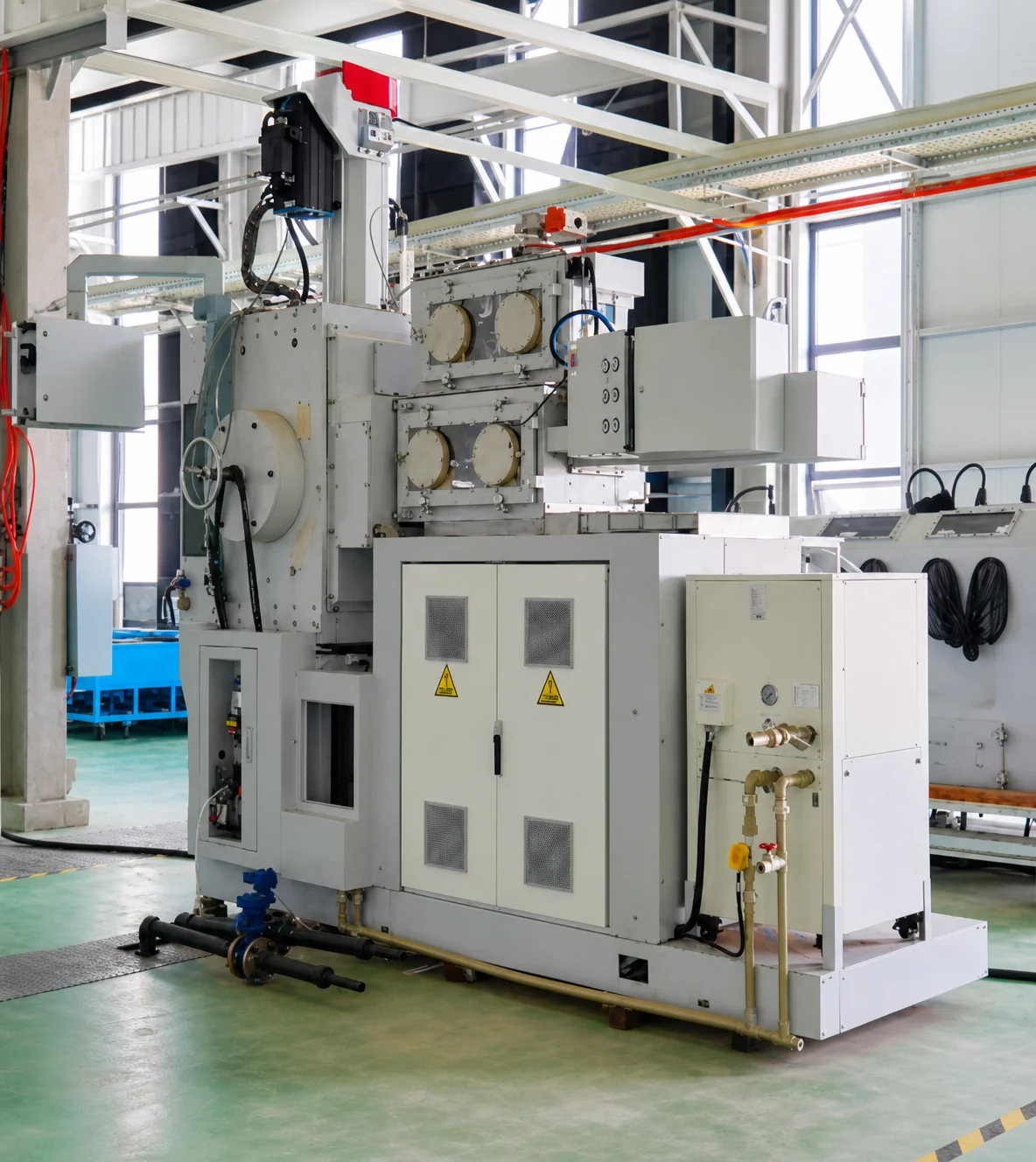
All-Electric Servo Compaction: Building Quality into NdFeB Bar Magnets

A fully automated, all-electric servo press provides precise closed-loop control of compaction pressure and ejection. Beginning at the compaction stage, the system addresses key manufacturing challenges associated with long NdFeB magnets, including warpage, uneven density, and batch-to-batch variation.

All-Electric Servo Compaction Process

Core Equipment Capability

The all-electric servo system precisely controls compaction pressure and ejection force, improving first-pass yield and eliminating the need for an additional isostatic pressing step. After compaction, green compacts are automatically stacked, tray-loaded, and transferred in a sealed system, minimizing manual contact and protecting dimensional and geometric accuracy.

Value for Long Bar Magnets

The compaction process is optimized for the extended geometry of long bar magnets. It produces green compacts with uniform density, low residual stress, and improved straightness and thickness consistency. This reduces variation in geometric tolerances during subsequent grinding and supports stable batch-to-batch quality in finished bar magnets.

What Are NdFeB Bar Magnets?

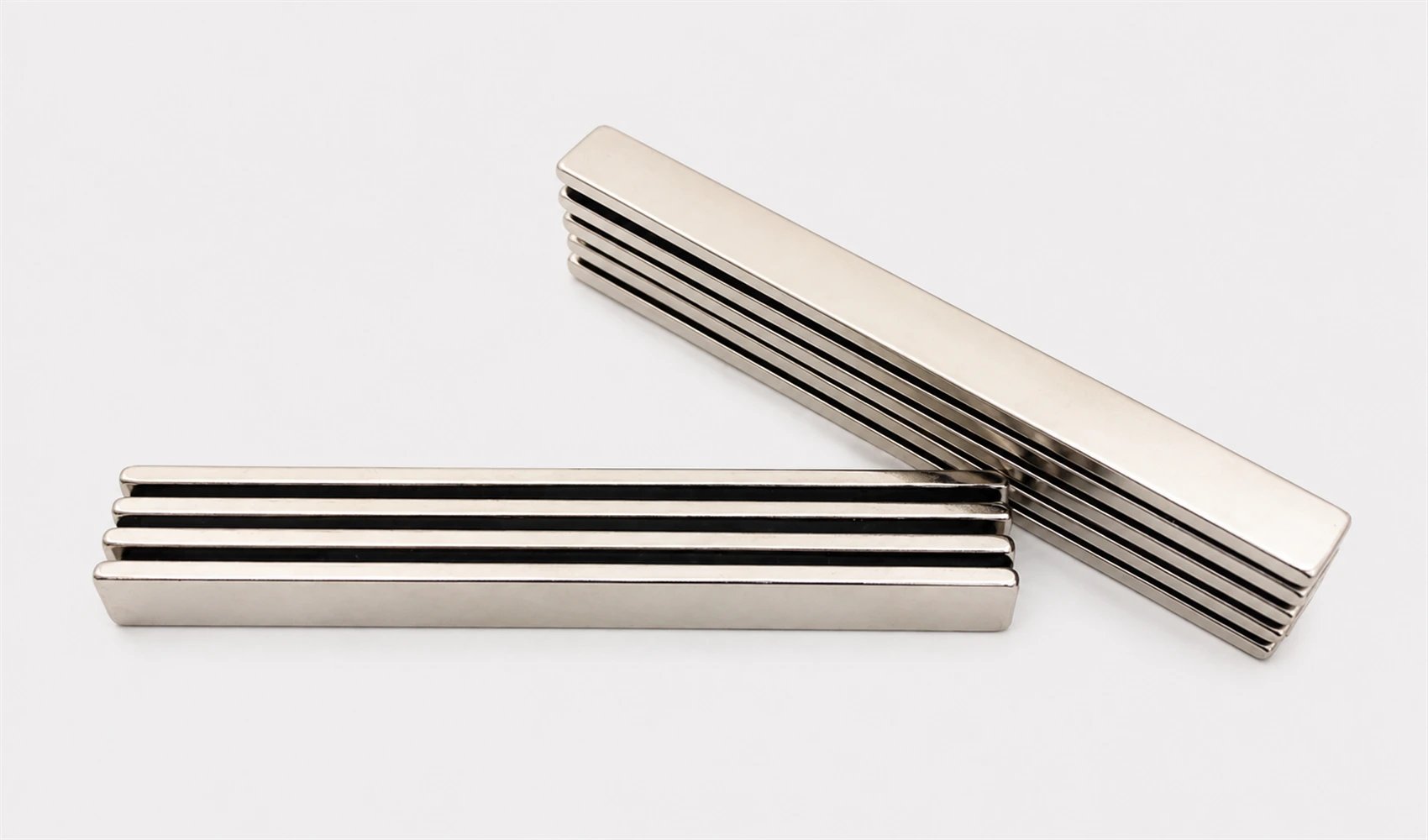
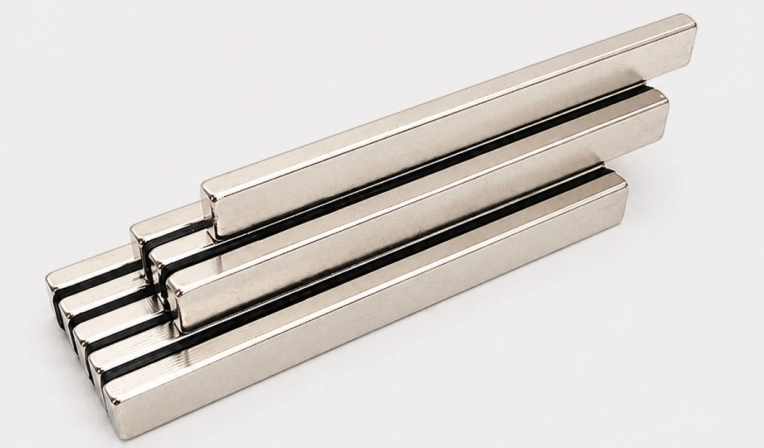
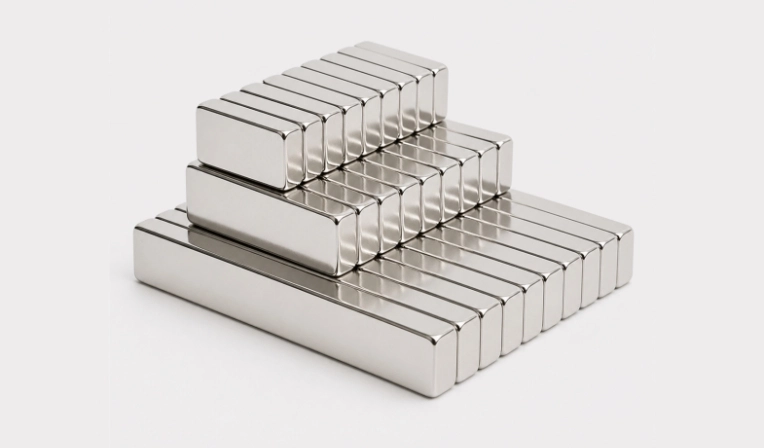
NdFeB bar magnets, also called neodymium bar magnets or rectangular neodymium magnets, are sintered permanent magnets made from neodymium-iron-boron material. Their rectangular profile is defined by length, width, thickness, edge details and the critical tolerances required by the customer drawing.


GX Magnet supports drawing-based NdFeB bar magnet projects for OEM magnetic-component assemblies. The bar-magnet geometry is reviewed together with the material requirement, magnetic target, magnetization configuration, assembly interface and operating conditions before quotation and sampling.

An NdFeB bar magnet is not selected by dimensions alone. Changes in length, width, thickness, magnetization direction, polarity configuration and surface requirement can affect assembly fit, magnetic behavior and validation in the final magnetic circuit.

NdFeB Material Communication and Bar Magnets

Bar Geometry & Tolerances

Length, width, thickness, edge details and critical tolerances are reviewed against the customer drawing and assembly interface.

Material & Magnetic Requirement

The required NdFeB material grade or magnetic target is evaluated together with the operating temperature, magnetic-circuit and project requirements.

Magnetization Configuration

Magnetization direction, polarity marking, pole configuration and magnetic requirements are defined according to the final magnetic assembly.

Surface Protection & Project Validation

Surface-protection requirements, operating conditions, sample-validation criteria, estimated demand and packaging requirements are reviewed by project.

Project Specifications

Define NdFeB Bar Magnet
Requirements for OEM Projects

An NdFeB bar magnet is specified as part of the final assembly. GX reviews the bar geometry, material requirement, magnetic target, magnetization configuration, surface requirement and operating conditions together before quotation and sampling.

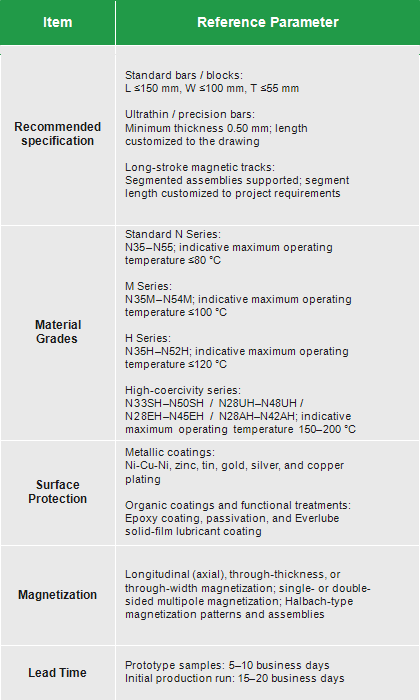
Sintered NdFeB Magnet Reference Parameter

Geometry and Assembly Interface

The customer-approved drawing defines length, width, thickness, tolerance class, datums, chamfers, deburring, allowable edge chipping, and other appearance requirements. Mounting features—including holes, countersinks, slots, steps, and segmented joints—are controlled to the specified dimensional and geometric tolerances.

Material Selection and Magnetic Targets

The NdFeB grade is selected according to operating temperature, magnetic-circuit design, and service-life requirements. Required remanence (Br), intrinsic coercivity (Hcj), and maximum energy product [(BH)max] are defined, together with an appropriate demagnetization margin.

Magnetization and Polarity Configuration

Magnetization direction, pole pattern, pole count, pole pitch, and field-waveform requirements are confirmed for the intended motor, sensor, actuator, or assembly. Polarity marking, start- and end-pole indexing, and polarity matching for segmented parts can also be specified.

Surface Protection and Reliability Validation

The coating system is selected according to environmental exposure, assembly process, and service conditions. Coating thickness, salt spray duration, and adhesion requirements are defined as needed, together with applicable validation such as salt spray, thermal cycling, vibration, and shock testing.

Drawing Review Before Sampling

Please provide the available NdFeB bar magnet drawing, application details, magnetic requirements, critical dimensions and expected quantity. The approved drawing and sample-validation requirements form the basis for project planning and recurring supply.

Engineering Specs

Technical Information Required for
NdFeB Bar Magnet
Selection

Final values are defined by the approved NdFeB bar magnet drawing, material requirement and sample-validation result. GX does not apply one material grade, tolerance, coating or magnetic value to every neodymium bar magnet size and project.

NdFeB Bar Magnet Project Specification Framework
Parameter Available or Reviewed Scope Buyer Input Approval Basis
Bar geometry Length, width, thickness, edge details, mounting features and drawing-defined bar profiles 2D/3D drawing, critical dimensions, datums and assembly interface Approved drawing and sample inspection
Material & magnetic target Project-specific NdFeB material requirement or magnetic target reviewed with the application and operating conditions Material requirement, operating temperature, magnetic target and test condition Approved material requirement and sample result
Magnetization Direction, polarity marking and project-defined pole configuration for the bar-magnet structure Magnetization direction, pole count, polarity marking and flux requirement Approved magnetic specification and sample validation
Dimensional tolerances Tolerances defined according to bar geometry, critical dimensions, processing route and assembly-fit requirements Critical tolerances, concentricity requirements and fit-related dimensions Approved drawing and sample inspection
Surface requirement Surface-protection requirement reviewed according to handling, assembly process and operating environment Required surface condition, environmental exposure and appearance requirement Project-specific review and sample confirmation
Operating conditions Temperature, humidity, corrosion exposure, mechanical load and installation method reviewed for the final application Environmental profile, duty cycle and validation plan Project-specific test agreement
Application interface Motor, actuator, sensor, fixture or other mating-component interface reviewed together with the bar geometry Assembly drawing, mounting method, working air gap and functional requirement Drawing review and sample-validation result
Supply requirements Sample quantity, packaging, identification and recurring-batch requirements reviewed for the project Estimated demand, delivery expectation and packaging requirement Approved project plan

Send the available NdFeB bar magnet drawing together with the material requirement, magnetic target, magnetization details and application conditions. Length, width and thickness alone do not define the final magnetic performance, assembly fit or validation method.

NdFeB Bar Magnet Program Path

From RFQ to Batch Handover

For custom NdFeB bar magnets, the project moves from drawing intake to an agreed sample scope and subsequent batch handover. Each stage is based on the approved rectangular magnet specification and the requirements of the final assembly.

NdFeB Bar Magnet Program Path From RFQ to Batch Handover
01

RFQ & End-Use Brief

Submit the official drawing, end-use application, installation method, operating environment, and estimated annual/project volume for the rectangular neodymium magnet.

02

Geometry Feasibility Check

Review bar length, width, thickness, edge details, critical dimensions, and mating-interface features against the assembly drawing.

03

Magnetic Scheme Definition

Align the NdFeB material grade, magnetization direction, polarity marking, and magnetic targets with the intended magnetic-circuit design.

04

Sample Scope Confirmation

Confirm the sample specification, including reviewed dimensions, surface requirements, magnetization parameters, identification, and agreed validation items.

05

Customer Sample Evaluation

Samples are evaluated against agreed dimensional, magnetic, and assembly requirements before the repeat-order supply plan is confirmed.

06

Batch Handover Preparation

Following sample approval, finalize batch requirements, packaging, identification, and delivery arrangements for production launch.

QUALITY ASSURANCE

Shipment Readiness for
NdFeB Bar Magnet Orders

Before dispatch, every batch of NdFeB bar magnets undergoes a strict release review against project specifications, covering dimensional accuracy, magnetic performance, surface condition and packaging compliance.

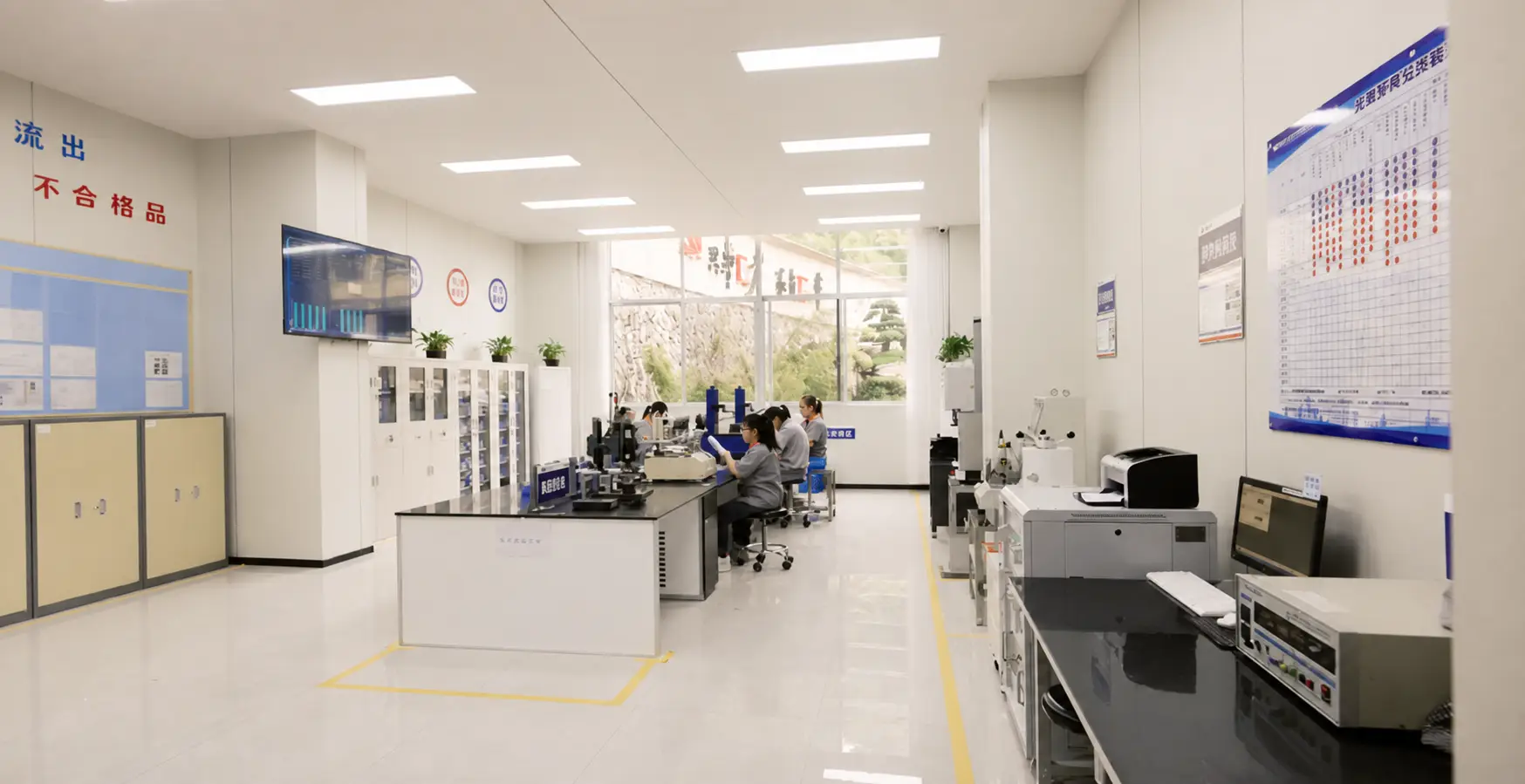
Operating under the IATF 16949 automotive quality management system**, we implement a three-stage quality framework of planning, control and continuous improvement with PDCA closed-loop management. Backed by our in-house reliability lab and high-precision testing equipment, quality control runs through the entire workflow: supply chain incoming inspection (IQC), in-process monitoring (IPQC), final product testing (FQC) and outgoing quality audit (OQC).

NdFeB Bar Magnet Release Checkpoints
Inspection Item Control Method Core Value
Bar dimensions, edges & appearance Based on the approved drawing and inspection specification, key length, width, thickness, and tolerance requirements are verified. Particular attention is given to straightness, flatness, end-face perpendicularity, mounting-feature accuracy, edge chamfers, and visual-defect acceptance criteria. Ensures fit, alignment, and interchangeability in precision assemblies while maintaining consistent dimensional and cosmetic quality in volume production.
Surface condition & protection Before packaging, each batch is checked for surface-protection condition, including plating or coating thickness, adhesion, and coverage. Edges and end faces of long bar magnets receive particular attention, and the applicable corrosion-reliability test reports are reviewed. Supports corrosion resistance and structural stability under the intended operating conditions, reducing the risk of early performance loss or demagnetization caused by coating failure.
Packaging & shipment identification Packaging protection is confirmed against the delivery instructions. Product labels, batch traceability information, quantity records, packing lists, material certificates, inspection reports, and other agreed shipment documents are checked before dispatch. Supports receiving inspection, warehouse management, and full-life traceability while reducing communication errors and material-mix-up risks.

Release Baseline

All release inspections and decisions are based on the current approved drawing, product specification, and special order requirements. Products with an undefined technical status are not released.

Sample Reference

For projects with approved samples, batch release references the agreed acceptance criteria of the approved retained sample. This helps maintain consistency in dimensions, magnetic properties, and surface condition throughout volume production.

Dispatch Preparation

Before dispatch, final verification confirms that product identification, packaging details, and shipment documents fully match the agreed delivery instructions. Shipment is arranged only after the information has been confirmed as correct.

Application Fit

Where NdFeB Bar Magnets
Support OEM Assemblies

NdFeB bar magnets are rectangular neodymium magnets used where a flat, linear or mounting-oriented magnetic form is required. The appropriate bar profile depends on the working air gap, installation direction, magnetic field requirement and conditions of the finished assembly.

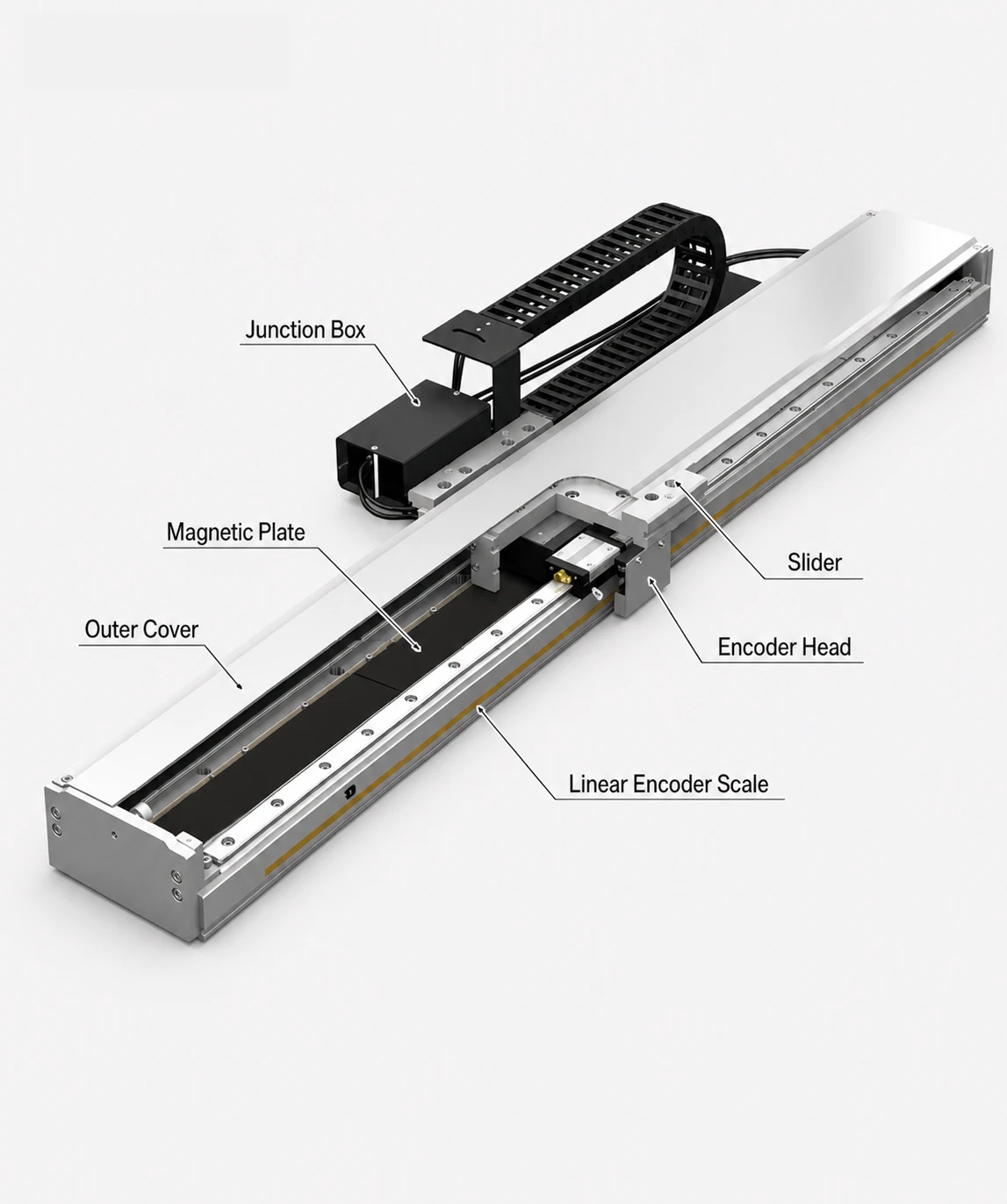
Linear Motion and Positioning Systems Application

Linear Motion & Positioning Systems

For linear actuators, positioning equipment and motion-control assemblies, bar length, mounting reference, magnetization direction and working air gap are considered together.

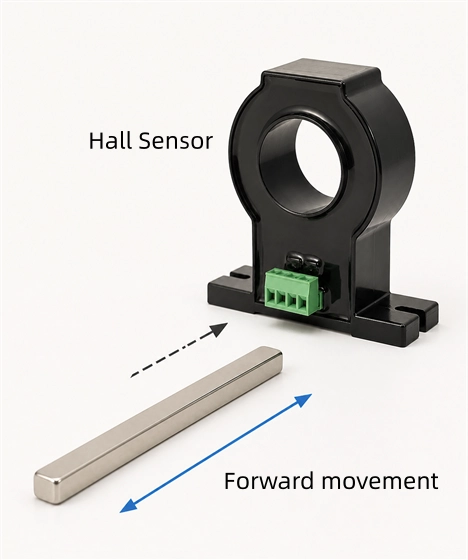
Sensors, Switches and Detection Modules Application

Sensors, Switches & Detection Modules

For magnetic sensors, reed-switch devices and detection modules, the bar magnet is specified around sensing distance, installation position, polarity orientation and surrounding component materials.

Electromechanical Actuator Assemblies Application

Electromechanical Actuator Assemblies

For latching, switching and actuator mechanisms, rectangular neodymium magnet dimensions, magnetic force requirements and the mating mechanical interface are reviewed for the intended movement.

Industrial Fixtures and Magnetic Holders Application

Industrial Fixtures & Magnetic Holders

For industrial holding, positioning and fixture assemblies, bar geometry, contact arrangement, surface condition and handling requirements are defined according to the project design.

REPEAT-ORDER CONTINUITY

Keeping NdFeB Bar Magnet
Programs Aligned Over Time

For repeat-order NdFeB bar magnet programs, later requirements can be compared with the current approved drawing, agreed product specification and established delivery instructions. Any change affecting the rectangular magnet, its installation or order plan should be reviewed before the next batch is arranged.

NdFeB Magnet Storage Warehouse

Assembly Feedback Intake

Feedback related to fit, orientation, product identification, packaging or handling can be checked against the existing NdFeB bar magnet project record.

Change Management

Updates to bar length, width, thickness, magnetization, surface condition, mounting features or operating conditions should be assessed before a new production instruction is issued.

Repeat-Order Coordination

Forecast quantity, shipment timing, packaging format and identification requirements can be reconfirmed for a subsequent supply cycle.

Customer and industry presence

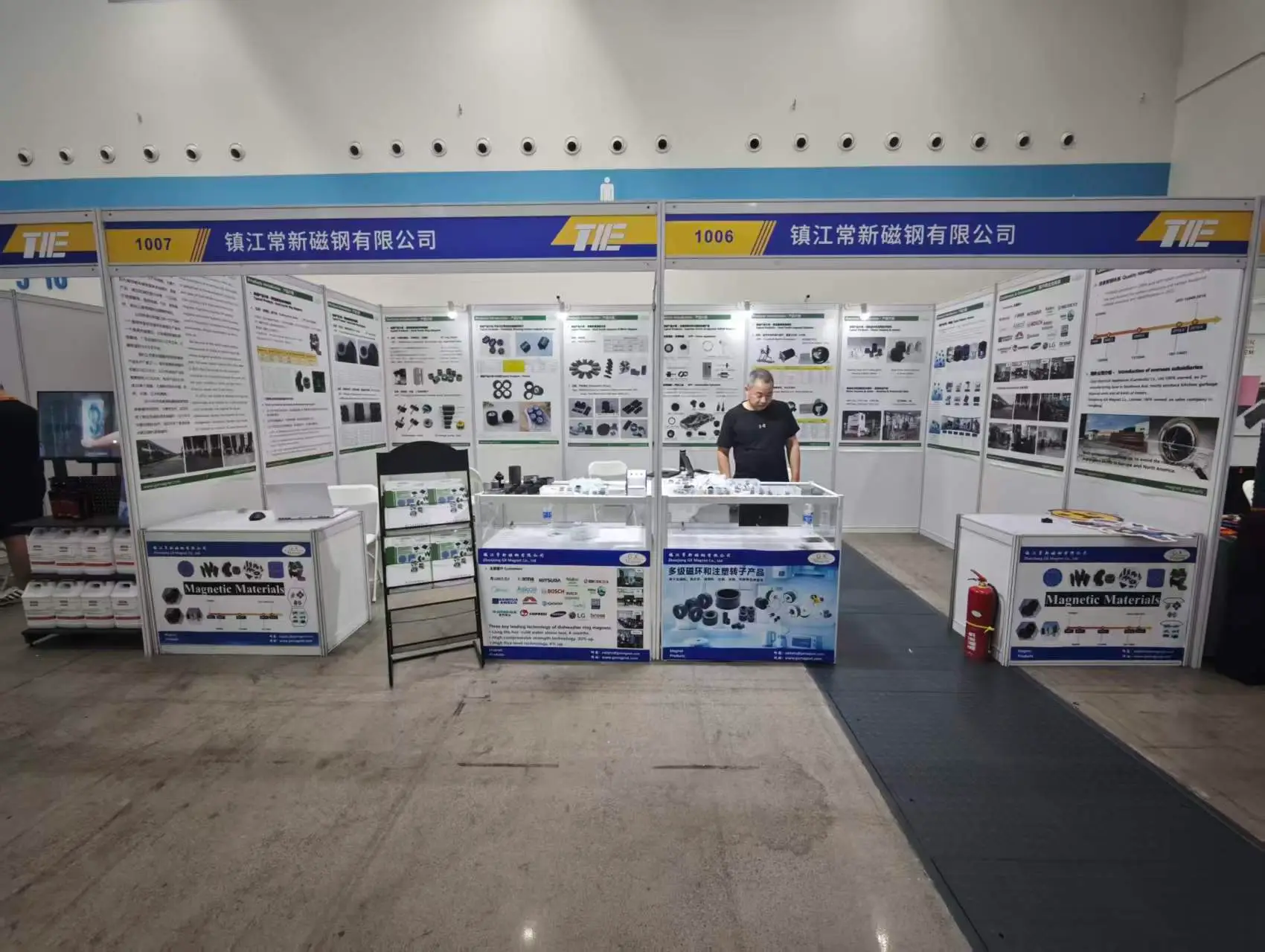
Neodymium Bar Magnet Samples Displayed for OEM Project Discussions

GX Magnet presents Neodymium Bar Magnets and related NdFeB magnet components at magnetic-material and motor-component industry events. These exhibitions give engineering and sourcing teams a direct view of our product forms, machining capability, surface options and drawing-based project approach.

NdFeB Bar Magnet Exhibition Display

NdFeB Bar Magnet Procurement FAQ

Practical answers for OEM buyers sourcing rectangular neodymium bar magnets.

What is the difference between an NdFeB bar magnet and an NdFeB block magnet?
Both are rectangular neodymium magnets. “Bar magnet” usually describes a longer rectangular profile, while “block magnet” is a broader term that can include rectangular, square or cube-like forms. The customer drawing should define the required length, width and thickness.
How should an NdFeB bar magnet size be specified?
Provide the length, width and thickness in the required unit, together with edge details, critical tolerances and mounting references. The magnetization direction should be stated separately; it is not automatically determined by the three dimensions.
Can a neodymium bar magnet be magnetized through its length, width or thickness?
The required direction depends on the intended magnetic field and assembly orientation. Through-thickness magnetization is common for rectangular magnets, while lengthwise or widthwise directions may be required for specific projects. The required orientation should be reviewed against the drawing and magnetic circuit.
What information is needed for an NdFeB bar magnet RFQ?
Send the drawing or length × width × thickness, magnetization requirement, material grade or magnetic target, operating conditions, surface requirement, application context and expected quantity. This gives GX a clearer basis for project review and sampling.
Should coating and packaging be included when ordering rectangular neodymium magnets?
Yes. State any required surface condition, expected operating environment, handling method and packaging preference. These items can affect the project review, sample scope and delivery preparation.
Does a longer NdFeB bar magnet always provide more magnetic force?
No. Magnetic behavior depends on the complete geometry, material requirement, magnetization direction, working air gap, opposing material and the final magnetic circuit. Length alone cannot define the installed result.
Where can I buy high-quality NdFeB bar magnets for experiments?
Buy NdFeB bar magnets from a specialist permanent-magnet supplier that can identify the material grade, dimensions, tolerances, magnetization direction, coating and magnetic acceptance criteria. Product quality should not be judged only by an advertised pull-force value. GX supports drawing-based samples for engineering experiments and prototype validation. For an enquiry, provide the required length, width, thickness, operating temperature, magnetization direction, coating, quantity and target magnetic output or test method.
What are the different types of bar magnets and their uses?
Bar magnets can be classified by material, geometry and magnetization direction. NdFeB bar magnets provide high magnetic output in a compact volume and are commonly used in sensors, motors, actuators and industrial fixtures. Ferrite bar magnets offer an economical option with good corrosion resistance. SmCo bar magnets are selected for demanding temperature or environmental conditions, while AlNiCo bars are used in instruments and educational applications. NdFeB versions can also be supplied as rectangular, thin, long, coated or drawing-defined configurations.
How does the magnetic field of a bar magnet work?
A magnetized bar magnet has north and south poles determined by its magnetization direction. Outside the magnet, the magnetic field extends from the north pole toward the south pole and forms a closed magnetic circuit through the magnet. Field intensity is normally highest near the pole surfaces and decreases with distance. For a rectangular NdFeB bar magnet, magnetization may be defined through its length, width or thickness. The resulting field also depends on the material grade, dimensions, air gap and nearby ferromagnetic components.
How do I choose the right size of bar magnet for my project?
Begin with the available installation space, working air gap and required magnetic output at the operating position. Length, width and thickness influence the magnetic circuit differently, so a larger magnet does not automatically provide the best result. Material grade, magnetization direction, operating temperature, mating steel components and assembly clearances must also be considered. For demanding applications, the proposed size should be evaluated through magnetic-circuit analysis, simulation or sample testing under representative assembly conditions.
Are neodymium bar magnets safe to use around electronics?
Neodymium bar magnets can be used around many electronic assemblies, but appropriate separation and handling controls are required. Their static magnetic fields may interfere with Hall sensors, reed switches, compasses, speakers, magnetic encoders and magnetic-storage media. Strong magnets may also affect implanted medical devices, so the equipment manufacturer’s safety guidance must be followed. The appropriate separation distance depends on the magnet size, magnetization direction, field strength and sensitivity of the nearby device; there is no single safe distance for every application.

Need further technical assistance with your magnetic circuit design?

Let's Discuss Your Project

Reach out to our engineering and sales team for technical consultations, customized quotes, or factory audit requests. We typically respond within 24 hours.