
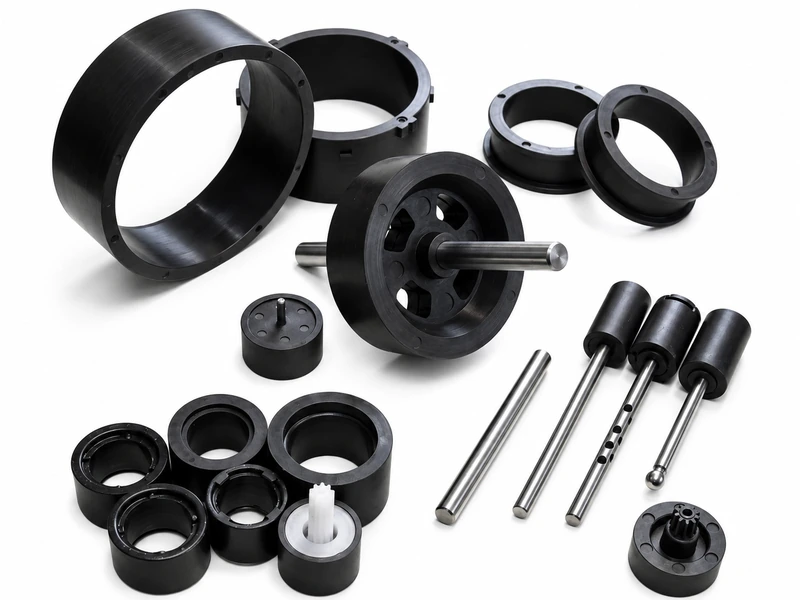
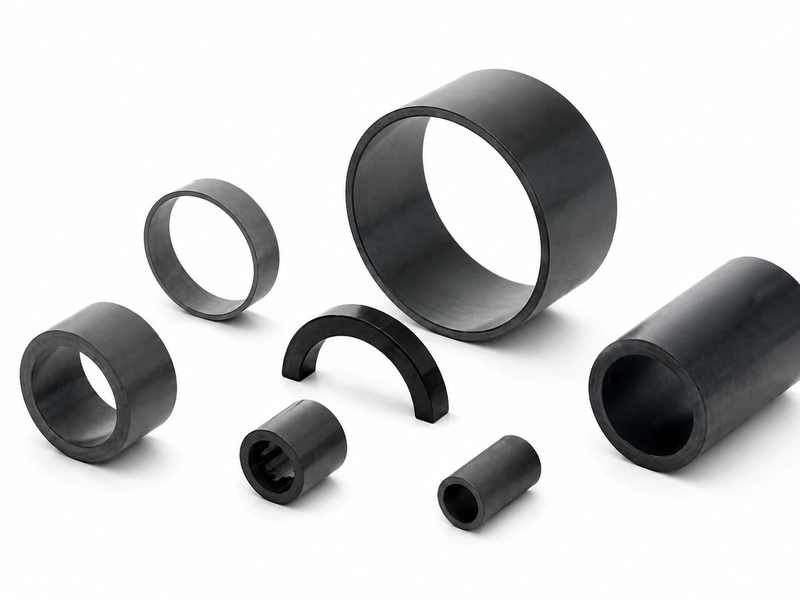
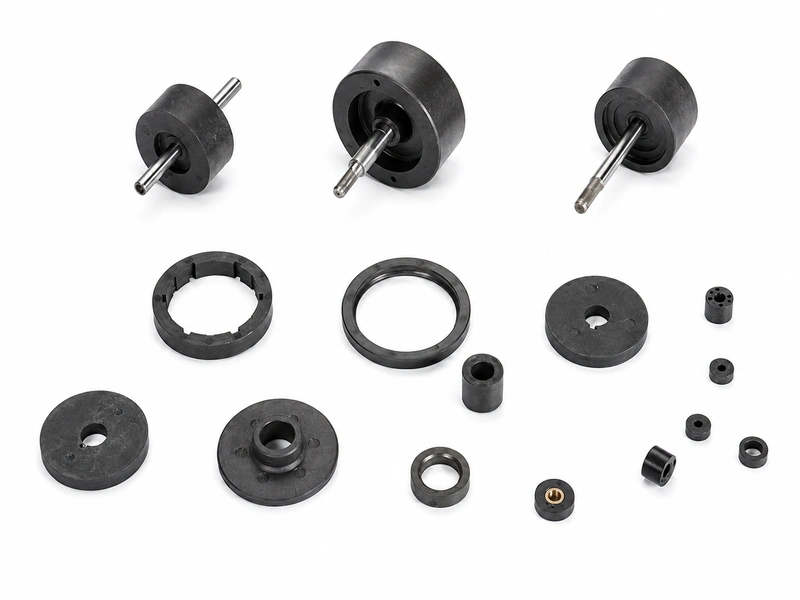
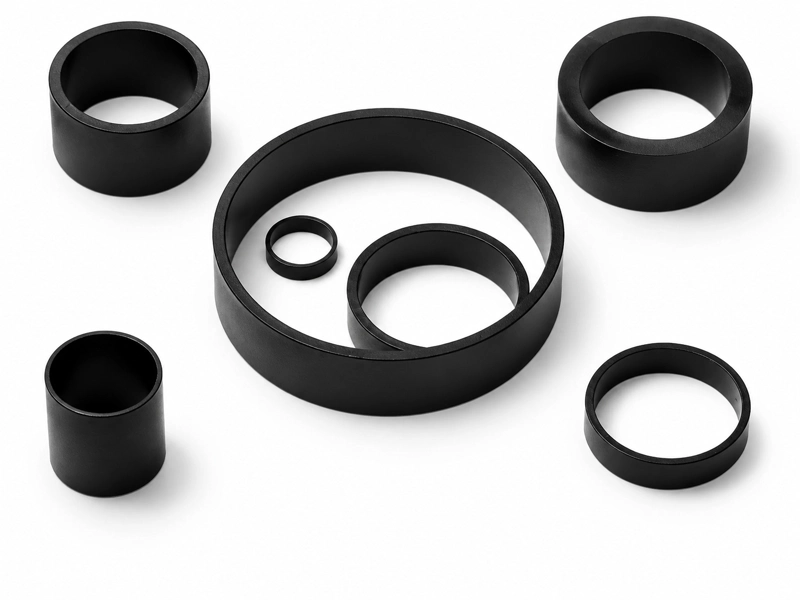
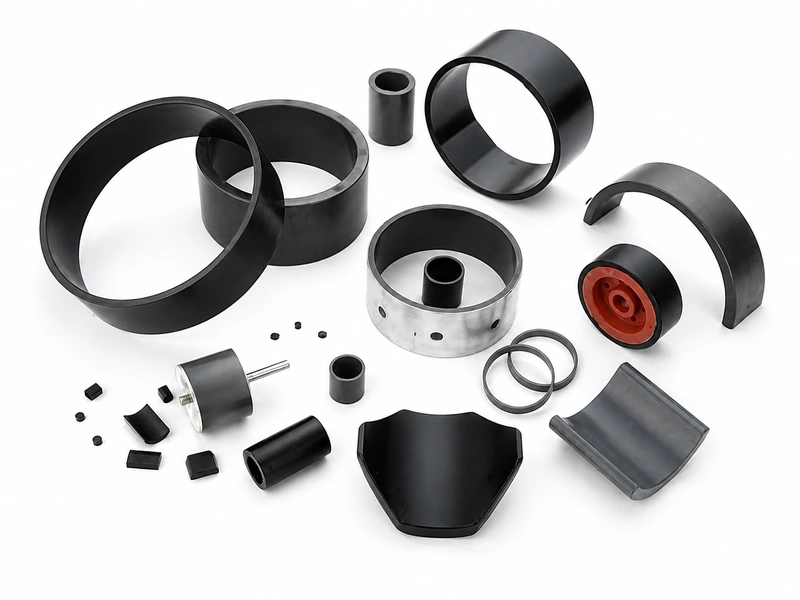
Injection‑Molded Components
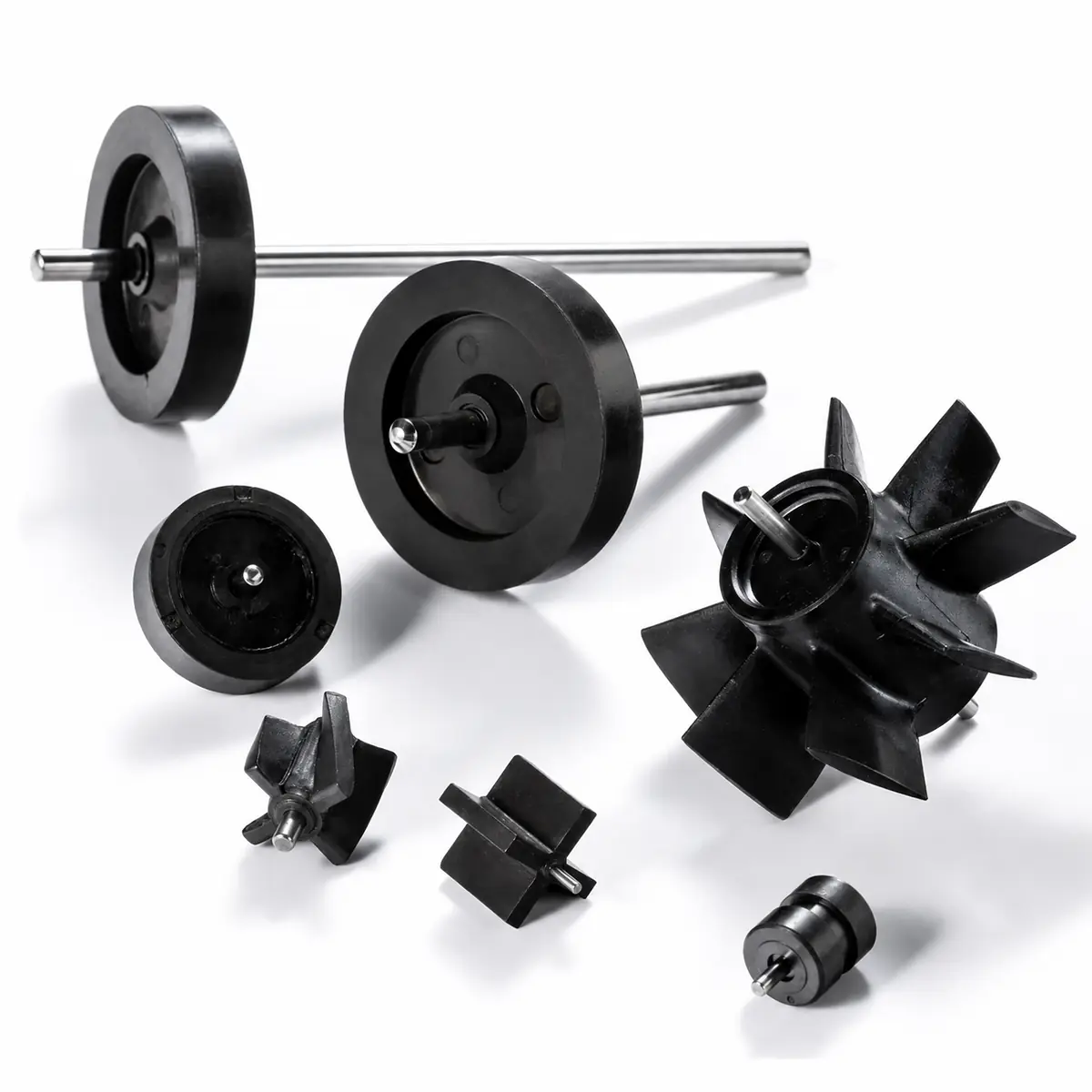
GX precision insert overmolding supports 1.0mm thin walls, complex bores and integrated shafts / splines. 5000–7000Gs multi-pole magnetization in one shot, no cracking, gluing or secondary machining.
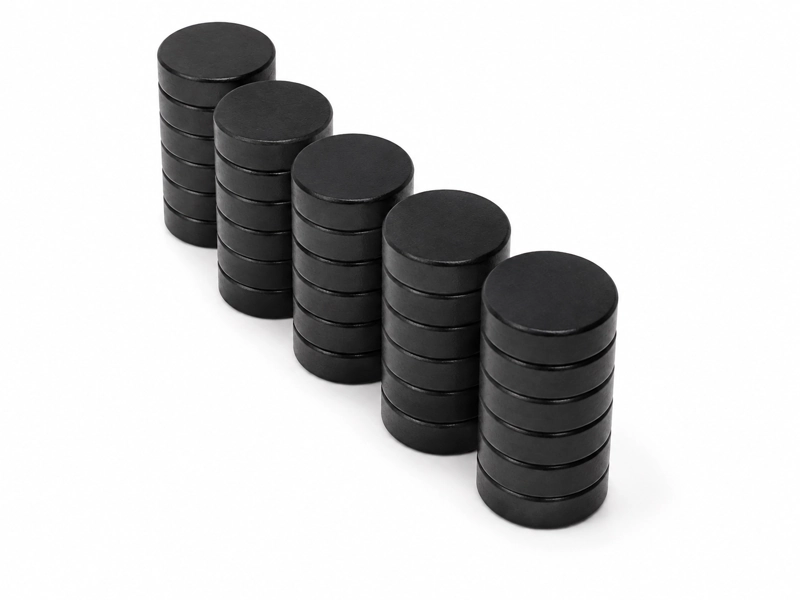
Bonded NdFeB Magnet
GX Magnet supplies custom bonded NdFeB magnets through injection-molded and compression-bonded routes. The forming method is selected from the drawing, magnetic target, tolerances, operating environment and production requirement—not from the product name alone.
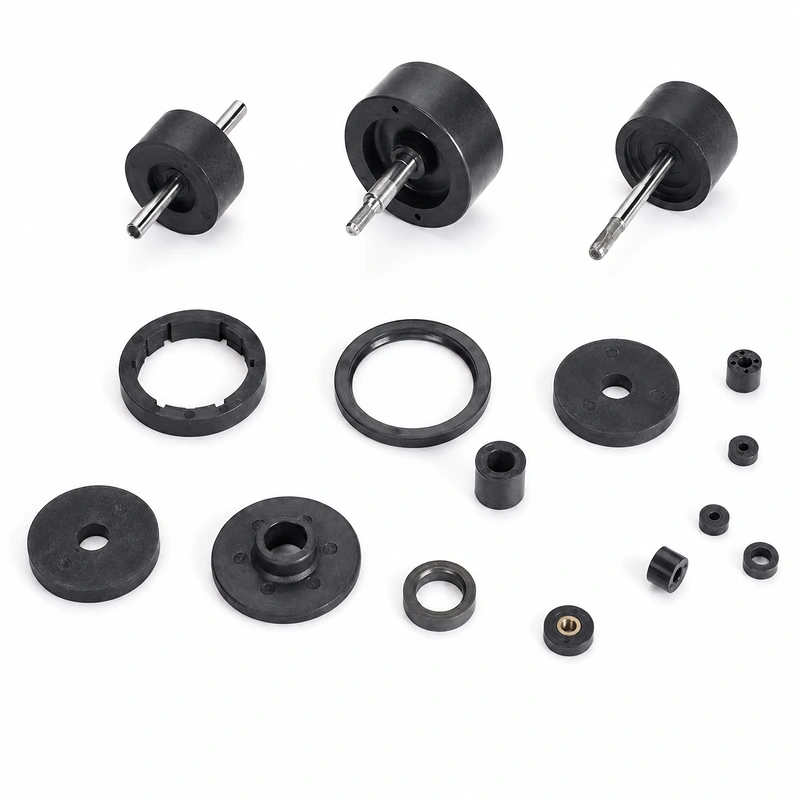








BEFORE QUOTATION
Submit one controlled RFQ package covering the forming route, material system, drawing interfaces, finished-part magnetic output, operating conditions, tooling terms and release records. GX uses these inputs to confirm manufacturability, sampling and recurring-production controls.
PRODUCT SELECTION
Compare the magnetic material, forming route and component geometry before selecting a product page. Injection molding supports complex features and insert integration, while compression bonding is generally used for simpler geometries requiring higher magnetic-powder loading.
Why choose us for your project
Choosing bonded NdFeB by catalog Br alone often leads to misaligned processes, poor geometry fit and costly rework. GX evaluates magnetic performance, part geometry, insert interfaces, operating temperature and production volume before tooling. Our injection grade delivers stable 5000–7000Gs Br, balancing magnetic output and integrated molded features.

GX precision insert overmolding supports 1.0mm thin walls, complex bores and integrated shafts / splines. 5000–7000Gs multi-pole magnetization in one shot, no cracking, gluing or secondary machining.
GX high-density compression formula maximizes flux density. Delivers Br up to 7400Gs for rings and discs, ideal for high-flux projects prioritizing magnetic performance.
GX grades PA12 / PPS binders for moisture, chemical and dimensional stability. Fully validated for -40°C~120°C continuous operation, proven for automotive and industrial mass production.
Why choose us for your project
Catalog Br values alone are not enough to define the optimal forming process. Standard injection-bonded NdFeB covers Br 0.35–0.65T, Hcj 600–1200kA/m and (BH)max 4–10MGOe. GX jointly evaluates material targets, part geometry, binder type, pole pattern, operating conditions and acceptance criteria to lock in full feasibility before tooling.
GX precision molding supports drawing-defined walls down to 0.3mm, complex bores, locating features, integrated shafts/sleeves and 2–64 pole patterns. GX pre-evaluates compound flow, insert geometry and magnetizing fixture design to confirm feasibility upfront.
GX high-density compression process delivers 5.5–6.2g/cm³ powder density — significantly higher than 3.4–5.5g/cm³ for injection grades. Ideal for rings, discs and press-compatible parts where maximum flux density is prioritized.
GX matches PA12, PA66 and PPS binders to your application, validated for moisture, refrigerant, oil, chemical resistance and dimensional stability. Operating range 100–150°C, tailored to binder grade, magnet material, geometry and magnetic circuit.
Why choose us for your project
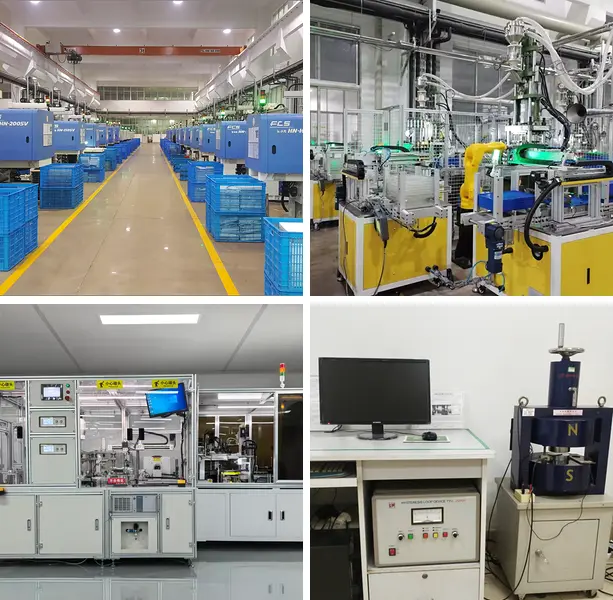
A sample may pass initial magnetic targets but still fail in final assembly due to insert offset, molding shrinkage, moisture-driven dimensional shift or pole position error. GX aligns compound formulation, datum system, tooling and magnetizing fixture to guarantee consistent finished-part performance.
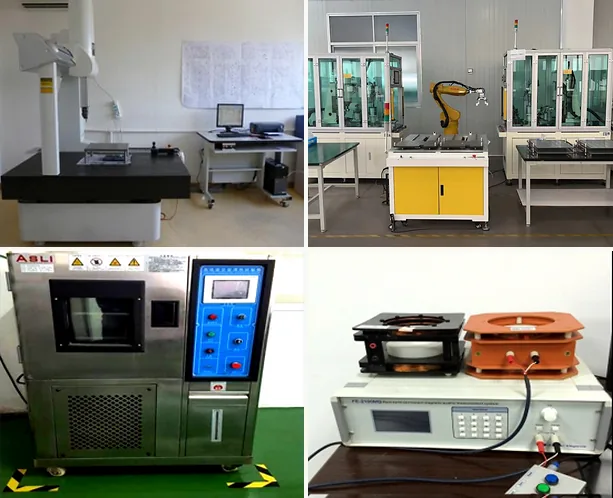
GX validates PA12 / PPS compounds against long-term & peak temperature, moisture, coolant, refrigerant and all drawing-specified operating media.
GX verifies insert position, mating dimensions, runout, pull-out force and transmitted torque against the released datum scheme for assembly compatibility.
GX inspects pole count, polarity, position and pole-to-pole output at specified air gap, fixture and temperature for consistent in-circuit performance.
Product and supply scope
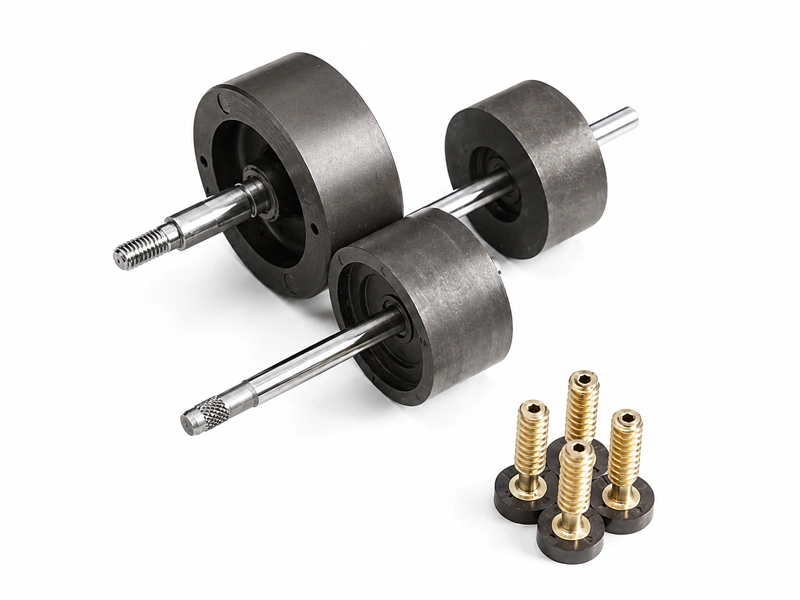
A bonded NdFeB magnet combines NdFeB magnetic powder with a polymer binder. Injection molding supports thin sections, complex net shapes, molded locating features and integrated inserts; compression bonding supports press-compatible rings, discs and other regular geometries with a different magnetic-powder density and tooling envelope.
GX supplies both routes to customer drawings. The forming process, binder, geometry, magnetization and inspection method are selected together; automotive injection-molded components are qualified separately from compression-bonded magnets and non-automotive parts.
Drawing variables
Route selection starts with the finished component: its shape, integrated interfaces, magnetic circuit, operating environment and mass-production requirements. GX matches the optimal process with verified performance data.
Technical parameters for quotation
Published material data supports compound and forming-route selection. As industry references, injection-molded bonded NdFeB typically contains approximately 65–90 wt% magnetic powder with a density of 3.4–5.5 g/cm³, while compression-bonded grades commonly reach 5.5–6.2 g/cm³. Finished-part dimensions, magnetic output, mechanical retention and environmental limits are released only against the approved drawing and agreed test conditions.
| Parameter group | Project-specific review basis | Release basis |
|---|---|---|
| Material / forming route | Select injection molding for thin walls, complex bores and molded-in shafts or sleeves; select compression bonding for press-compatible rings and discs requiring higher magnetic-powder density. Review the approved compound, NdFeB grade, orientation and PA12, PPS or other binder system. | Approved compound code, binder and forming route. Br, Hcb, Hcj and (BH)max are reported at 20°C when required by the specification. |
| Geometry and tolerances | Define OD, ID, wall thickness, holes, datums, insert position and critical fits. Automotive insert-molded components commonly use project targets of ±0.02–0.05 mm for critical dimensions and 0.02–0.03 mm for coaxiality or runout, subject to part size and geometry. | Released drawing, agreed datum scheme and first-article dimensional report. |
| Magnetic requirement | Industry reference ranges for injection-molded bonded NdFeB include Br of approximately 0.35–0.65 T, Hcj of 600–1,200 kA/m and (BH)max of 4–10 MGOe. Finished-part flux, surface field, pole position and waveform remain geometry- and circuit-dependent. | Acceptance limits released with the measurement point, air gap, fixture, magnetization condition and temperature defined. |
| Mechanical interface | Define the shaft, sleeve, hub, insert or adhesive interface together with pull-out force, transmitted torque and retention method. Some small automotive rotor programs use reference targets of ≥50 N pull-out force and ≥0.5 N·m transmitted torque, depending on shaft diameter and insert design. | Released interface drawing and agreed pull-out, torque, retention or runout test method. |
| Operating environment | Bonded NdFeB operating-temperature references are commonly 100–150°C, depending on magnetic grade, binder, geometry and magnetic circuit. Specify long-term and peak temperature together with moisture, refrigerant, oil, coolant or chemical exposure. | Approved validation cycle stating temperature, exposure medium, duration, sample condition and pass criteria. |
| Inspection and release | Define FAI characteristics, magnetic acceptance, sampling frequency and lot-based SPC records. Where contractually required, automotive programs commonly specify Cpk ≥1.33, or ≥1.67 for selected special characteristics. | Approved control plan, lot-release records and the customer-required PPAP submission level. FAI, SPC and Cpk are production-quality records rather than default third-party tests. |
| Supply and tooling boundary | Confirm whether the quotation covers the magnet only or an insert-molded component, including metal inserts, magnetization and inspection. State sample quantity, annual demand, tool ownership, expected tool life and maintenance responsibility before tooling release. | Quotation, tooling agreement, released drawing and approved project documentation. |
Project route
Injection molding and compression bonding follow different forming windows, but both routes connect the approved compound, tooling, magnetization and inspection method to the released component.
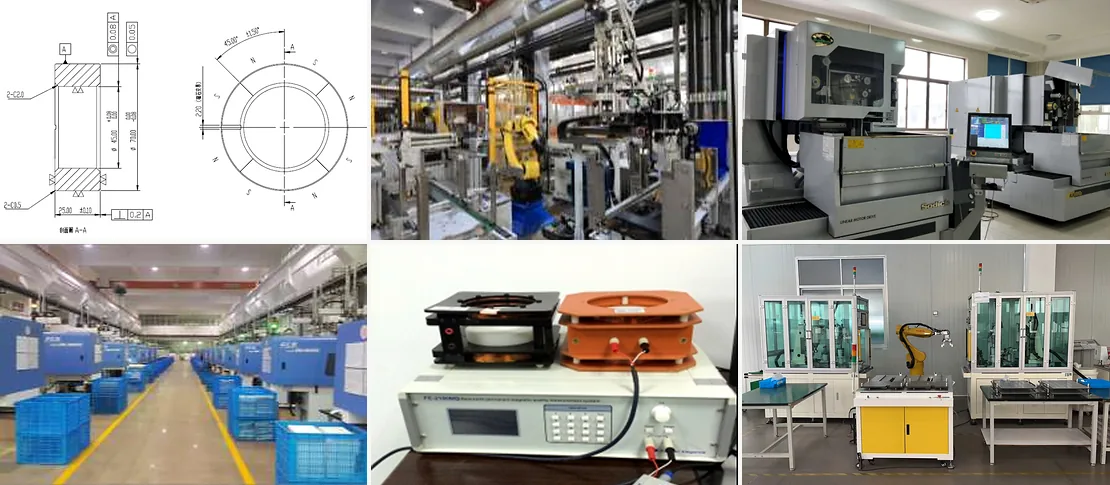
Geometry, interfaces, magnetic function, temperature, media exposure and demand are reviewed together.
Injection or compression bonding and the proposed binder are selected from geometry, integration and operating duty.
Datums, shrinkage, insert loading, magnetizing access, gauges and acceptance methods are agreed before tooling.
The approved compound is formed, post-processed where specified and magnetized to the released pole pattern.
Critical dimensions, insert position, appearance and magnetic output are recorded under defined conditions.
Approved revisions, control-plan checks, applicable SPC and lot records govern recurring production.
Verification
The inspection plan links material identity, formed geometry, integrated interfaces and magnetic output to the same approved drawing and measurement conditions.
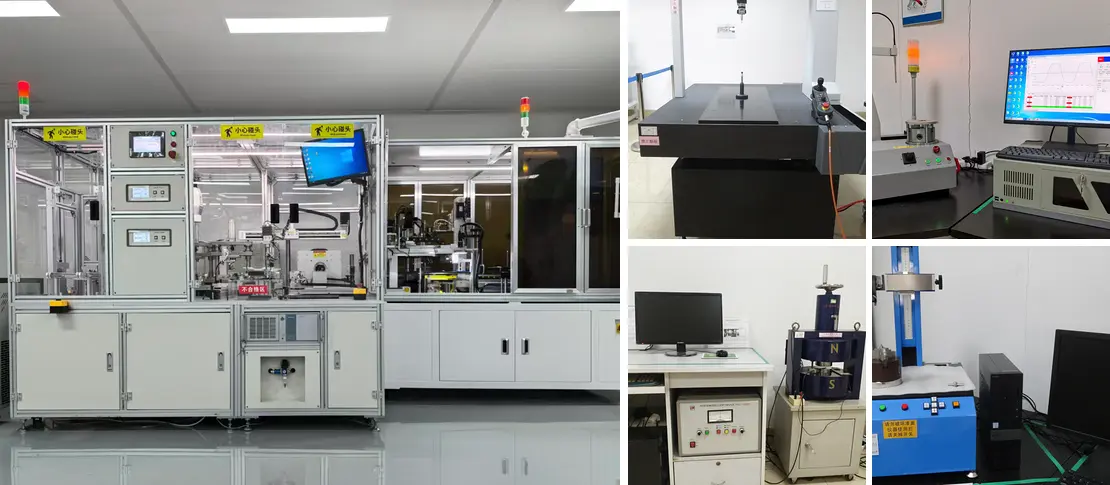
| Inspection item | Control approach | Why the buyer needs it |
|---|---|---|
| Material and revision | Compound identity, binder, drawing revision and tooling status confirmed for the inspected lot | Prevents unapproved material or process changes |
| Dimensions and inserts | Critical fits, datums, insert position, coaxiality or runout checked by the agreed method | Controls assembly fit, working gap and mechanical location |
| Pole pattern | Polarity, pole count, pole sequence and pole position verified against the orientation drawing | Reduces commutation, sensing and installation errors |
| Finished magnetic output | Flux, surface field or waveform measured at the specified position, air gap, fixture and temperature | Confirms the finished part rather than catalog typical values alone |
| Mechanical and appearance | Retention, torque or pull-out checks where specified; flash, surface and edge criteria follow the approved standard | Reduces loosening, contamination and assembly interference |
Automotive application fit
These automotive examples apply to the injection-molded route. Each component is released from its mating interface, pole pattern, operating environment and project-specific validation plan.
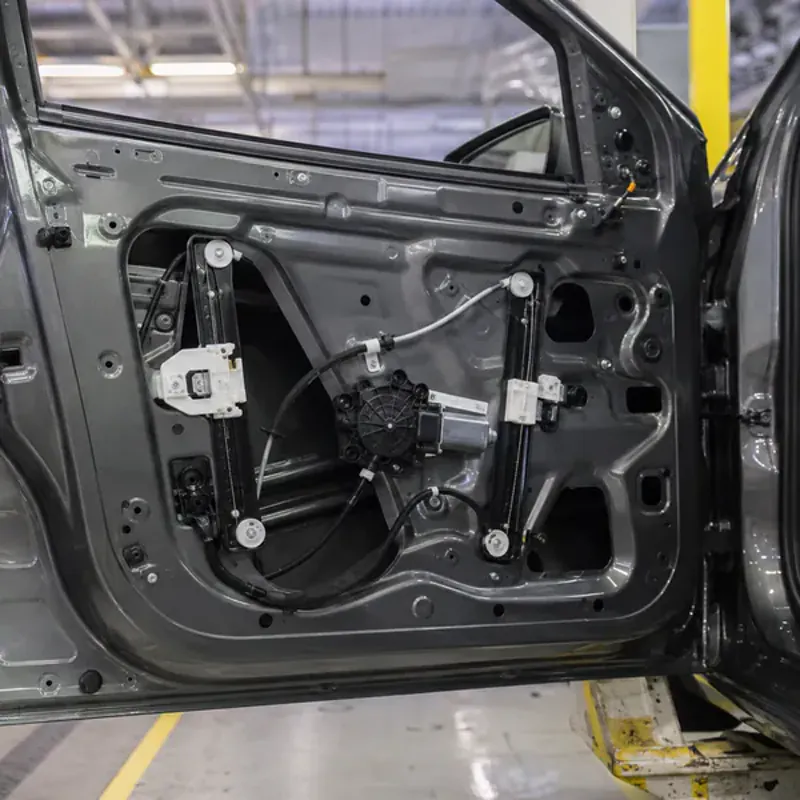
Door-lock motor rings and steering sensor targets require controlled bore or spline fit, dimensional stability and repeatable pole position. GX reviews PA12 or PPS, the shaft interface, working air gap and waveform method before sample approval.
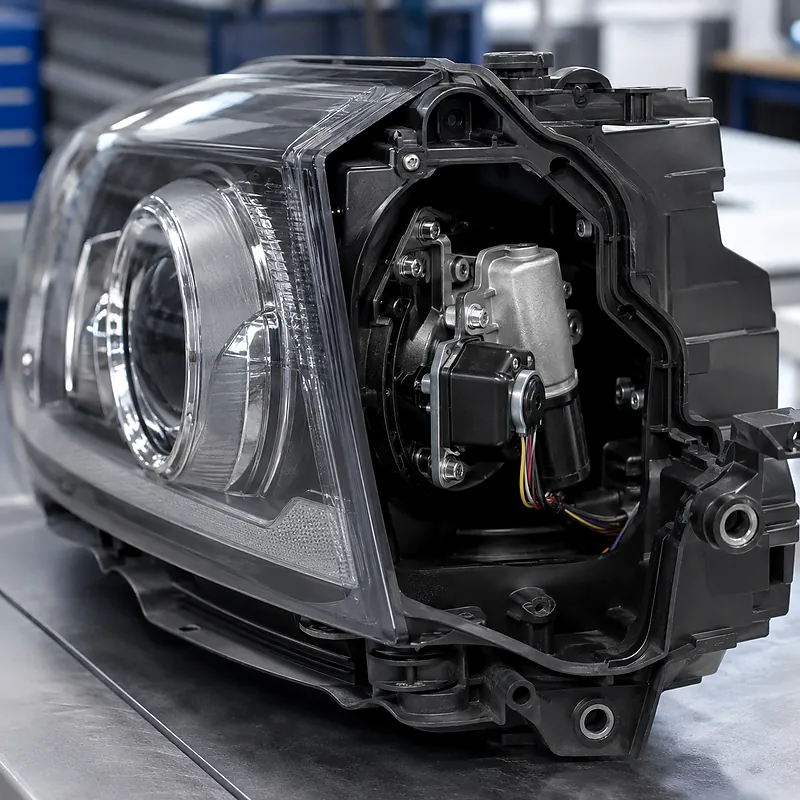
Headlamp adjustment rotors combine a multipole pattern with an integrated shaft or insert. PPS-based compounds, insert position, runout, retention and pole-to-pole output are evaluated for the released temperature duty.
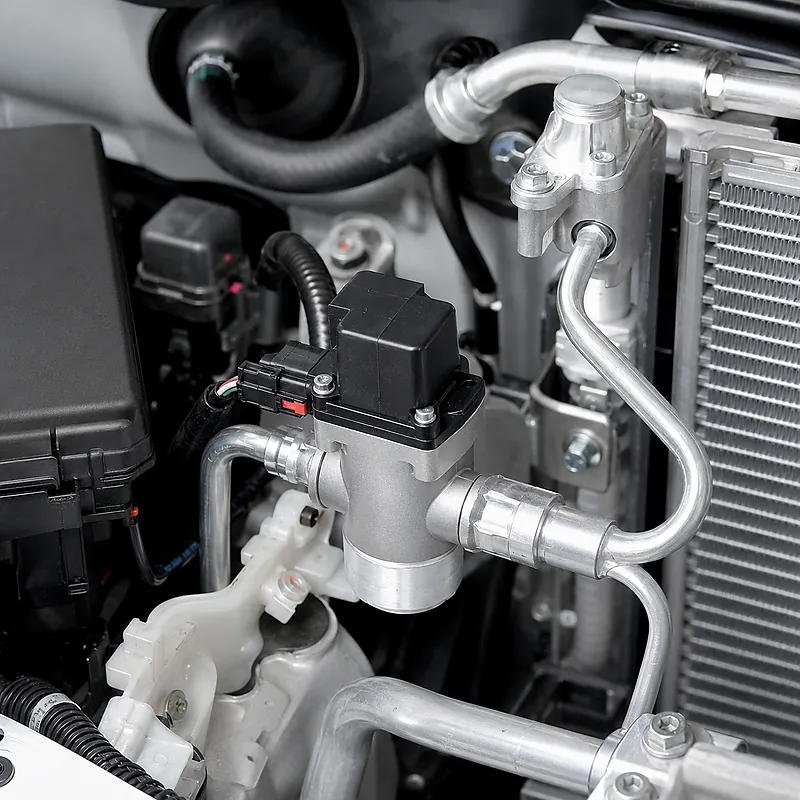
Expansion-valve rotors require stable insert coaxiality, multipole output and cleanliness in refrigerant and oil exposure. Compound compatibility, insert position, particles and magnetic acceptance are defined in the validation plan.
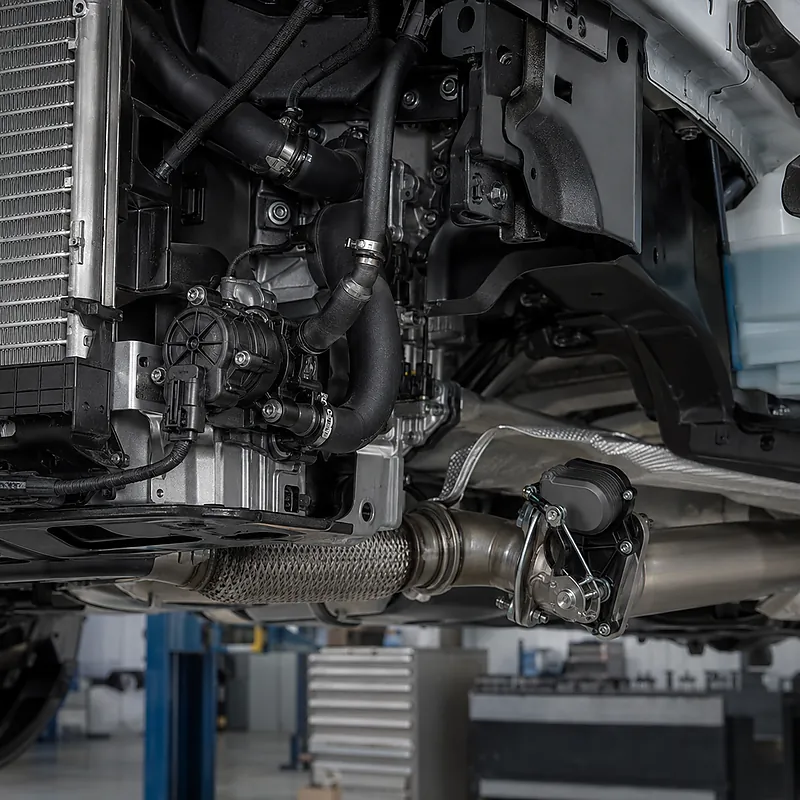
These rotors are reviewed for elevated temperature, coolant or exhaust exposure, transmitted torque and demagnetizing conditions. PPS selection, insert retention and finished-part magnetic output follow the released duty cycle.
Automotive quality-system support
GX applies its IATF 16949 quality system to approved compounds, drawing revisions, sample results, project-defined inspection and recurring lot release.
Compound batch, binder, drawing revision, tooling status and magnetizing setup are linked to the applicable production records.
First-article dimensions, insert position and magnetic output are recorded; applicable SPC or capability data follows the agreed control plan.
PPAP records are prepared according to the required submission level and GX responsibility, including PFMEA, control plan, dimensional and performance evidence where applicable.
The exact inspection frequency, sample size, capability requirement, reliability report and PPAP content are confirmed in the quotation, released specification and customer approval plan.
Buyer communication
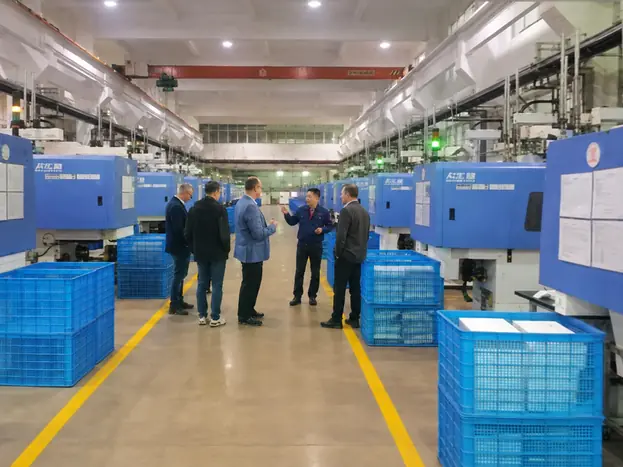
GX Magnet uses industrial exhibitions to present magnetic materials, molded components and motor-part capabilities to OEM buyers, engineers and sourcing teams.
Bring a drawing, mating-component information or a magnetic-function question. The discussion can identify the material route, interface risks and RFQ information needed before formal engineering review.
Compare geometries, inserts and product forms before choosing the quotation route.
Review pole patterns, interfaces, environment and validation expectations.
Plan drawing review, sample approval, inspection evidence and recurring communication.
Engineering and sourcing FAQ
These questions separate injection and compression bonding, define automotive component risks and establish the evidence required for sample and recurring-production release.
Injection molding supports thin walls, complex bores, molded locating features and integrated inserts. Compression bonding suits press-compatible rings and discs requiring higher magnetic-powder density. Sintered NdFeB follows a separate high-density route with different machining, coating and assembly requirements. Select from the finished geometry, magnetic circuit, operating duty and production volume.
Review long-term and peak temperature, moisture, dimensional stability, refrigerant, oil, coolant or other specified media. PPS is evaluated for elevated-temperature and demanding media programs; PA12 can support other molded automotive components. The exact compound and operating limit require project approval.
Control the dimensions that establish mating fit, working air gap and mechanical location: critical OD or ID, bore or spline, datums, insert position, coaxiality and runout. Pull-out force, transmitted torque or retention should be specified only with the insert geometry and agreed test method.
Provide magnetization direction, pole count, polarity sequence, working face and pole-position requirement. Define whether acceptance uses flux, surface field or waveform and state the measurement position, air gap, fixture and temperature.
State the media type, concentration or oil combination where applicable, exposure temperature, duration and pass criteria. Dimensional change, weight change, cracking, particle release and magnetic output can then be evaluated under the approved validation plan rather than from a universal temperature claim.
The approved compound, drawing revision, tooling status, magnetizing setup and inspection method are linked to production records. Finished-part limits are checked using the defined fixture and measurement conditions, with applicable SPC and lot-release records included in the agreed control plan.
Send the 2D/3D drawing and revision, application, injection or compression route if known, binder or environmental duty, critical interfaces, pole pattern, magnetic acceptance method, sample and annual demand, tooling boundary and required PPAP submission level.
Agree the drawing revision, compound, tooling state, FAI characteristics, magnetic test method, reliability scope and any permitted deviation before release. PPAP records are prepared according to the customer-required level and GX responsibility; recurring lots then follow the released specification and control plan.
Request for quotation
Submit one project package covering the forming route, material system, interfaces, magnetic acceptance, operating duty, tooling boundary and required automotive release evidence.