
Powder Formula & Pre‑sintering Parameters
Tune raw‑material proportion and rotary‑kiln temperature profile according to target magnetic property, operating temperature and end‑use application scenarios.
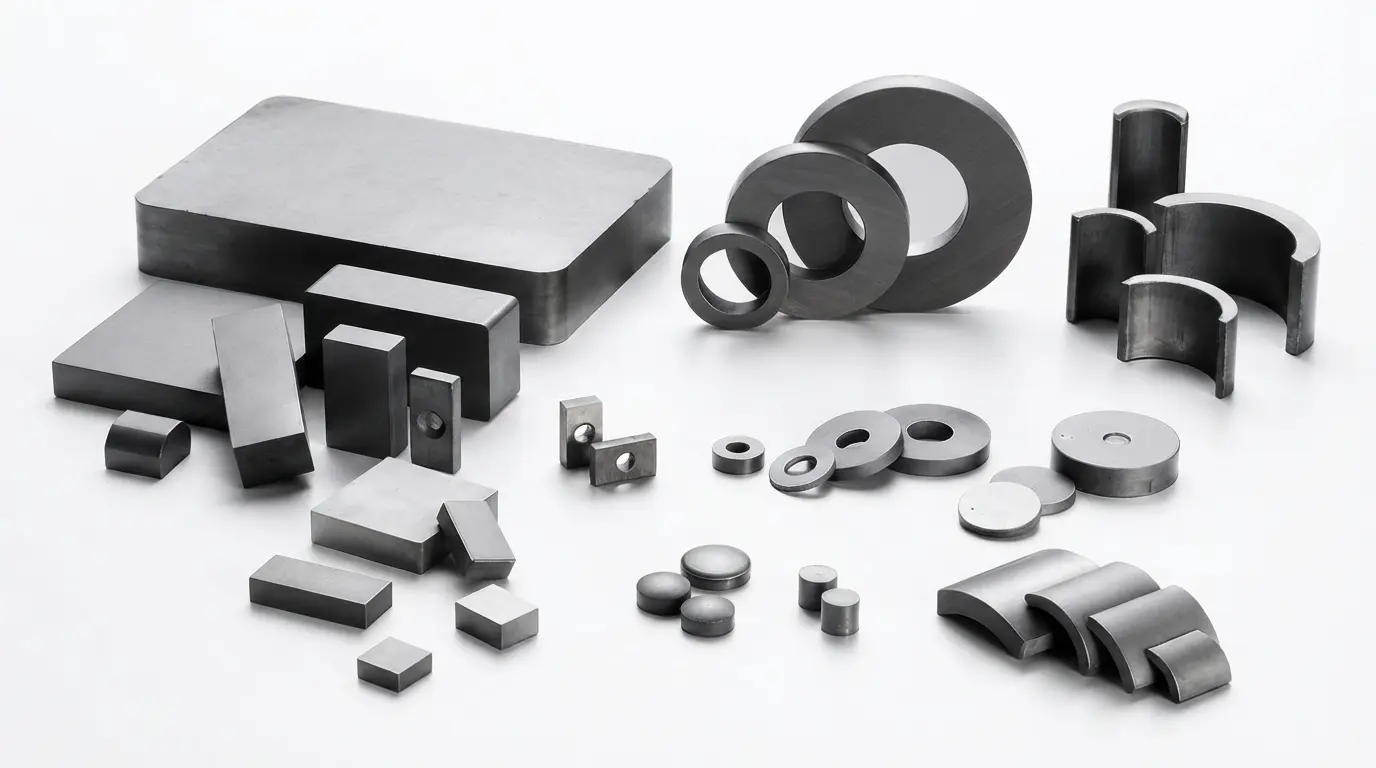
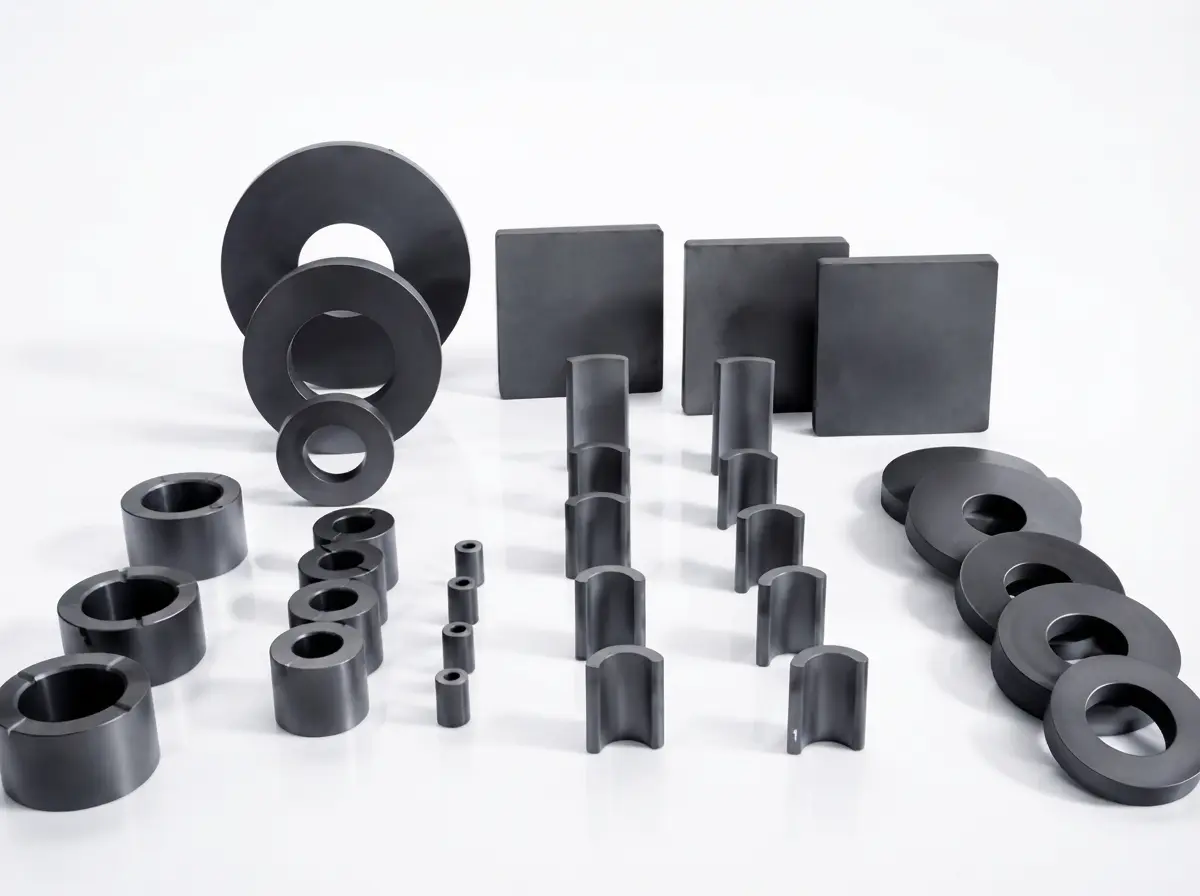
GX manufactures sintered ceramic ferrite magnets in rings, arcs, blocks and other drawing-defined geometries for motors, household appliances, automotive systems and industrial equipment. Material grade, dimensions, magnetic orientation and magnetization requirements are reviewed against the customer’s assembly interface and operating conditions.
GX manufactures drawing-defined ferrite magnets and motor components for appliance, automotive, pump and industrial motor applications.










Before quotation
Procurement and engineering should release one consistent input package. A product name or nominal size does not define a manufacturable and inspectable part.
A comprehensive range of ceramic ferrite magnets designed for motor, automotive, home appliance and industrial applications.
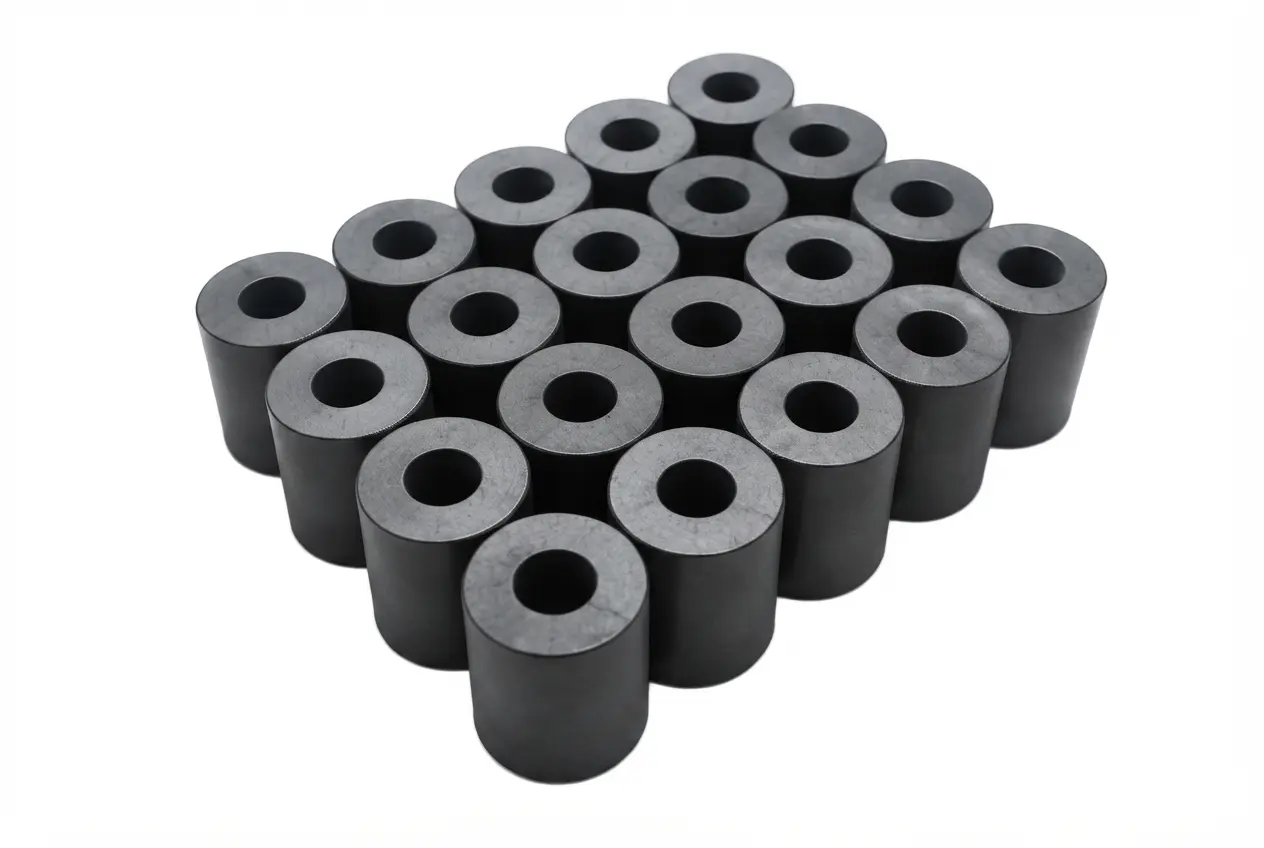
Application:
Motor rotors, Pump motors, Home appliances
Description:
Feature: Application review: permanent magnet motors, pumps, sensors and precise rotary systems.
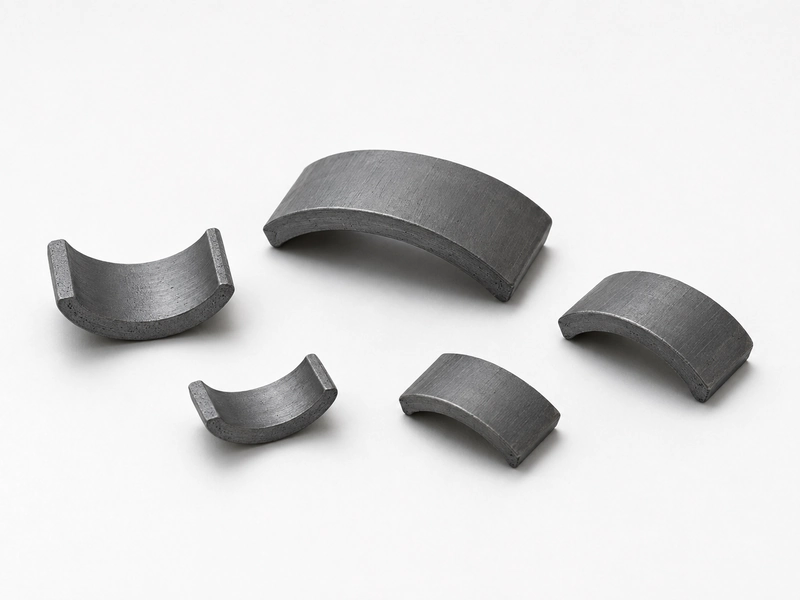
Application:
Permanent magnet motors
Description:
Feature: Optimized arc angles and magnetic orientation for motor efficiency improvement.

Application:
Industrial motors, Magnetic assemblies
Description:
Feature: Suitable for magnetic assemblies, holding devices and industrial motor components.
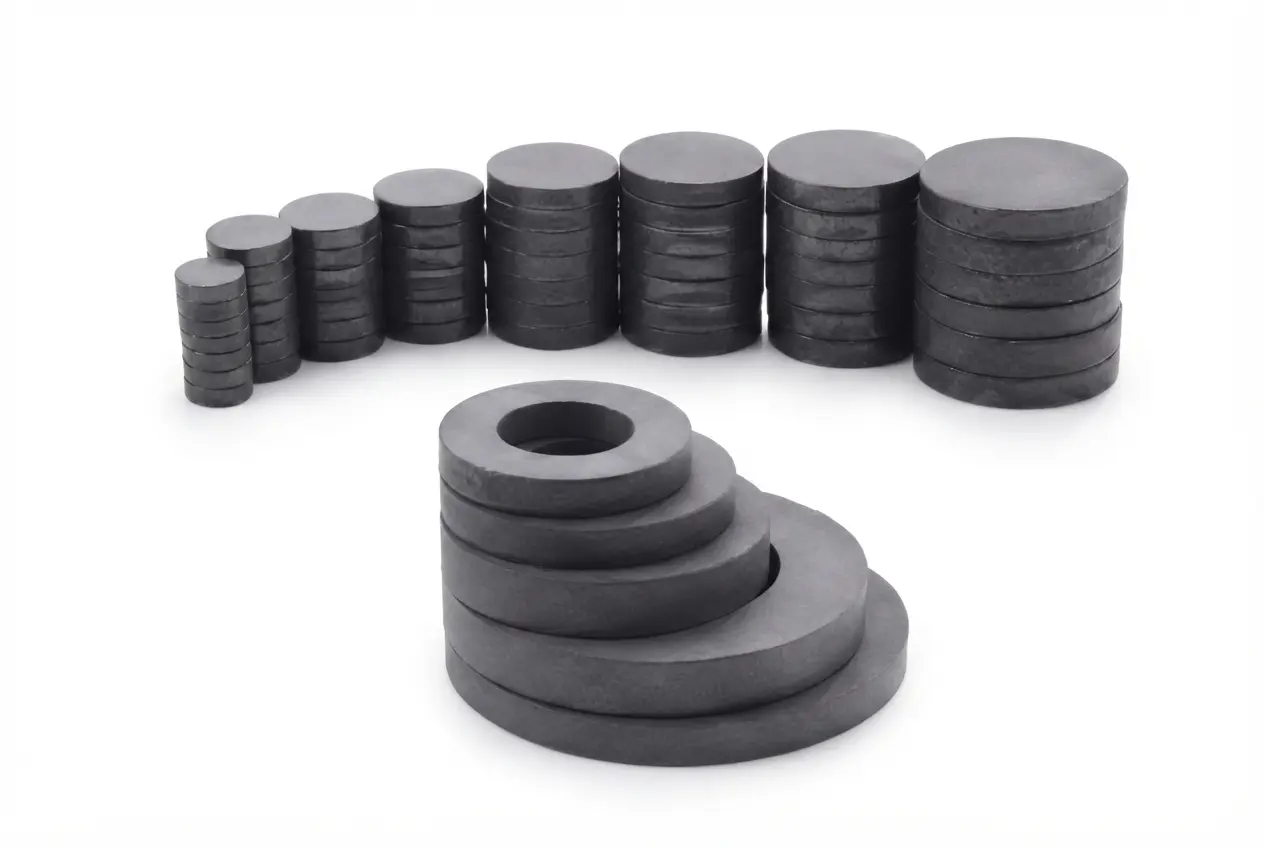
Application:
Sensors, Small motors
Description:
Feature: Ideal for sensor systems, small motor applications and compact magnetic devices.

Application:
Magnetic devices, Motor components
Description:
Feature: Used in magnetic devices, motor components and industrial holding systems.
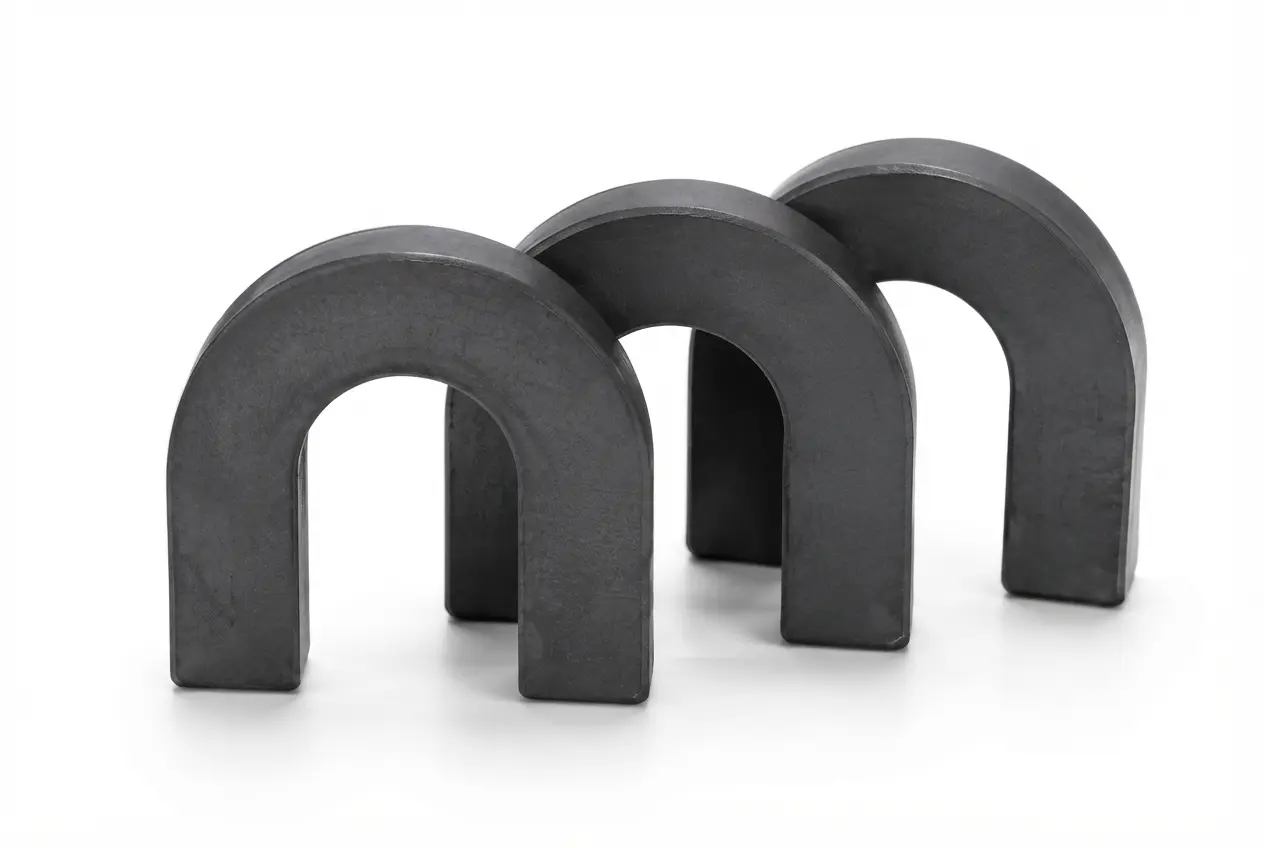
Application:
Special magnetic applications
Description:
Feature: Designed for special magnetic applications requiring concentrated field strength.
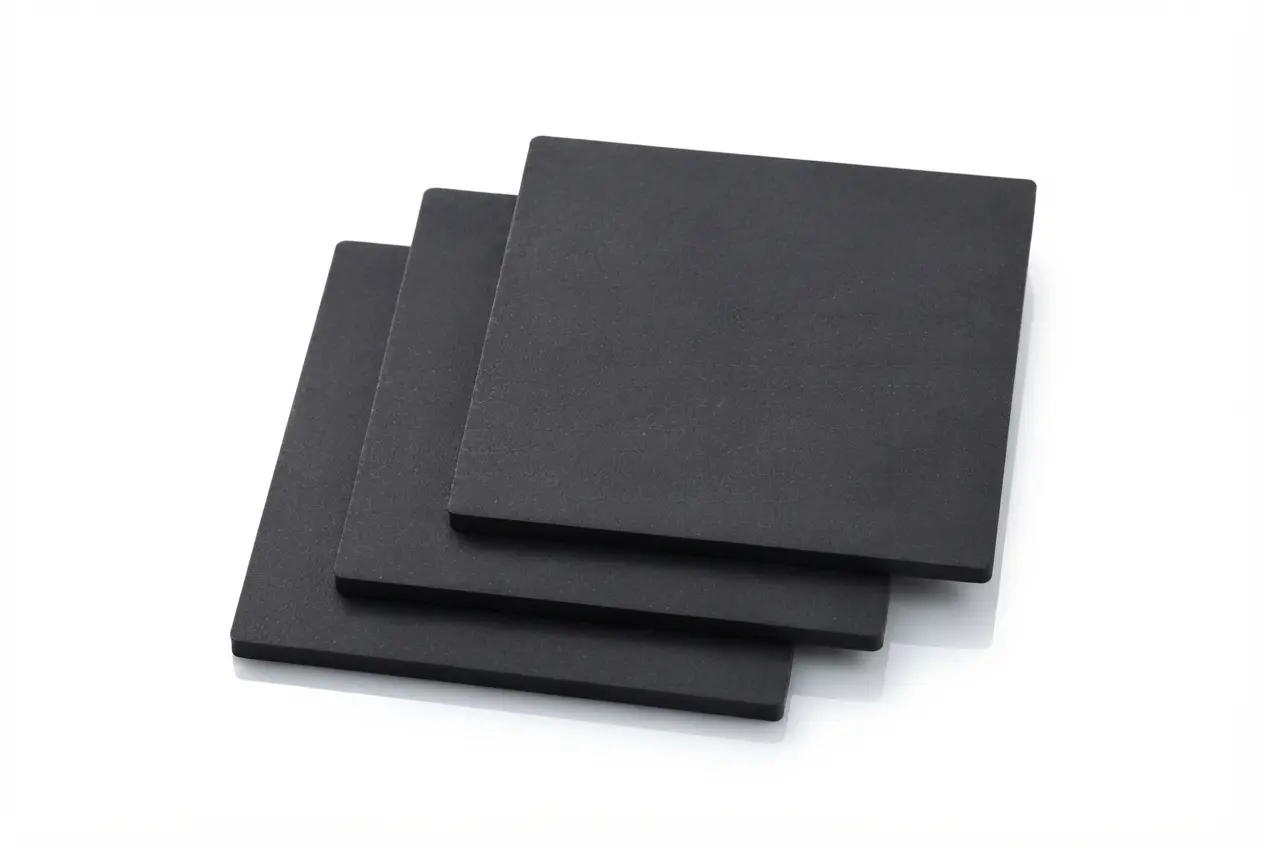
Application:
EMI shielding, Electronic applications
Description:
Feature: Effective EMI shielding solution for electronic devices and communication equipment.
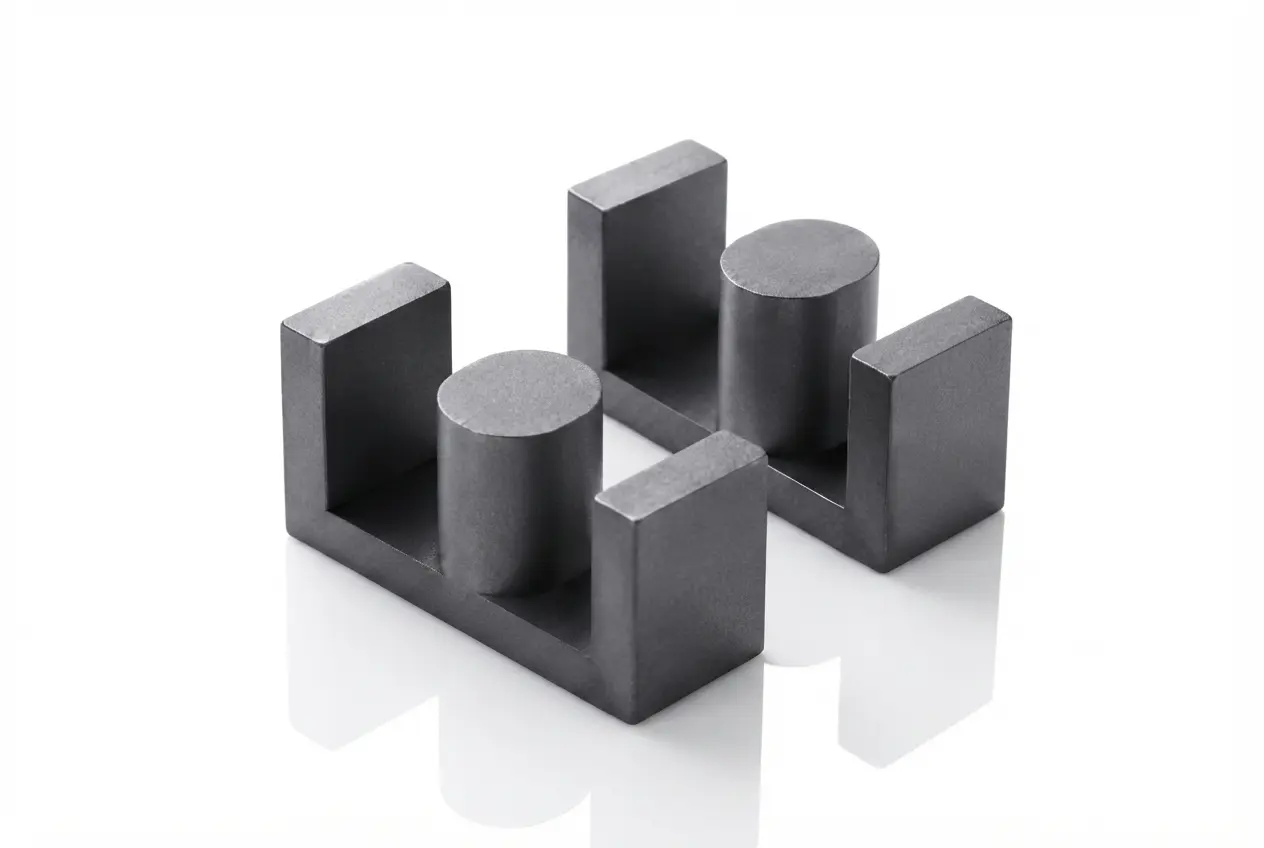
Application:
OEM projects
Description:
Feature: Complete engineering support from drawing review to mass production for OEM projects.
Why choose us for your project 01
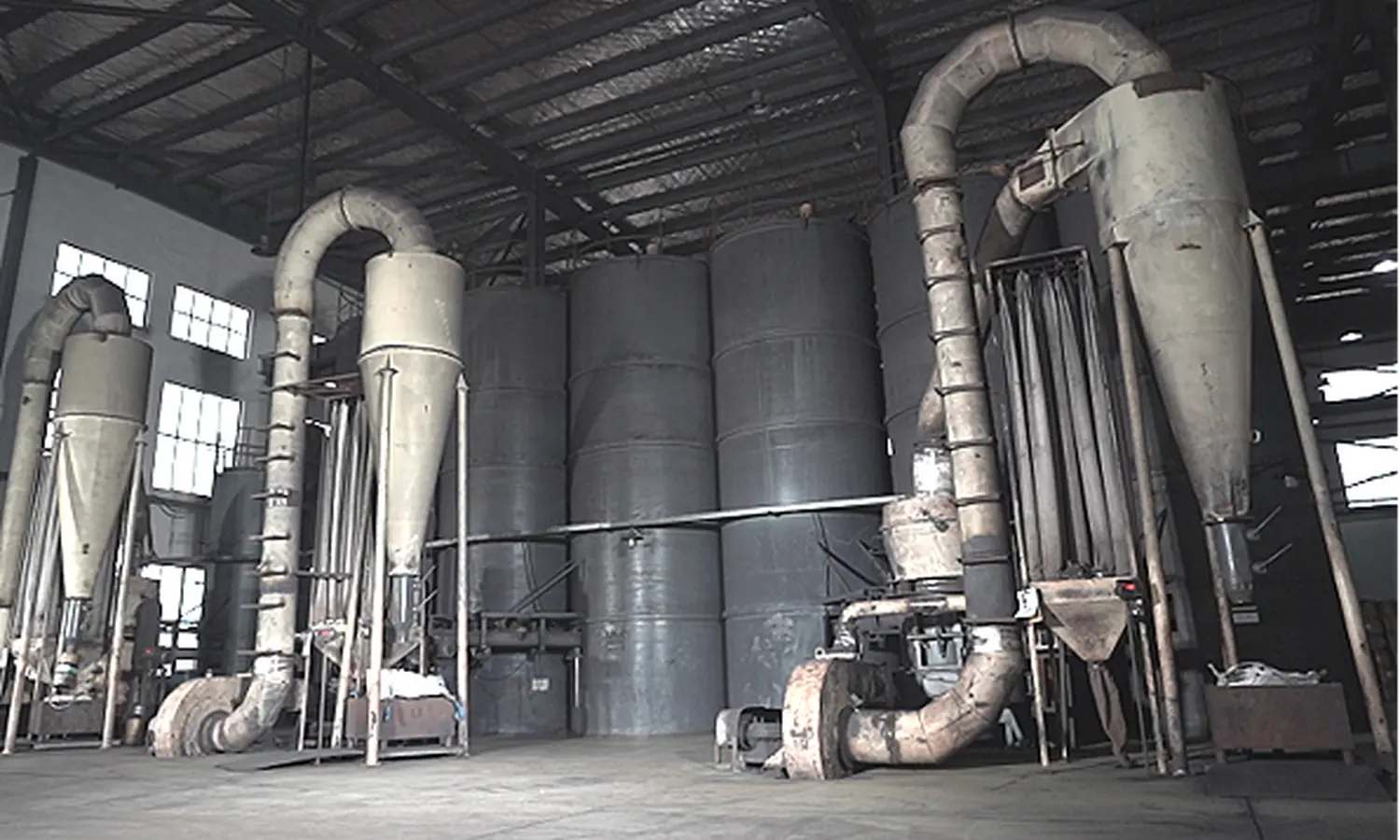
GX controls hard ferrite powder at source with our independent R&D team and rotary‑kiln pre‑sintering. Powder formula, raw‑material ratio and pre‑firing parameters are evaluated together, since these factors directly decide magnet grain structure, magnetic performance and batch‑to‑batch consistency for your assembly.
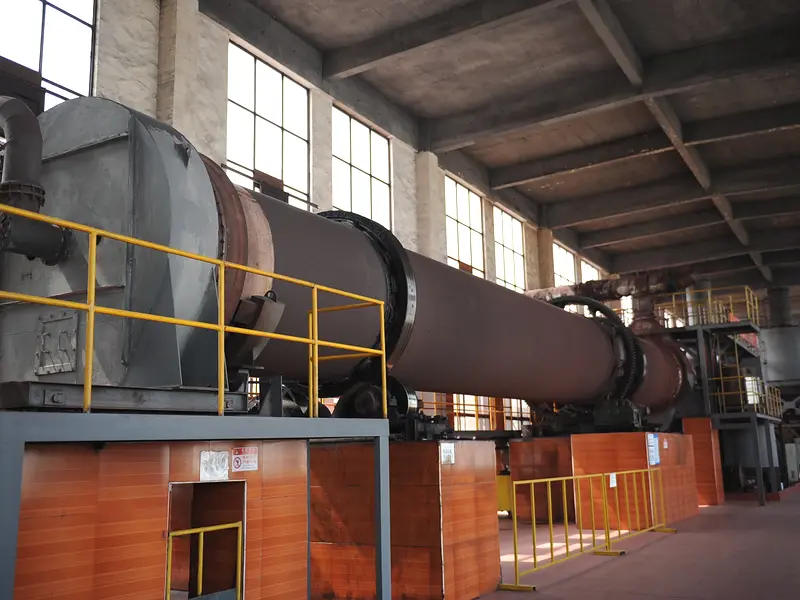
Tune raw‑material proportion and rotary‑kiln temperature profile according to target magnetic property, operating temperature and end‑use application scenarios.
All self‑produced ferrite powder is restricted for internal manufacturing only. Avoid performance fluctuation caused by external raw‑material supply.
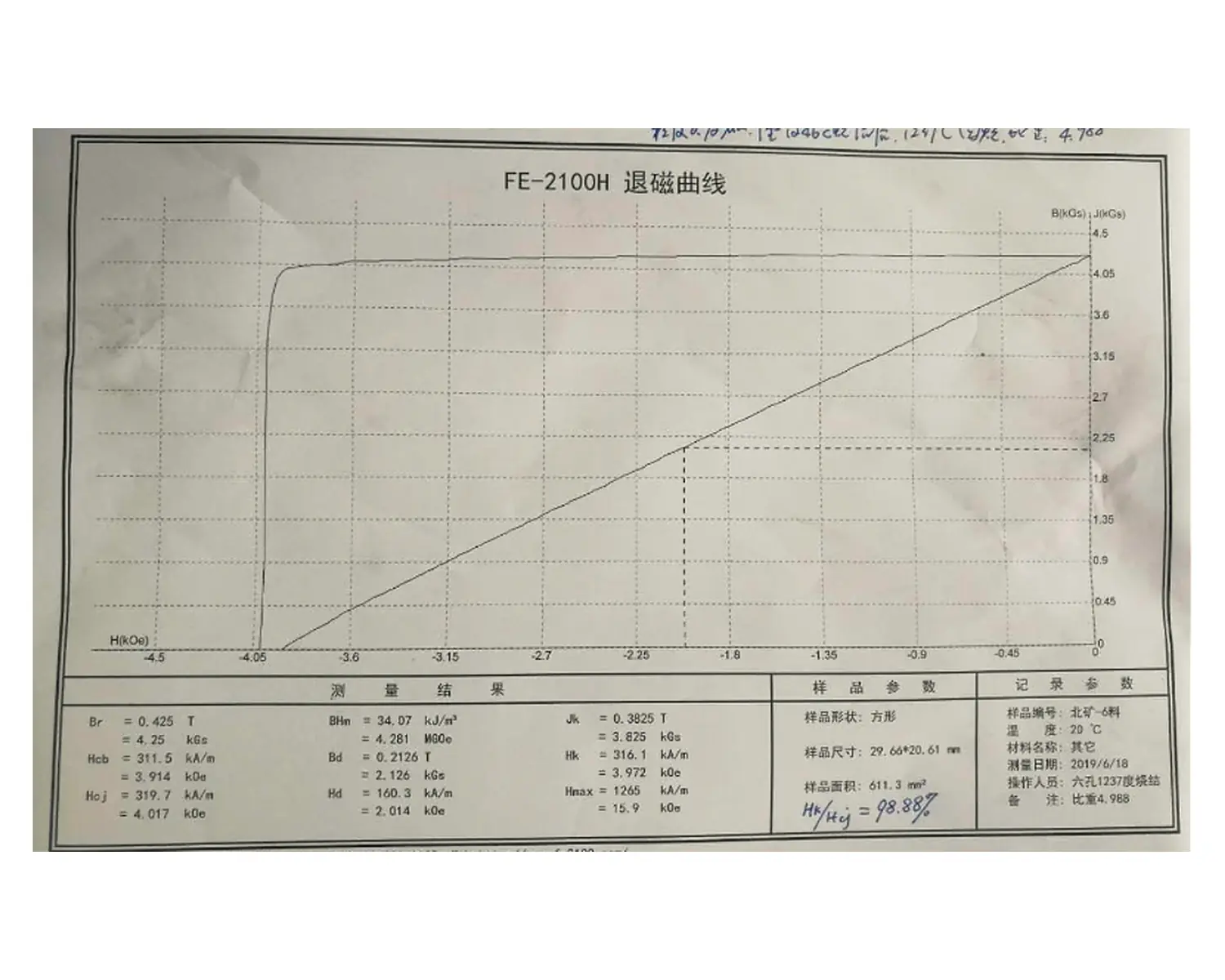
Each powder batch undergoes lab inspection. Powder characteristics serve as baseline to guarantee finished magnet acceptance criteria.
Why choose us for your project 02
GX refines pre‑sintered ferrite coarse powder via Raymond mill and air‑classification, producing narrow‑distribution coarse powder around 2 μm. Particle‑size, ball‑milling parameters and fineness are strictly controlled. These upstream powder features directly affect sintering shrinkage, BH performance and batch consistency of finished multi‑pole ferrite rings.
Raymond mill plus air‑classification replaces traditional continuous ball milling for better coarse‑powder consistency with narrow particle‑size range.
Narrow‑range coarse powder allows 4 mm small steel balls. Larger specific surface raises grinding efficiency, shortens cycle and cuts energy consumption.
Every powder lot gets particle‑size & fineness inspection. Stable powder serves as reliable baseline for later pressing and sintering.
Tight particle‑size control optimizes BH curve, ensuring stable and repeatable magnetic output for mass‑produced ferrite magnets.
Why choose us for your project 03
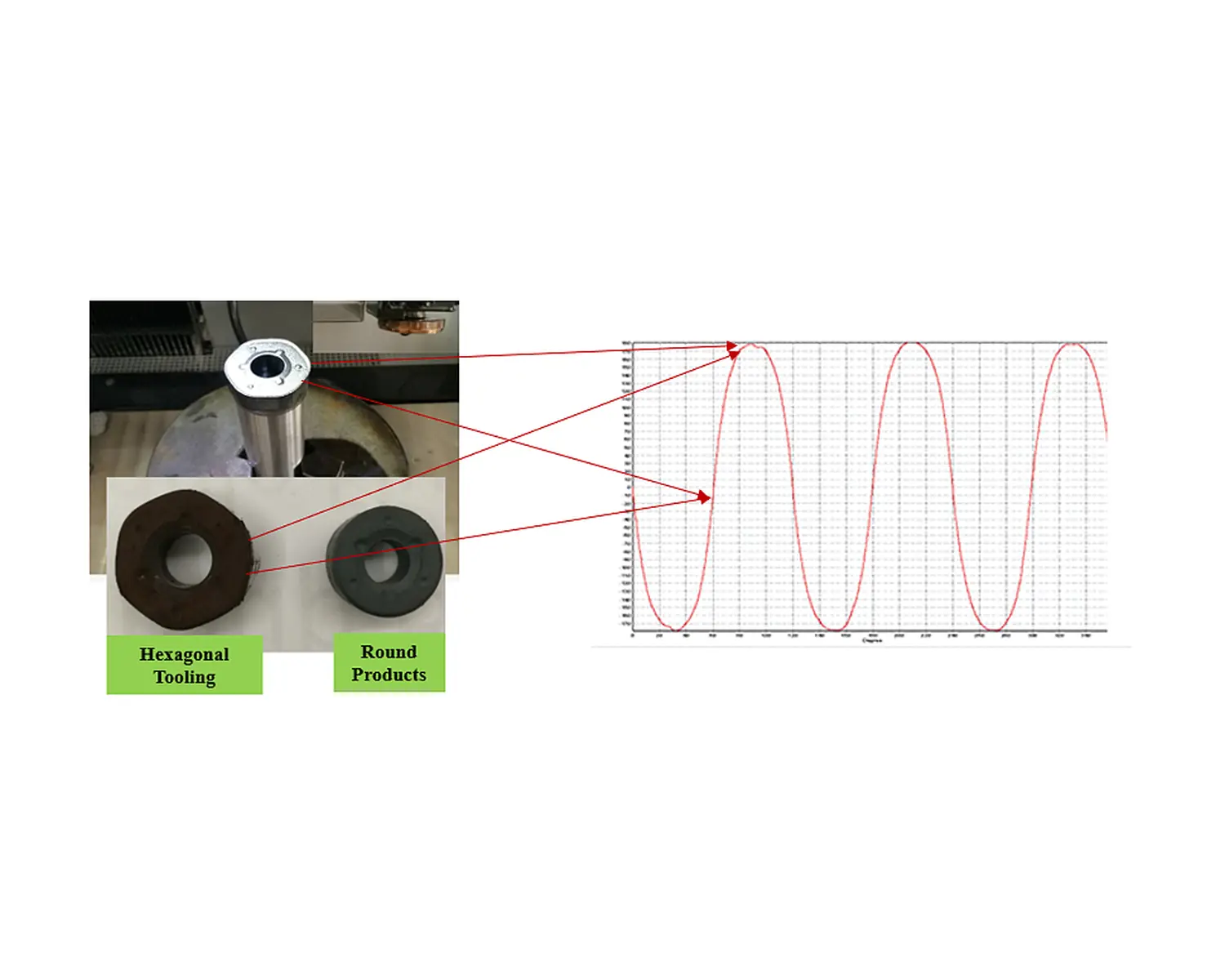
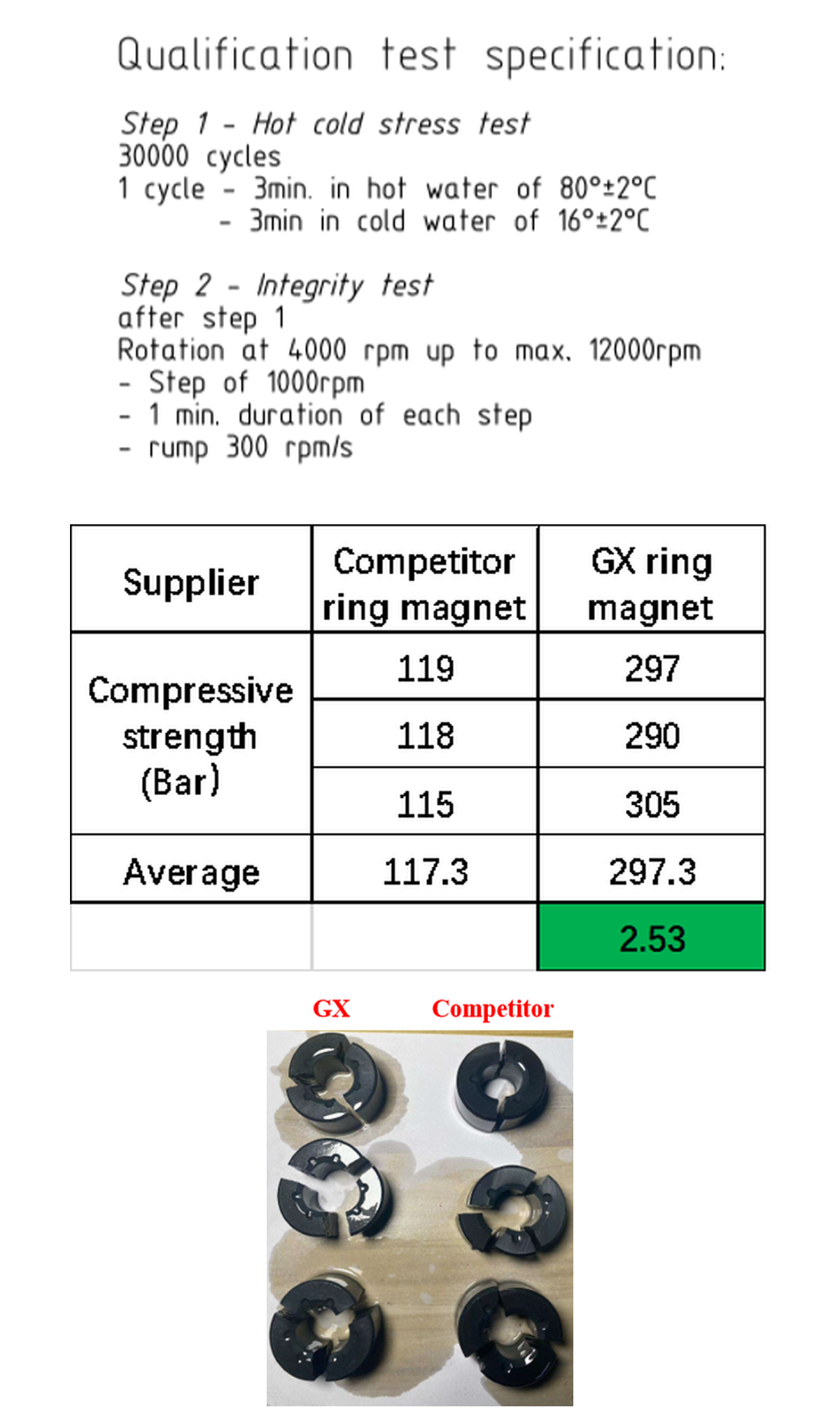
Reliability validation matters only under real‑world dishwasher operating conditions. GX develops dedicated formula & grinding process for dishwasher motor rings, and performs full thermal‑shock, high‑speed rotation and compressive strength tests to verify mechanical and magnetic performance.
Adopt custom ferrite formula, optimized powder preparation and rotary‑table grinding process matched for dishwasher motor application scenarios.
Carry out compressive strength test and high‑speed rotation integrity test, to confirm anti‑crushing capacity and anti‑fragmentation performance under extreme working status.
Context for the next section: Reliability test data serves as pre‑condition for sample approval; formal mass production supply shall be confirmed against released drawing, agreed specification and acceptance plan.
Context for the next section: Reliability test data serves as pre‑condition for sample approval; formal mass production supply shall be confirmed against released drawing, agreed specification and acceptance plan.
Ceramic ferrite is a sintered hard magnetic material used to manufacture permanent magnets. Ferrite powder is prepared, pressed and sintered into the required geometry, then machined and magnetized to meet drawing-defined dimensional and magnetic requirements.
Technical parameters for quotation
The table organizes buyer inputs in engineering order. It does not turn a reference range into a universal guarantee; final values become supply commitments only after confirmation in the released drawing, approved specification, quotation and acceptance plan.
| Parameter group | Project-specific review basis | Confirmation and Release Basis |
|---|---|---|
| Material / route | Sintered strontium ferrite is the primary system; barium ferrite only for legacy or drawing-specific requirements | Approved material grade and isotropic or anisotropic condition; Br, Hcb, Hcj and (BH)max report at 20°C when specified. |
| Geometry and tolerances | Ring, arc, block, disc, cylinder or custom drawing-defined geometry | Released drawing with datums and tolerances for OD, ID, length, thickness, flatness or concentricity as applicable; verified by the first-article dimensional report. |
| Magnetic or functional requirement | Br, Hcb, Hcj and (BH)max material properties; finished-part output depends on shape, orientation and circuit | Finished-part limits for flux, surface field, polarity, pole position or waveform, with the measurement air gap, position, fixture and temperature defined. |
| Mechanical / assembly interface | Isotropic or anisotropic orientation plus axial, radial or drawing-defined magnetization | Approved locating and mating dimensions, adhesive or press-fit interface and retention requirement; assembly or retention testing when specified. |
| Operating environment | Temperature, external field, air gap, moisture, medium and mechanical retention | Agreed operating-temperature and exposure limits; thermal-cycle, moisture, medium or corrosion testing with defined duration and pass criteria. |
| Inspection and acceptance | Material test, dimensional inspection and a defined finished-part magnetic method | Control plan defines the measurement method, gauge or fixture, sample size, inspection frequency and lot-release record. |
| Supply boundary | Ferrite magnet or explicitly quoted magnetic component | Quotation and drawing identify the supplied magnet and the included grinding, magnetization, inspection, packaging and documentation scope. |
| GX grade | Br (Gs) | Hcb (Oe) | Hcj (Oe) | (BH)max (MGOe) |
|---|---|---|---|---|
| FSB | 4,200 ± 100 | 3,300 ± 150 | 3,350 ± 200 | 4.0 ± 0.2 |
| FB6N | 4,300 ± 100 | 3,300 ± 150 | 3,350 ± 200 | 4.4 ± 0.2 |
| FB7N | 4,400 ± 100 | 3,300 ± 150 | 3,350 ± 200 | 4.6 ± 0.2 |
| FB9N | 4,600 ± 100 | 3,500 ± 200 | 3,600 ± 200 | 5.1 ± 0.2 |
| FB12B | 4,650 ± 100 | 4,300 ± 200 | 4,850 ± 200 | 5.2 ± 0.2 |
| FB13B | 4,750 ± 100 | 4,300 ± 200 | 4,850 ± 200 | 5.3 ± 0.2 |
These values describe the material grade. Finished-part output depends on geometry, orientation, magnetization, temperature, magnetic circuit and measurement conditions.
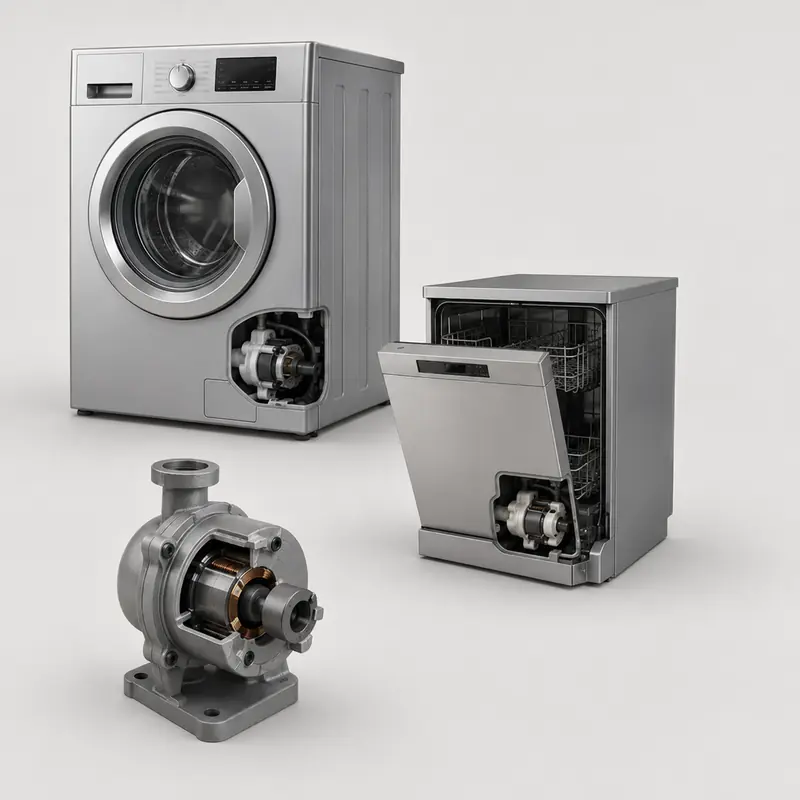
For pump, fan and appliance motors, define the ring or arc geometry, rotor-bore or stator interface, pole count and working air gap. Sample approval verifies critical dimensions, polarity, flux or waveform. Moisture exposure and hot/cold cycling are included when required by the appliance program.


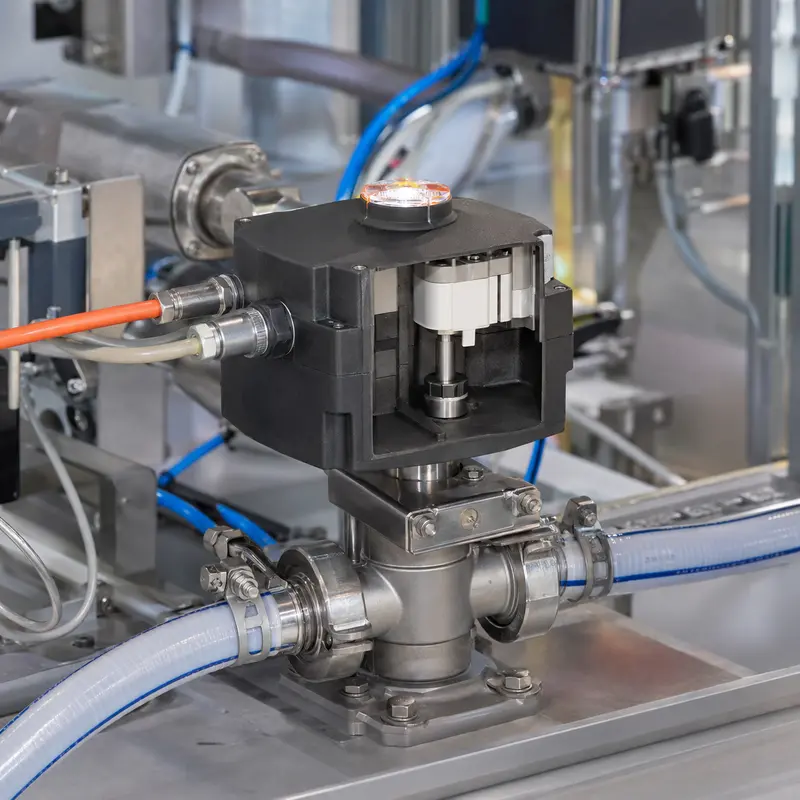
Define the magnet geometry, pole-face interface, mating steel, working air gap, magnetization direction and target pull force or field. Validation uses an agreed fixture, measurement position and temperature to confirm dimensional fit and finished-component magnetic response.
From initial engineering review to mass production, we provide complete custom ferrite magnet development support for OEM projects.
Analyzing drawings, magnetic requirements, and application environment.
Selecting the optimal ferrite grade (FB6, FB9, FB12) based on performance requirements.
In-house mold design and fabrication for powder pressing.
Sintering, grinding, and magnetization of initial prototypes.
Validating flux density, pole distribution, and dimensional tolerances.
Automated production with IATF16949 quality control and stable supply capacity.
Engineering and sourcing FAQ
Practical answers for ceramic ferrite magnet sourcing, covering material selection, drawing inputs, magnetic targets, dimensional tolerances, sample validation and recurring-production controls.
The main differences are the material route, achievable geometry, magnetic output and assembly method. Compare them in the actual magnetic circuit and operating condition; the product name alone is not enough to select the part.
Start with strontium-ferrite grade plus isotropic or anisotropic orientation. Then check the required magnetic output, geometry, temperature and commercial volume before fixing a grade in the drawing.
Control the dimensions that set fit, air gap or working position. For this product, review shape, dimensions, tolerance class, magnetization direction and magnetic target; avoid applying a tight general tolerance to non-functional surfaces without a measurement reason.
Specify the magnetization axis or pole pattern, pole count where applicable, and the acceptance method. A field value must also state the measurement location, fixture or air gap so supplier and buyer evaluate the same condition.
Temperature capability depends on material grade, geometry, magnetizing state and the magnetic circuit. Provide temperature, air gap, external field and exposure environment; GX can then review demagnetization risk and whether the proposed material route fits the duty.
Use an agreed method tied to the application: material-property testing, surface field at a defined position, flux, pull force, pole pattern or waveform. The released drawing and acceptance plan should state the instrument, fixture and limits.
Send the drawing or 3D model, material or magnetic target, shape, dimensions, tolerance class, magnetization direction and magnetic target, temperature, air gap, external field and exposure environment, expected quantity and acceptance method. State whether tooling, inserts, assembly or magnetization is included in the requested supply scope.
Agree the drawing revision, tooling state, critical dimensions and magnetic test method before sample release. Approval should identify the sample record and any deviations; recurring orders then follow the released specification, quotation and control plan.
Provide your engineering requirements below. Our technical sales team will review your application and we normally reply within 24 hours.